

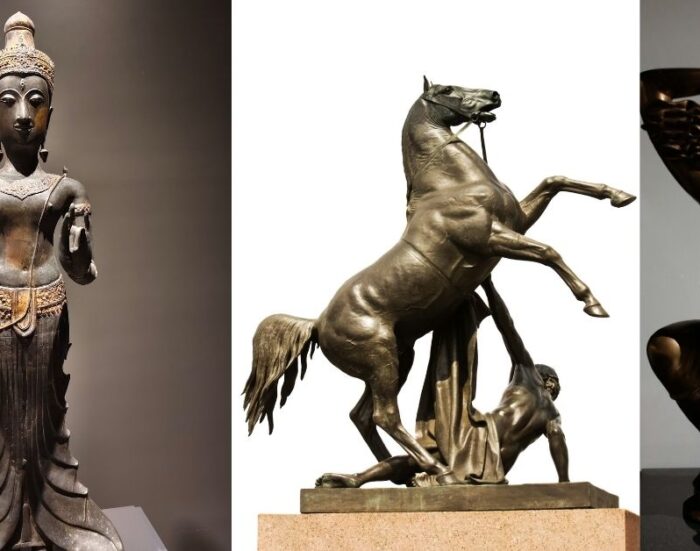
Antique Bronze Sculptures: History, Patina, Value & Interesting Facts
Find the history of antique bronze sculptures, how they are made, how patina develops, what influences their value, and how to care for these historic works of art. Antique bronze sculptures have been admired for centuries for their beauty, durability, craftsmanship, and ability to capture fine detail. From ancient statues and religious figures to decorative objects and monuments, bronze has played an important role in artistic traditions around the world.
Many antique bronze objects also tell stories about the people, cultures, beliefs, and artistic styles of their time. Their surfaces, casting techniques, designs, and provenance can provide valuable clues about when, where, and how they were created.
Whether you are an art collector, have inherited a bronze sculpture, or simply want to learn more about these fascinating works of art, understanding their history and distinctive characteristics can help you appreciate them more fully.
In this guide, we explore the history of bronze sculpture, how bronze sculptures are made, interesting facts about bronze, the importance of patina, factors that may influence value, and proper care for antique bronze sculptures.
What Are Antique Bronze Sculptures?
An antique bronze sculpture is an older work of art made primarily from bronze. Bronze is an alloy traditionally composed mainly of copper and tin, although its exact composition can vary.
Bronze is durable and particularly well suited to casting intricate forms and fine details. These qualities have made it an important material for artists and craftspeople for thousands of years.
Bronze has been used to create many types of objects, including:
- Human figures and portraits
- Animals
- Religious and mythological figures
- Decorative objects
- Figurines
- Busts
- Monuments
- Large outdoor statues
The age, artist, craftsmanship, style, condition, rarity, provenance, and history of a bronze sculpture can all contribute to its importance and potential value.
History of Bronze Sculpture
The history of bronze sculpture stretches back thousands of years. Ancient civilizations used bronze to create sculptures, ceremonial objects, tools, weapons, vessels, and decorative items.
Early craftspeople discovered that bronze could be melted and poured into molds, allowing them to create complex forms and details that could be difficult to achieve with some other materials.
As casting techniques developed, bronze became one of the most important materials in sculpture.
Bronze in Ancient Greece and Rome
Bronze sculpture played an important role in the art of Ancient Greece and Rome.
Greek artists produced bronze statues depicting gods, athletes, warriors, political figures, and scenes from mythology. Bronze allowed artists to create dynamic poses and detailed representations of the human body.
Roman artists continued and expanded the tradition, producing portraits, monuments, religious figures, and interpretations of earlier Greek works.
Not all ancient bronze sculptures survived. Because bronze was valuable and could be melted down and reused, many ancient works were eventually recast into weapons, coins, tools, or other objects.
As a result, some famous ancient bronze sculptures are known today primarily through later copies, historical descriptions, or other surviving records.
Bronze Traditions in Asia
Bronze also played an important role in Asian art.
China has a particularly long and influential history of bronze casting. Ancient Chinese bronze objects were created for ceremonial, religious, royal, and practical purposes, with many examples featuring highly detailed decoration and inscriptions.
India also developed an important tradition of bronze sculpture, particularly for religious figures associated with Hindu, Buddhist, and Jain traditions.
In Japan, bronze was used for Buddhist figures, temple objects, decorative works, and other forms of sculpture.
The durability of bronze and its ability to hold fine details made it especially suitable for religious and ceremonial artwork.
Bronze Sculpture from the Renaissance to the Modern Era
Bronze remained an important artistic material throughout the Renaissance and later European periods.
Artists used bronze to create statues, busts, small decorative figures, equestrian monuments, fountains, memorials, and other works of art.
Bronze continues to be widely used today by artists working in both traditional and contemporary styles.
How Are Bronze Sculptures Made?
Bronze sculptures can be produced using several casting techniques. One of the best-known traditional methods is lost-wax casting.
In a simplified version of the process, an artist first creates a model of the sculpture. A mold is then produced from the model, and a wax version may be created as part of the casting process.
The wax form is surrounded by a heat-resistant material. When heated, the wax melts away, leaving a cavity into which molten bronze can be poured.
After the bronze cools and hardens, the surrounding mold material is removed.
The artist or foundry can then refine the surface, correct small imperfections, finish details, and apply the desired surface treatment or patina.
Depending on the size, design, period, and casting technique, bronze sculptures may be cast as solid or hollow objects. Large sculptures are often produced in separate sections that are later joined together.
The versatility of bronze casting allows artists to create everything from small decorative figurines to monumental outdoor sculptures.
Interesting Facts About Bronze Sculptures
Bronze has several distinctive qualities that have made it an important sculptural material for thousands of years.
Bronze Is Strong and Durable
One of the major reasons bronze became popular for sculpture is its durability.
When properly cared for and preserved, bronze sculptures can survive for centuries and even thousands of years.
This durability is one reason so many historic bronze objects remain important to museums, collectors, scholars, and art enthusiasts today.
Bronze Can Capture Fine Details
Bronze casting can reproduce intricate details in faces, clothing, hair, textures, animals, decorative patterns, and other elements of a sculpture.
This gives artists considerable freedom to create highly detailed and expressive works.
Bronze Can Be Used Outdoors
Bronze has frequently been used for outdoor statues, memorials, fountains, and monuments.
Although exposure to air, moisture, pollution, and changing weather conditions can alter its surface over time, properly maintained bronze can remain durable in outdoor environments.
Many Ancient Bronzes Were Melted Down
Not all bronze sculptures from antiquity survived. Because bronze could be melted and reused, sculptures were sometimes recast into new artworks, weapons, coins, tools, and other useful objects.
This makes surviving ancient bronzes especially important for understanding the artistic techniques and cultures of earlier civilizations.
What Is Patina on a Bronze Sculpture?
Patina is the color and surface appearance that can develop on bronze over time or be intentionally created by an artist or foundry. Natural patina develops as the metal reacts with air, moisture, and other environmental elements.
Depending on the composition of the bronze and the conditions to which it has been exposed, a patina may appear:
- Brown
- Dark brown
- Black
- Green
- Blue-green
- Reddish brown
- A combination of different tones
Why Does Bronze Develop Patina?
Bronze gradually changes at the surface when exposed to its surrounding environment.
Outdoor sculptures may develop visible surface changes because they are continually exposed to air, rain, humidity, pollutants, and temperature variations.
However, not every patina develops naturally with age.
Artists and foundries can also use chemical treatments and controlled processes to produce specific colors and finishes on bronze sculptures.
For that reason, patina alone should not be used to determine the age or authenticity of a bronze sculpture.
Is Patina Important?
Patina can be an important part of a bronze sculpture’s appearance and character.
On antique examples, an older surface may provide information about the object’s history, treatment, and condition. Collectors can sometimes value an original or historically significant surface.
However, the importance of a patina depends on the individual sculpture.
Aggressive polishing, cleaning, or refinishing can alter an antique bronze sculpture’s surface and potentially remove historically important characteristics.
If you are unsure about the surface of an antique bronze, it is generally best to seek professional advice before attempting extensive cleaning or restoration.
What Makes an Antique Bronze Sculpture Valuable?
There is no single factor that determines the value of an antique bronze sculpture.
Several characteristics may influence its desirability and market value, including age, artist, condition, craftsmanship, provenance, rarity, and current collector demand.
If you are looking into a bronze sculpture you own, be aware that asking prices on the web don’t necessarily represent the value of the object in the marketplace. Read our guide on how to research the value of antiques online explains why professional appraisal and comparable market information can give a more reliable picture of value.
Age and History
Age can contribute to the historical interest of a sculpture, particularly when its period and origin can be established.
However, age alone does not determine value. The quality, rarity, artist, provenance, subject matter, condition, and market demand may be equally or more important.
Artist, Period, and Style
The artist or workshop associated with a bronze can have a significant impact on collector interest.
Sculptures connected to recognized artists, important artistic periods, influential schools, or desirable styles may attract greater attention.
Signatures, foundry marks, inscriptions, and other identifying features can sometimes help with attribution, although they should always be evaluated carefully.
Condition
Condition is an important consideration when evaluating antique bronze sculptures.
Factors that may affect condition include:
- Cracks or structural damage
- Missing parts
- Previous repairs
- Alterations
- Surface wear
- Corrosion
- Damaged bases
- Excessive polishing or cleaning
A sculpture’s original surface and evidence of appropriate aging may also be important when assessing its condition.
Craftsmanship
The quality of the casting and finishing can significantly influence a sculpture’s appeal. Collectors often pay close attention to details such as facial features, textures, anatomy, drapery, surface finishing, and the overall quality of the casting.
Fine craftsmanship can help distinguish a carefully executed bronze from a lower-quality reproduction.
Provenance
Provenance refers to the documented history of ownership of an artwork or antique. Reliable provenance can help establish where an object came from and may provide important information about its history.
Useful provenance records can include:
- Previous sales records
- Auction catalogues
- Purchase receipts
- Old photographs
- Exhibition records
- Collection labels
- Estate inventories
- Letters or other historical documents
Strong provenance can increase confidence in an object’s history and may contribute to its desirability.
Rarity and Market Demand
Rarity can also influence value. A rare model, limited casting, unusual subject, desirable artist, or historically important example may receive more attention from collectors.
At the same time, market demand changes. A sculpture’s potential value depends not only on its characteristics but also on current collector interest and comparable sales.
Owners who are considering selling a piece can learn more about valuation, potential buyers, and different sales options in our guide to where to sell bronze statues and find antique bronze sculpture buyers.
How to Care for Antique Bronze Sculptures
Proper care can help preserve an antique bronze sculpture and its surface.
For indoor pieces, avoid excessive moisture and harsh cleaning products. Dust can generally be removed carefully using a soft, dry cloth or suitable soft brush.
Avoid aggressively polishing, scrubbing, or applying household metal cleaners to an antique bronze unless you fully understand its surface and finish.
The patina may be an intentional, original, or historically important part of the artwork.
Over-cleaning can permanently change the appearance of the bronze and may reduce some of its historical character.
For an important, fragile, or potentially valuable sculpture, consider consulting a qualified professional conservator before carrying out major cleaning, polishing, repair, or restoration.
If you plan to sell the sculpture, do not make significant changes just to improve its appearance. Collectors sometimes look for condition and original surfaces. If you are thinking about restoration, a professional evaluation can help you make a more informed decision.
Final Thoughts on Antique Bronze Sculptures
Antique bronze sculptures are more than decorative objects. They can reflect the artistic skills, technologies, beliefs, tastes, and cultures of earlier periods.
From ancient ceremonial figures to European decorative bronzes and monumental sculpture, these works demonstrate why bronze has remained such an important artistic material for thousands of years.
Understanding a bronze sculpture’s history, casting technique, patina, condition, craftsmanship, and provenance can help collectors and art enthusiasts appreciate both its artistic importance and its potential value.
If you own or have inherited a bronze sculpture, researching its marks, history, condition, and provenance is a useful starting point. Before selling a potentially important piece, you may also want to read our expert advice on how to sell antiques to understand the importance of valuation and choosing an appropriate buyer or sales method.
Have an Antique Bronze Sculpture?
If you own or have inherited an antique bronze sculpture and would like to learn more about its age, artist, history, or potential value, Antique Appraisers Auctioneers can help.
Our team can assist in evaluating antique and fine art objects and help you better understand whether your bronze sculpture may be suitable for appraisal, sale, or auction.
If you are specifically looking to sell, you can also learn more about our antique bronze sculpture buyers and the types of bronze objects we evaluate.
Which Antique And Vintage Collections Are Trending In 2026?
The appeal of antique objects remains strong in the modern era, with a growing demand among collectors and enthusiasts. Whether through prestigious auction houses or direct transactions with passionate collectors, there is a continuous eagerness for these timeless treasures to come to light. The trade of ancient and vintage items is marked by a remarkable level of interest, with certain pieces commanding record-breaking prices. For instance, a rare Victorian necklace recently sold for a staggering sum, while a vintage Rolex watch from the 1960s was auctioned off significantly.
Let’s explore the top six most sought-after antique trades of 2026 and delve into the precious and rare ancient items currently captivating the market.
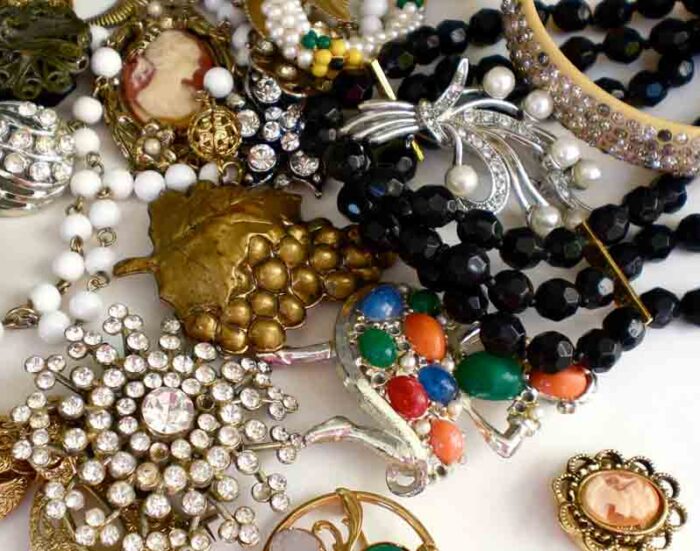
#1 Victorian Jewelry
The exquisite craftsmanship and historical significance of jewelry from the Victorian era (1837-1901) continue to hold collectors in thrall. Queen Victoria’s influential sense of fashion birthed various jewelry styles and designs, many revered for their intrinsic beauty. These exquisite jewels, crafted from rare 18-22K silver and gold metals, are not just admired for their scarcity but also for their exceptional artistry, adding a touch of prestige to any collection.
#2 Rolex Vintage Watches
The enduring appeal of vintage Rolex watches, renowned for their exceptional design and style, remains a dominant trend in antique acquisitions. Whether you’re looking to part ways with a cherished vintage Rolex timepiece or seeking to acquire one, the demand for these iconic watches from 40-50 years ago shows no sign of waning. Even watches with minor imperfections can command exceptional value on the market.
#3 Ancient Paintings
The enduring allure of masterpieces created by ancient artists, including renowned figures such as Pablo Picasso, Leonardo Da Vinci, and Rembrandt, continues to drive genuine interest among collectors. These timeless works of art, including those by notable Scottish artists, are still in high demand and fetch substantial prices at auctions.
#4 Military Memorabilia
Antique and vintage wartime collectibles, particularly Japanese swords, are prominent in collectibles. Items associated with World Wars, when in exceptional condition and possessing rich historical provenance, can command significant value in the market. These military artifacts’ craftsmanship, history, and condition influence their desirability and value.
#5 Antique Furnishings
The enduring appeal of well-preserved ancient furniture, such as tables and chairs, continues to command escalating prices in the market. Collectors and enthusiasts alike are drawn to the timeless charm of Louis XV-style furniture, making it a lucrative investment for those buying and selling antique furnishings.
#6 Chinese Silverware
The allure of 19th-century Chinese silver items continues to captivate collectors, with their market value poised for continued growth. If you possess a substantial collection of Chinese silverware, now is the perfect time to capitalize on the escalating demand and secure a handsome profit. Don’t let your treasures gather dust; let them bring you a rewarding return on your investment.
In Conclusion
Should you consider selling your cherished antiques, entrust us with your treasures. With our seasoned expertise in dealing with ancient and vintage collectibles, we are committed to offering you the best possible deal while ensuring the utmost care and professionalism in handling your items. We also invite you to explore our other blog posts to gain further insights and knowledge about the captivating world of antiques.
For more details, visit our website: https://antiqueappraisersauctioneers.com/
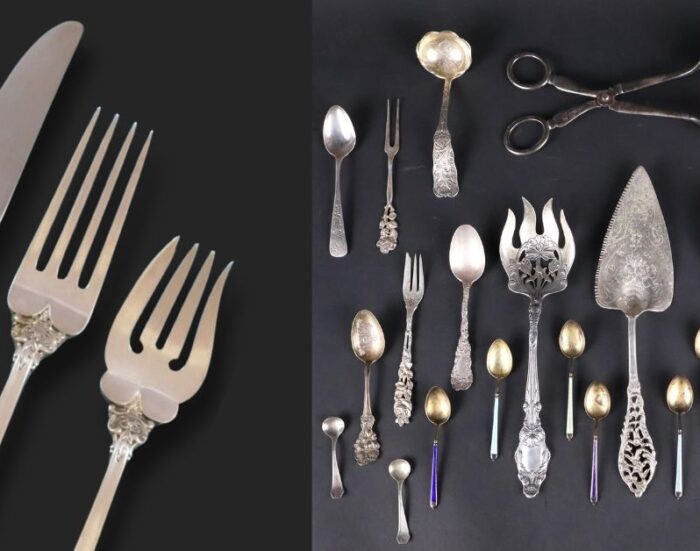
The Story in the Stamp: How to Identify and Value Reed and Barton Silverware
Open an old flatware chest, and you may find more than knives, forks, and spoons. You may be looking at wedding gifts, holiday traditions, and family history. Reed and Barton silverware often carries that emotional weight. It can also have real market value, but determining what you own takes more than spotting a familiar name on the back of a handle.
The material, pattern, age, condition, and completeness of a set all matter. Fortunately, the small marks stamped on each piece give you a sensible place to begin.
An American Silver Name With a Long History
The business that became Reed & Barton began in Taunton, Massachusetts, in 1824. Its earliest products included pewter and Britannia ware before the company expanded into silver-plated goods and, later, sterling silver. Over time, it produced flatware, tea and coffee services, trays, trophies, decorative objects, and elaborate presentation pieces.
The company’s history also reflects changing American tastes. Highly decorated traditional patterns eventually shared the catalog with cleaner, more modern designs, while formal silver services became popular wedding and household gifts. The original Taunton operation closed in 2015, but Reed & Barton continues as a tableware and giftware brand under Lenox.
Sterling or Silver Plate? Begin With the Metal
When examining Reed and Barton silverware, first determine whether the piece is sterling silver or silver plate. The two may look almost identical in a photograph, yet their composition and potential value are very different.
Reed and Barton sterling silver is generally identified by the word “STERLING” or another recognized silver-quality mark. Sterling is an alloy containing 92.5 percent silver, with other metals added to improve strength and durability. On knives and some serving utensils, the handle may be sterling while the blade or working end is steel, so the total weight does not necessarily represent its silver content.
Reed and Barton silver plate: Reed and Barton silver plate consists of a base-metal object covered with a thin layer of silver. A plated piece may carry the company name, a trademark, and a pattern or model number, but it should not be stamped “STERLING.” The absence of a sterling-quality mark is an important clue, although unclear or unusual pieces deserve professional examination before a final decision on Hallmarks.
The phrase Reed and Barton hallmarks is widely used by collectors, although American silver usually carries maker’s marks and quality stamps rather than the formal assay hallmarks found on British silver.
Begin by inspecting the back of each flatware handle. On bowls, trays, teapots, candlesticks, trophies, and serving pieces, look carefully at the underside or base. Large objects may have several stamps grouped together, while a small spoon may have only a maker’s name and metal mark.
Known Reed and Barton silver marks include the company name and a pictorial trademark featuring an eagle, the letter “R,” and a lion. Because the marks changed during the company’s long history, consider the lettering style, symbols, quality stamps, and nearby numbers as a complete group.
How to Read Reed and Barton Silver Marks Correctly
Do not assume every number is a date. A number may refer to a pattern, model, size, or factory reference. Correct identification often requires comparing both marks and physical design with reliable catalog information. Bowls on hollowware from 1928 through 1957. When one of these symbols is clear and correctly matched to a dependable reference chart, it may reveal the year in which a piece was produced. These date symbols should not be confused with decoration, scratched owner’s marks, inventory numbers, or later retailer engravings.
Use bright, indirect light when examining a stamp. Tilt the object slowly and photograph the mark from several angles. A phone’s macro setting often reveals worn lines hard to see with the naked eye. Avoid deciding from one blurred character; the complete group of Reed and Barton silver marks is more useful than a single letter or number.
Patterns Can Be as Important as the Mark
Collectors do not value every pattern equally. Some designs remained in production for decades and are still easy to find. Others were made for shorter periods or attract a smaller but highly enthusiastic group of buyers.
Francis I is one of the best-known Reed & Barton patterns, admired for its rich, sculptural decoration. Pointed Antique became part of the company’s offerings after Reed & Barton acquired Dominick & Haff in 1928. At the other end of the design spectrum, the streamlined Diamond pattern was developed through work involving Italian architect Gio Ponti and Reed & Barton designers. It debuted in 1958.
A complete service in a desirable pattern may attract more interest than a mixed group of unrelated pieces. Unusual serving utensils, large hollowware, and rare pattern pieces can also be significant.
Identify the pattern from the silver itself rather than relying on its storage chest. Families sometimes moved flatware into replacement boxes, combined sets, or added new pieces over the years.
What Determines the Value of Reed and Barton Silverware?
Metal content is only one part of valuation. Reed and Barton sterling silver has intrinsic precious-metal value, but an attractive, scarce, or historically interesting piece may be worth more as an antique than as scrap.
The value of Reed and Barton silver plate depends more on design, condition, rarity, usefulness, and collector demand because most of the object is base metal.
A well-preserved plated tea service may still be appealing, but its value should not be calculated as if it were solid silver.
Condition deserves close attention. Fine surface scratches are normal on tableware that was used and enjoyed. Deep dents, splits, bent tines, loose handles, worn plating, obvious repairs, and missing components can reduce buyer interest.
A monogram does not automatically make a piece undesirable. Tasteful period engraving may add character, though highly personal initials or modern inscriptions can narrow the number of interested buyers.
Completeness also matters. Count place settings and serving pieces separately, and check whether knives, forks, and spoons match in pattern, length, and mark. A large group should not be called a complete set until every piece has been examined.e Careful Before Cleaning or Selling.
It is tempting to polish dark silver immediately, especially when preparing it for photographs. However, heavy polishing, abrasive compounds, and aggressive chemical dips can soften engraved detail or wear through the silver layer on plated objects. Conservation guidance warns that tarnish removal can be especially damaging to silver-plated and highly decorated pieces.
If cleaning is necessary, use mild soap with warm water and a soft cloth to gently wipe the surface, avoiding scrubbing or rough materials. Avoid soaking pieces with hollow handles or delicate attachments. For stubborn spots or valuable items, it is safest to consult a professional conservator or silver specialist before cleaning.
A gentle surface cleaning may be appropriate, but unfamiliar or potentially valuable items are best left as found until assessed.
Research Recent Silverware Sale Prices
It is important not to rely on online asking prices alone. An asking price shows what a seller hopes to receive, not what a comparable item has sold for. For a realistic estimate of your silverware’s value, check completed sale prices from trustworthy sources.
Look for auction house results, such as those published by Heritage Auctions or Sotheby’s, as well as online auction platforms like eBay’s ‘Sold Listings’ section. Silver collector forums and specialized price guides can also provide current market information. Condition, current demand, the selling method, commissions, and shipping costs can all influence the final return.
Preparing Your Silverware for a Professional Appraisal
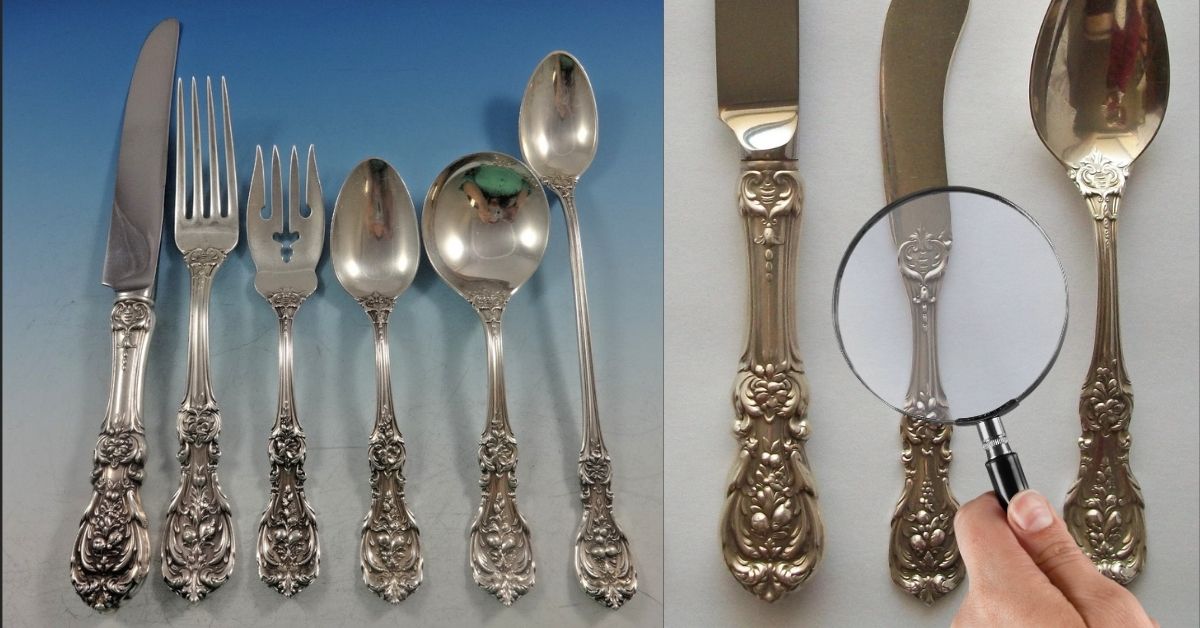
Good photographs make the appraisal process easier. Take one image of the full collection, several pictures of representative pieces, close-ups of the decoration, and sharp photographs of every visible mark.
Record the number of place settings and list the serving utensils separately. Mention dents, repairs, loose parts, worn plating, missing pieces, and any known family history. Include photographs of the chest when it appears original, but photograph the silver outside the box as well.
A professional evaluation is especially useful when a set has been inherited, the marks are difficult to read, the pattern seems unusual, or you are deciding between a private sale and an auction. When selecting an appraiser or auction house, look for specialists in antique silver or decorative arts, and check whether they are accredited by recognized professional associations such as the American Society of Appraisers (ASA) or the International Society of Appraisers (ISA). Reputable appraisers should be willing to explain their experience, provide references upon request, and clearly outline their fees and appraisal process.
Avoid anyone who pressures you to sell immediately or charges based on a percentage of the item’s value rather than a flat fee for the appraisal. For auction houses, review recent auction results in similar categories, inquire about their terms, and ensure they offer photography and marketing appropriate to your collection. Antique Appraisers Auctioneers provides appraisal and auction services for antique silver and states complimentary auction estimates are available for qualifying items valued at $500 or more.
Let the Details Tell the Full Story
The appeal of Reed and Barton silverware lies in more than its shine. Each piece brings together craftsmanship, changing design tastes, family use, and American manufacturing history.
Start with the metal-quality mark. Study the maker’s stamp, identify the pattern, and assess the condition and completeness of the entire group. Most importantly, do not try to value a collection from one photograph or one stamped number.
A careful reading of Reed and Barton hallmarks, supported by pattern research and professional market knowledge, gives you a much clearer picture of what is sitting inside the silver chest.
Is the Chinese Antiques Boom Coming to an End?
What do you think? This is the truth? Will Chinese historical artifacts no longer be in trend? Let’s find out by walking through this article…
According to a recent report on the marketing of Chinese artifacts, the market for Asian antiques reached $5.7 billion in 2019, the lowest level since 2010. Not only China, but also other countries have the same drop-down. Also, over time, people began to appreciate the carvings and unique designs of Asian artifacts. But the main question is, will it end?
According to Asian antique buyers, demand for such ancient pieces rises and falls. So, let’s see if the boom in China’s old pieces will last forever…
Which Chinese antiques are trending recently?
According to auctions held over the last 2-3 years, Chinese antique buyers also purchased several Asian-created masterpieces. They mentioned the following ancient works, which are in demand and still sparkle in the eyes of antique lovers. Here you go…
- Jade Carvings
- Paintings
- Porcelain
- Ceramic ware
- Chinese bronzes
- Furniture
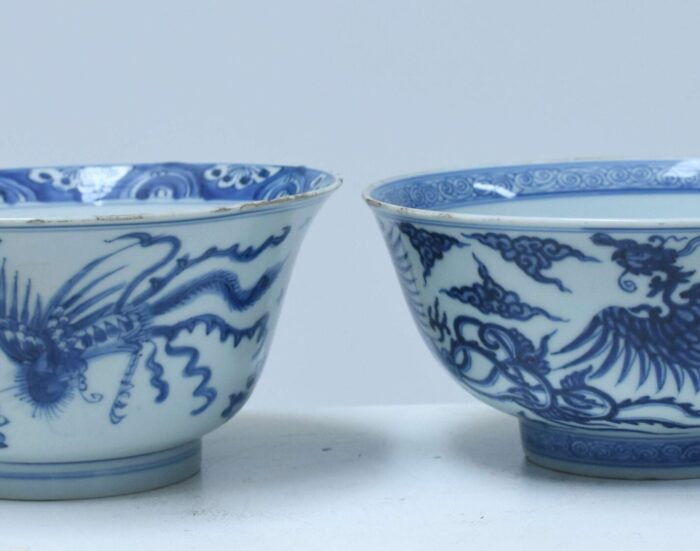
If talking about which antique piece is the most expensive and sold at the highest price, recently, at Sotheby’s auction in Hong Kong, a 900-year-old porcelain bowl of the Song dynasty (960–1279 A.D.) was auctioned and bought for $38 million by an anonymous buyer.
Final Thought
If you’re thinking of buying Chinese antiques as valuable assets, then that’s a big green flag for you. Just go ahead! And if you see any of your friends or relatives holding Asian antiques, tell them to take the best possible care to preserve their beauty. The boom in Chinese ancient artifacts ain’t going to drop off or ever end.
Additionally, East Asian traditional artworks and pieces are “thundering,” i.e., achieving high popularity nowadays. I think so; you’re eye-watering and thinking yes! You’re still above the water. Fortunately, you are lucky to deal with these masterpieces.
Don’t worry if you have Asian artwork or other antique items; we buy Chinese antiques and offer top price with detailed information and complete safety and security.
Where to Sell Vintage Items: A Practical Guide to Finding the Right Buyer
Vintage items hold stories, memories, and unique craftsmanship. Selling them locally helps ensure they find appreciative owners and offers fair value, whether inherited or newly discovered.
If you have been wondering where to sell vintage items, this guide explains the best local options, how to prepare your pieces, and what to avoid during the selling process. Here is an overview of the main steps involved:
- Research the value and background of your item
- Prepare your vintage pieces for sale
- Choose the most suitable local venue or buyer
- Negotiate and complete the sale
Following these steps can help you make confident decisions and achieve the best results.
Understand What Makes a Vintage Item Valuable
Not every old item is automatically valuable, but many vintage pieces attract collectors and buyers because of their age, rarity, condition, and style.
Common vintage items that often perform well in the market include:
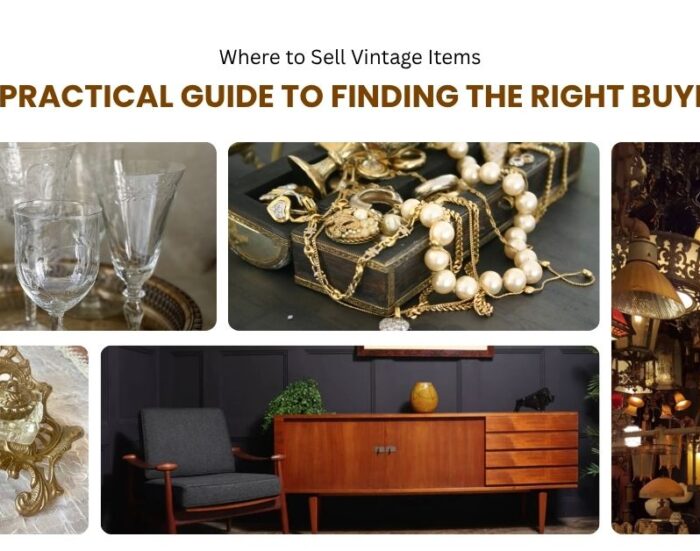
- Mid-century furniture
- Vintage lighting and décor
- Collectable glassware and ceramics
- Estate jewelry and watches
- Advertising signs and memorabilia
- Vintage books and artwork
- Decorative home accessories
Before selling, spend time learning about your item’s background. Manufacturer marks, labels, signatures, original packaging, and production dates can influence value.
Even minor details can help buyers make more informed decisions, ensuring they purchase items that fit their interests or collections.
Best Places to Sell Vintage Items Locally
Finding the right buyer matters as much as the item itself. Different selling options work better depending on the type and value of your vintage piece.
Local Antique and Vintage Dealers
Vintage dealers are often the first choice for people looking for a fast and direct sale. Experienced buyers understand market demand and can quickly identify collectable value. This option works well for furniture, décor, and estate pieces.
Many dealers purchase items directly, while others may offer consignment services where the item is sold on your behalf. With consignment, you leave your vintage item with the dealer, who then markets and sells it for you. Typically, you receive payment only after the sale, and the dealer takes a commission, often around 20%-40% of the sale price. Timelines can vary; some consignment agreements can last several weeks or months, so be sure to discuss terms and fees in advance to avoid surprises.
If you are looking for where to sell vintage items locally, antique buyers and vintage dealers can provide a quicker process than listing platforms.
Auction Houses for Rare or High-Value Pieces
Auctions are useful when selling unusual, collectable, or premium items.
Collectors attending auctions already understand value and may compete for unique pieces. Vintage artwork, estate collections, signed items, and rare décor often perform well through auctions.
A professional review before auctioning can also help determine expected value.
Estate Sales and Collector Events
Estate sales and local collector markets attract buyers seeking older, distinctive items.
These events allow buyers to see items in person, inspect condition, and find pieces that complement their collections or interests.
Vintage furniture, decorative accessories, and household collectables often receive good attention in these environments.
Prepare Your Vintage Items Before Selling
Presentation plays an important role in attracting buyers.
Start by cleaning the item carefully, avoiding harsh products that may damage finishes, labels, or original materials.
Then prepare:
- Clear photos from multiple angles
- Close-up images of marks or signatures
- Measurements and dimensions
- Details about age, origin, and condition
- Any known history or ownership information
Buyers appreciate transparency because it helps them make confident, informed purchases.
Accurate descriptions help build trust and reduce issues later in negotiations.
Once you’ve prepared your items, consider whether you need a vintage appraisal.
An appraisal can be helpful when you are unsure about value.
Many sellers underestimate vintage pieces because they look ordinary, while collectors may recognise rarity immediately.
A professional appraisal may help you:
- Confirm authenticity
- Understand market value
- Identify rarity
- Support auction listings
- Avoid underselling valuable items
This step is especially useful for inherited collections, estate items, jewellery, artwork, and antique furniture.
Common Mistakes Sellers Should Avoid
Accepting the First Offer Too Quickly
Fast offers are tempting, but they aren’t always the best.
Compare buyers and gather information before agreeing to a price. When comparing potential buyers, consider several factors: reputation within the community, feedback from previous sellers, clear and prompt communication, and the security and payment methods they offer. Ask questions if you are unsure about their process or terms. This approach will help you choose a trustworthy buyer and ensure a smoother, safer transaction.
Over-Restoring Vintage Pieces
Heavy refinishing or repairs may reduce collectable value.
Collectors often prefer original condition over heavily modified items.
Skipping Research
Researching the maker, era, and style helps position your item properly. Many miss-selling opportunities simply because they are unaware of what they own.
Finding the Right Buyer Matters
Selling vintage pieces is not only about clearing space or earning money. It is also about connecting items with people who appreciate their history and craftsmanship.
Whether you choose antique dealers, auctions, estate sales, or local buyers, taking time to prepare and understand your items can help you achieve better results.
If you are looking for where to sell vintage items, working with experienced appraisers and buyers can make the process easier, more transparent, and more rewarding.
When it comes to selling vintage treasures, Antique Appraisers & Auctioneers is the trusted choice for sellers across the USA. Our team of expert appraisers provides exceptional service, competitive offers, and a seamless selling experience. We make every step simple, clear, and rewarding while ensuring your valuable items are appreciated and matched with the right collectors.
How To Clean and Protect Antique Jade Jewelry
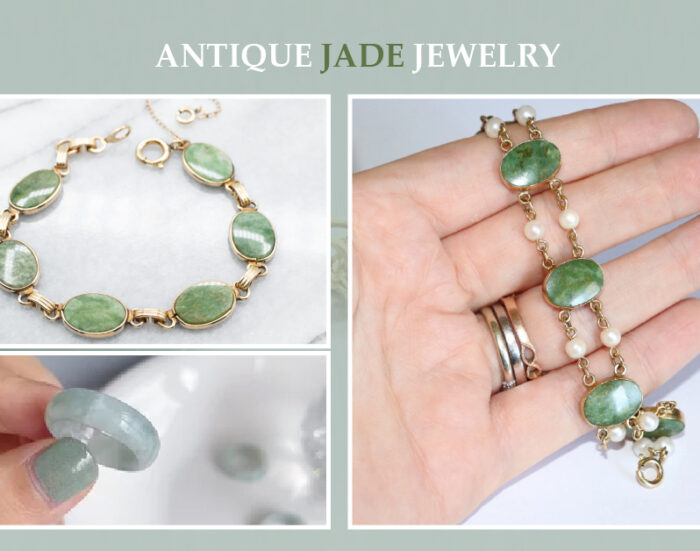
Antique jade is a highly precious gemstone that is categorized into two primary types: jadeite and nephrite. These beautiful stones are most commonly recognized for their vibrant green color, although jade can naturally appear in several other shades as well. Throughout history, jade has been admired for both its beauty and durability. In ancient times, it was widely used for tools, weapons, carvings, and decorative objects, while today it remains one of the most desired gemstones for fine jewelry and collectibles. Many collectors of Chinese jade jewelry and antique jade jewelry appreciate jade not only for its appearance but also for its cultural and historical significance.
No matter how vivid or valuable antique jade jewelry may be, proper care and maintenance are essential to preserving its beauty and long-term value. Learning how to clean jade correctly can help protect the surface of the stone and maintain its natural shine for generations. Whether you own antique pendants, rings, necklaces, or a cherished jade bracelet, gentle cleaning and safe storage practices are extremely important.
If you are searching for information on how to clean jade jewelry or how to safely maintain antique jade pieces, the following professional care tips can help you avoid unnecessary damage while keeping your jewelry looking elegant and polished.
Proven Tips To Clean And Protect Chinese Antique Jade
Treated or untreated jade antiques can generally be cleaned using the same gentle cleaning process. Some treated jade pieces go through enhancement methods such as dyeing or polymer impregnation to improve brightness and translucency. Because of this, harsh cleaning methods should always be avoided. Understanding how to clean jade stone properly is important, especially for antique and collectible pieces that may be more delicate due to age.
Without taking too much of your time, below are several simple and effective methods for cleaning and protecting your Chinese jade items safely at home.
Cleaning Tips For Jade Jewelry
1. Prepare A Gentle Cleaning Solution
Take a bowl of warm water and mix in a mild soap solution. Avoid using strong detergents, bleach, ammonia, or chemical jewelry cleaners, as these may damage the jade surface over time.
2. Soak The Jewelry Carefully
Place the loose jade stone, jade pendant, necklace, ring, or jade bracelet into the warm soap solution and allow it to soak for approximately 5–10 minutes. This helps loosen surface dirt and oils naturally.
3. Use A Soft Brush For Cleaning
Take a soft-bristled brush and gently scrub the stone. If necessary, a toothpick or cotton swab may be carefully used to remove dirt trapped in small crevices or detailed carvings. This method is especially helpful for people researching how to clean jade jewelry without scratching delicate antique settings.
4. Rinse With Clean Water
Wash the jewelry thoroughly with fresh running water to remove any remaining soap residue. Make sure no cleaning solution is left behind, particularly around metal settings or decorative details.
5. Dry And Polish Properly
Pat dry using a soft cotton cloth or towel. Some collectors lightly polish jade using a small amount of canola oil to enhance brilliance and shine. After polishing, wipe away all excess oil with a lint-free cloth to prevent dust, dirt, or grease buildup.
These simple methods can help safely clean jadeite jewelry while maintaining the natural beauty and luster of the gemstone. Whether you are learning how to clean jade stone surfaces or maintain antique carved pendants, gentle care is always the safest approach.
Important Tips To Protect Antique Jade Jewelry
Cleaning is only one part of preserving antique jade. Proper handling and storage also play a major role in protecting your jewelry collection.
- Never use harsh chemicals or ultrasonic cleaners on jade jewelry.
- Avoid exposing jade necklaces or bracelets to chlorine while swimming.
- Store jade jewelry separately in a soft jewelry box wrapped in cotton or fabric.
- Keep antique jade away from excessive heat and direct sunlight for long periods.
- Remove jade jewelry before heavy physical activities to prevent accidental cracks or chips.
These protection tips are especially important for collectors of antique jade jewelry, as older pieces may contain delicate carvings, settings, or natural age-related wear.
How To Tell If Chinese Jade Jewelry Is Real
Many people inherit or purchase jade items without knowing whether the piece is genuine jadeite, nephrite, treated jade, or imitation stone. Authentic Chinese jade jewelry can carry significant collectible and historical value depending on its age, craftsmanship, and quality. Understanding authenticity is also important for collectors researching how to sell jade and determine its fair market value.
We are experienced Chinese jade buyers in Connecticut known for trusted antique appraisal services and evaluations. Our expert appraisers can help determine whether your jade jewelry is authentic while also evaluating the rarity, quality, craftsmanship, and market value of the piece.
Whether you own antique pendants, carved jade sculptures, rings, or vintage bracelets, professional evaluations can help you better understand the history and value behind your jade collection. This can also help collectors who are searching for how to sell jade safely through trusted antique buyers and appraisal experts.
Therefore, we hope these jade cleaning and protection tips were useful and informative. By understanding how to clean jade safely and how to protect antique jewelry properly, you can preserve the beauty and elegance of your treasured gemstones for years to come.
Beautify yourself with dazzling jade jewelry.
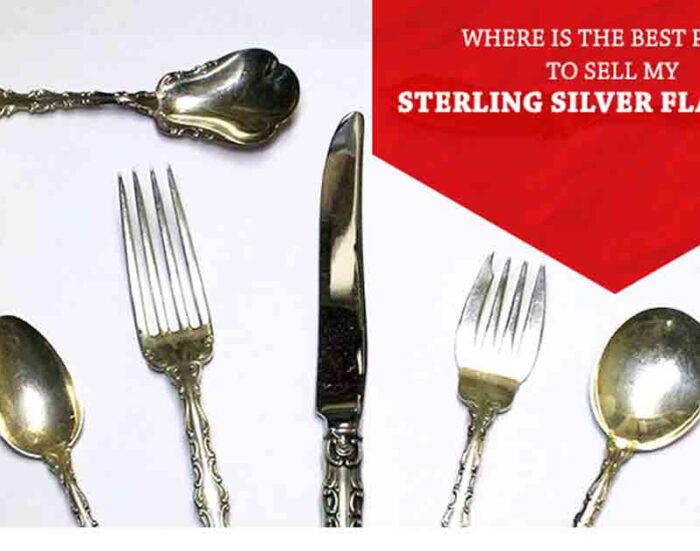
Need To Sell Your Old Silverware? Look Into Experienced And Trusted Antique Buyers
There is a timeless beauty in antique silver items that cannot be matched by many other metals. From their elegant shine to their detailed craftsmanship, silver pieces have been used for generations to create beautiful household items, dining sets, decorative pieces, and even military artifacts. If you’re looking to sell antique silver, these pieces have not only served their purpose over the years but have also become highly desirable collectibles in today’s antique market. Many people searching for where to sell antique silverware near me are often surprised to discover the true value hidden within old family heirlooms and estate collections.
Silver has been trusted for centuries for its durability, beauty, and practicality. It was commonly used to make crockery, flatware, knives, tea sets, serving trays, candlesticks, and decorative items. Today, many of these pieces are considered valuable antiques. If you come across such items stored away in your family home, estate, or attic, contacting experienced silverware buyers can help you understand their real market value. Professional antique silverware buyers near me can determine whether your items hold collectible, historical, or sterling silver value beyond simple melt pricing.
How To Get The Best Price On Antique Silverware
Antique silver has a specialized market and should always be evaluated by professionals who understand antique craftsmanship, silver purity, maker’s marks, and collectible demand. Understanding the true value of old silverware is extremely important when selling these items. If you are searching for silverware buyers, antique silverware buyers, or reliable professionals to sell antique silverware, it is always best to work with trusted experts with years of experience in the antique industry. Many people also search for where to sell old silverware because they want trustworthy buyers who can offer fair market evaluations instead of scrap pricing.If you are researching where to sell valuable antiques locally, understanding the difference between professional antique buyers and scrap dealers can help you make a more informed decision.
Experienced antique silver buyers understand how to identify valuable sterling silver patterns, manufacturer hallmarks, and rare antique designs. Whether your silverware is a few decades old or several centuries old, knowledgeable buyers can determine its age, origin, craftsmanship, and collector demand. As a result, the offer you receive may be significantly higher than expected. Antique silverware buyers also understand how proper cleaning and restoration can enhance the beauty and presentation of old silver pieces without damaging their antique value.
You may be surprised at how stunning an old silver tea set, a sterling silver flatware collection, or serving tray can appear after professional restoration and polishing. If you are wondering about the value of your silver collection, experienced antique silverware buyers can provide professional evaluations and explain the historical and collectible importance of your items.
What Affects The Value Of Antique Silverware?
Several factors can influence the value of antique silverware, including:
• Sterling silver purity and markings
• Manufacturer or maker’s marks
• Age and historical significance
• Pattern rarity and collector demand
• Overall condition and completeness of the set
• Original boxes, cases, or documentation
Many antique silver items that appear old or tarnished may actually be highly collectible and valuable in today’s market. For example, silverware from famous makers like Tiffany & Co., Gorham, or Reed & Barton, or rare patterns such as Gorham’s Chantilly or Wallace’s Grand Baroque, can bring surprisingly high prices. Even a single serving spoon from a sought-after pattern or a piece with unique engravings and provenance might be worth far more than expected. These hidden treasures often go overlooked, so consulting with an expert can help reveal their true value.
Why You Should Avoid Selling To Scrap Dealers
Many people are unaware of the true value of the silverware pieces sitting in old family estates or inherited collections. Because the items may appear tarnished or worn, some assume they are only worth scrap value and sell them to local scrap dealers quickly. Unfortunately, this often results in valuable antiques being sold far below their true worth.
Instead, ask “who buys antique silverware?” and search for trusted antique silverware buyers near me or reputable silverware buyers near me who specialize in antique and estate silver. Experienced buyers understand the craftsmanship, history, and collectible value of these pieces and can provide fair evaluations based on current antique market conditions.
Working with established antique silver buyers also gives you peace of mind knowing your family heirlooms are being handled by professionals who appreciate and preserve their historical significance.
Work With Trusted Antique Silverware Buyers
When selling antique silverware, trust and experience matter. Professional antique buyers with decades of experience can help identify valuable sterling silver pieces, rare patterns, estate silver collections, and antique serving sets. Whether you have a single tea set or a large inherited collection, working with knowledgeable professionals can help you receive a fair and competitive offer.
If you are searching for the best place for selling antique silverware or looking for reliable silverware buyers, contact experienced antique professionals who can provide confidential evaluations, honest guidance, and competitive market offers for your antique silver collection.
When you reach out to a reputable antique silver buyer, the selling process is usually straightforward. First, the buyer will ask for details about your silverware and may request photographs or schedule an in-person evaluation. During this evaluation, experts will examine the pieces for authenticity, craftsmanship, and market demand. After assessing your items, you will receive a clear and fair offer. If you decide to accept, payment can typically be arranged quickly and securely, often on the same day, along with any necessary paperwork. This simple process ensures transparency and gives you confidence that you are receiving the best value for your treasured antiques.
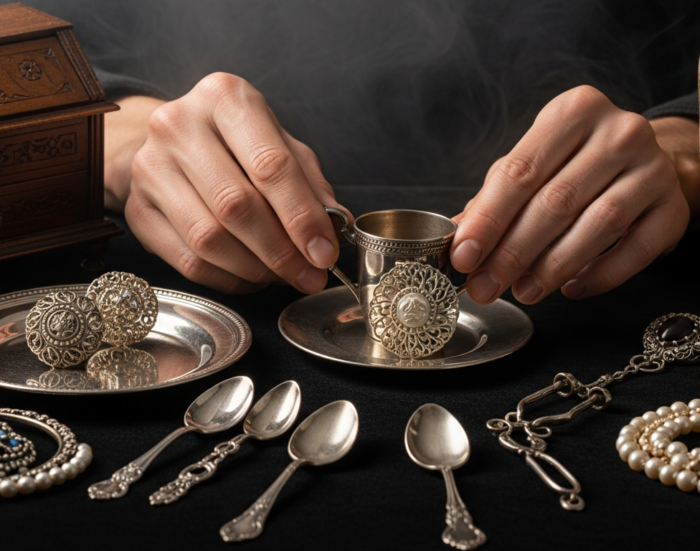
Where to Sell Antiques Locally for Cash in Connecticut & New York
Do you have valuable antiques, collectibles, or family heirlooms you’re ready to sell? If you’re wondering where to sell antiques locally for cash in Connecticut & New York, finding the right buyer is essential to getting the best value for your items. Whether you’re downsizing, settling an estate, decluttering your home, or simply looking to turn antiques into cash, knowing where to sell antiques locally can help you avoid low offers and connect with experienced buyers. From antique dealers and auction houses to professional appraisers, there are several options available throughout Connecticut and New York. In this guide, we’ll explore the best places to sell antiques locally, how to maximize your item’s value, and what to expect during the selling process so you can make an informed decision with confidence.
1. Local Antique Shops: The Traditional Route
Antique shops are a common first stop for selling vintage items. Local shop owners usually know the market well and can quickly tell you what your antiques are worth. The process is simple: bring in your items, get them appraised, and receive an offer. Some shops buy items right away, while others offer consignment. With consignment, the shop displays your antiques and pays you only if they sell, taking a commission of 30% to 50%. If your items don’t sell in the agreed time, you may need to pick them up or discuss new terms. Knowing these details can help you decide if consignment is right for you.
Pros:
-
Immediate, face-to-face interaction
-
Professional appraisals on the spot
-
Potential for ongoing relationships with dealers
Cons:
-
Offers may be lower because dealers need to resell at a profit.
-
Not all shops accept every type of antique.
2. Antique Appraisers and Auctioneers: Expert Valuation and Exposure
If you want a professional and reliable way to sell, working with antique appraisers and auctioneers is a good option. Companies like Antique Appraisers Auctioneers focus on evaluating, marketing, and selling a wide range of antiques. Their experience helps you get a fair price, and their network connects you with serious buyers.
Benefits of Using an Auctioneer/Appraiser:
-
Accurate, honest appraisals
-
Access to a wide buyer network
-
Potential for competitive bidding at auctions
-
Guidance on how to present your items for maximum value
If you’re not sure about the value or authenticity of your antiques, it’s important to start with a professional appraisal. These experts can also help you choose the best way to sell, whether that’s a private sale, auction, or consignment.
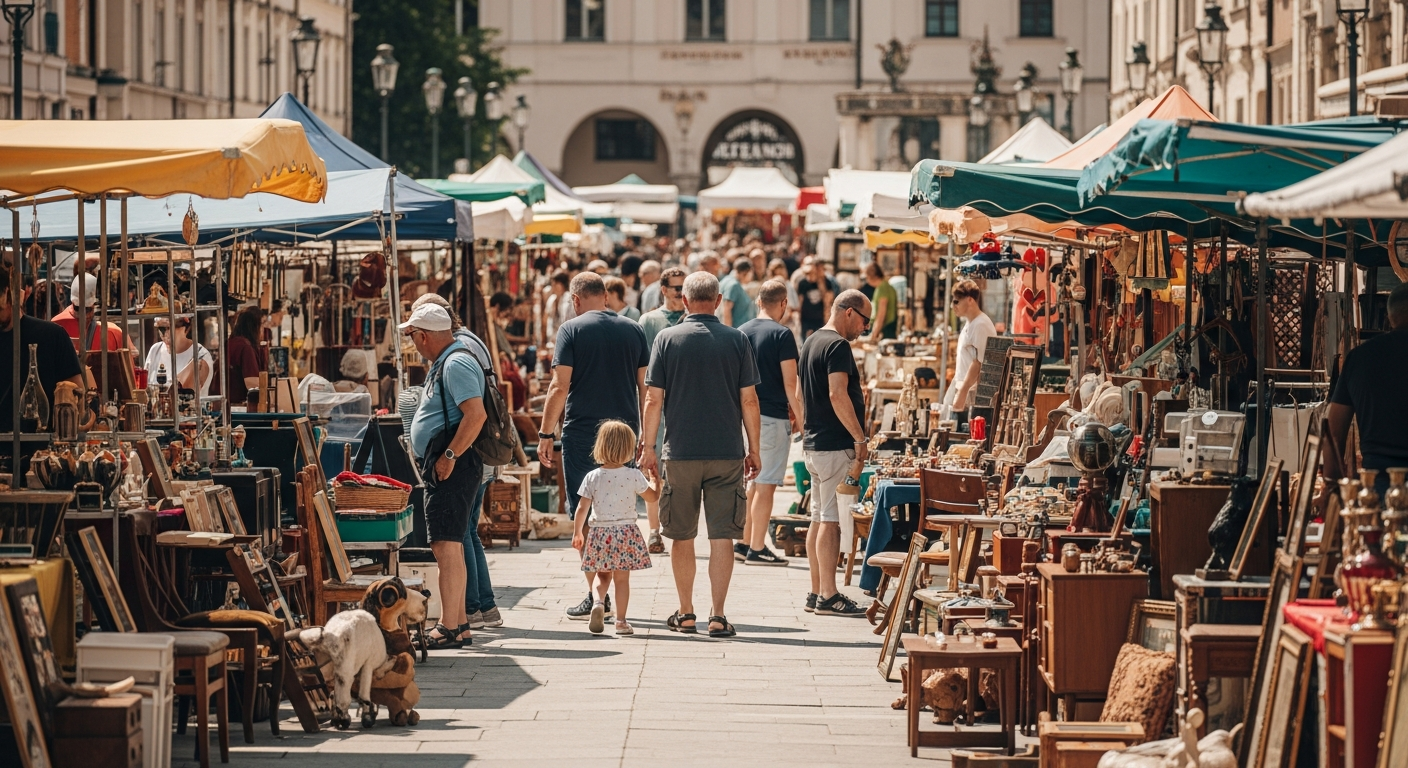
3. Local Flea Markets and Antique Fairs
Flea markets and antique fairs are vibrant community events that attract collectors and casual buyers alike. Renting a booth or partnering with a vendor allows you to showcase your antiques to a wide audience. These venues are perfect for selling smaller items, collectibles, or pieces with broad appeal.
Tips for Success:
-
Present your items attractively.
-
Be prepared to negotiate.
-
Research pricing beforehand to set fair, competitive prices.
4. Estate Sales and Garage Sales
If you have multiple antiques or an entire collection, hosting an estate or garage sale can be an efficient way to sell locally. Estate sale companies can handle everything from pricing and marketing to managing the sale itself. This approach works best if you’re moving or liquidating a household.
Advantages:
-
Sell multiple items at once
-
Attract local buyers interested in antiques.
-
Less need for transport and logistics
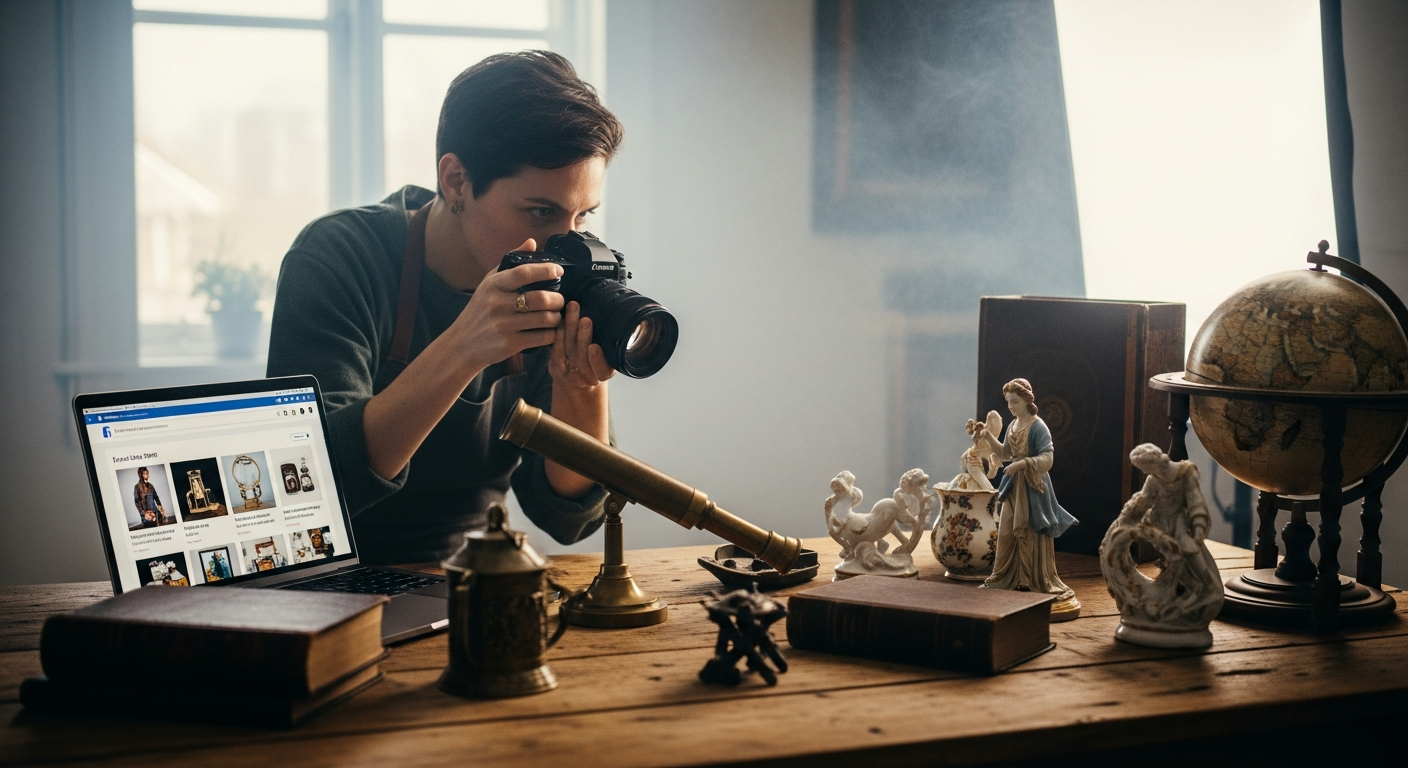
5. Community Boards and Local Online Marketplaces
If you’re researching where to sell antiques locally, online marketplaces such as Facebook Marketplace, Craigslist, and neighborhood apps like Nextdoor can help connect you with buyers in your area. These platforms may work well for common collectibles and lower-value antiques, but they often require you to handle pricing, negotiations, and meeting buyers yourself. For valuable antiques, rare collectibles, estate pieces, or family heirlooms, many sellers in Connecticut and New York prefer working with experienced antique buyers, appraisers, or auction professionals who can provide a fair evaluation and help determine the true market value of an item. Regardless of which option you choose, always prioritize safety by meeting in secure public locations and using trusted payment methods.
Safety Tips:
-
Meet in public places.
-
Accept secure forms of payment.
-
Be cautious with high-value transactions.
6. Consignment Stores
Consignment stores give your antiques a professional display and help with selling. Your items are shown in the store, and you get a share of the sale price when they sell. This hands-off method is good if you don’t want to handle the selling process yourself.
Considerations:
-
Store takes a commission, typically 30-50%
-
Items may take time to sell
Why Choose Antique Appraisers Auctioneers?
If you’re searching for a trustworthy local partner, Antique Appraisers Auctioneers is an excellent choice. With decades of experience, they provide personalized service, accurate appraisals, and a transparent selling process. Whether you have fine art, jewelry, furniture, or rare collectibles, their team can guide you every step of the way.
Here’s what sets them apart:
-
Free verbal appraisals
-
Confidential, no-obligation consultations
-
Estate liquidation services
-
Decades of experience in the antique market
Final Thoughts
Selling antiques locally means finding the right place and trusted people who will value and appreciate your items. Start with an appraisal, then choose between shops, fairs, estate sales, or online marketplaces. Research each option to see what fits your needs best. With good planning and expert help, your antiques can find new owners and create new opportunities in areas like Connecticut & New York, where antique markets are highly active.
Visit Antique Appraisers Auctioneers to schedule your free professional appraisal and start selling your antiques locally with expert help. For the best valuation, bring clear photos, any background information, and details like age, maker, and previous owners. Being prepared helps your treasures get the right assessment. Let your antiques work for you!
How Can I Sell My Antiques Fast?
Do you have a collection of special antiques just sitting around, waiting for a new home? Whether you’re trying to clear some space, raise money, downsize your collection, or pass on your treasures to a new generation, selling antiques doesn’t have to be a big hassle. Many people often ask questions like how can I sell my antiques fast, how do I sell my antiques, or where to sell antiques locally. The good news is that there are several easy and effective ways to find the right buyers.
In this guide, we’ll look at simple and effective ways to sell your antiques quickly, from finding the best places to sell to creating attractive listings and getting the right price for your valuable pieces.
1. Where to Sell Antiques: Finding the Perfect Place
The first step in selling my antiques successfully is choosing the right place to reach serious buyers. Different selling options work better for different types of antiques.
1A. Online Antique Markets
Websites like eBay, Etsy, and Ruby Lane give you access to a large audience of collectors and antique enthusiasts. These platforms are excellent if you’re wondering how to sell your antiques online and reach buyers outside your local area.
You can connect with people around the world who are actively looking for unique vintage and antique items. Make sure your listings include:
- Clear, high-quality photos
- Detailed descriptions
- Measurements and condition details
- A little history or background about your antiques
Well-written listings can help your antiques sell faster and attract more serious buyers.
1B. Local Antique Shops and Dealers
If you are searching for where to sell antiques locally, local antique shops and experienced dealers can be a great option. This works especially well for rare, valuable, or collectible items.
Visit nearby antique stores, introduce yourself to dealers, and ask whether they are interested in buying your antiques outright or selling them on consignment. Building relationships with local antique buyers can make future sales much easier.
1C. Consignment Shops and Auction Houses
Consignment shops and auction houses are another smart option for people asking how to sell my antiques quickly and professionally. These experts understand market trends and often already have networks of interested buyers.
While they may charge a commission, their experience, marketing reach, and ability to attract collectors can often help you get better offers for valuable antiques.
2. Where to Get Antiques Appraised Near Me: Finding the Experts
Before selling, it’s important to understand the true value of your antiques. Proper appraisals help you avoid underpricing valuable pieces and give buyers confidence.
2A. Local Appraisal Services
Look for professionals who specialize in the type of antiques you own. Search online directories, contact local antique associations, or read customer reviews to find trusted appraisal experts near you.
Professional appraisals are especially helpful if you’re planning on selling antiques online or through auction houses.
2B. Recommendations from Antique Enthusiasts
Connect with antique collectors and enthusiasts through online forums, Facebook groups, social media communities, or antique events. They can often recommend reliable appraisers and local antique buyers with strong reputations.
2C. Antique Shows and Appraisal Events
Attend antique shows, flea markets, and appraisal events in your area whenever possible. Many of these events feature experts who can evaluate your antiques on the spot.
This can also be a great opportunity to meet collectors and people interested in buying antiques locally.
3. How to Sell Antiques: A Step-by-Step Guide
Now that you’ve found the right place and learned the value of your items, let’s go over the steps for selling antiques quickly and successfully.
3A. Understanding the Value
Use information from your appraisal along with your own market research to determine fair pricing. Consider:
- Current demand
- Historical significance
- Condition
- Rarity
- Comparable recent sales
Understanding these factors will help you price your antiques competitively.
3B. Creating Great Listings
Whether you’re selling online, posting on marketplaces, or creating flyers for local antique shops, presentation matters.
Use bright, detailed photos that highlight the uniqueness and craftsmanship of your antiques. Write descriptions that explain:
- The history of the item
- Important markings or signatures
- Age and condition
- Why the piece is collectible or valuable
Strong listings help build trust and increase buyer interest.
3C. Pricing to Sell
If your goal is a quick sale, pricing strategically is important. Many people searching how can I sell my antiques fast find that competitive pricing attracts more buyers and faster offers.
You can also:
- Offer bundle deals
- Provide discounts for multiple purchases
- Be open to reasonable negotiations
Finding the right balance between fair value and buyer interest can speed up the selling process.
Final Thoughts
Selling antiques doesn’t have to feel overwhelming. Whether you’re selling a single family heirloom or an entire collection, understanding how to sell my antiques the right way can make the process smoother and more profitable.
From online marketplaces and auction houses to local antique dealers and appraisal events, there are many options available depending on your goals. If you’ve been wondering where to sell antiques locally or how do I sell my antiques fast, the key is choosing the right platform, presenting your items professionally, and pricing them wisely.
With patience, research, and the right strategy, your antiques can quickly find the perfect new home.
Where can you find the best deals on real Chinese Ming porcelain?
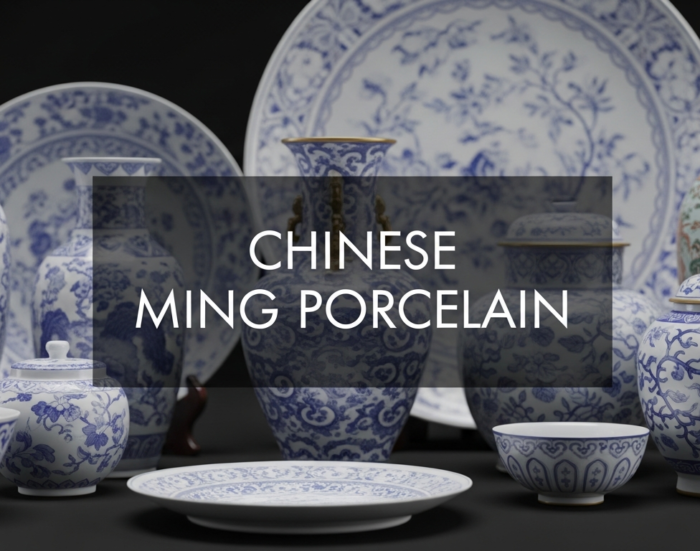
It can be hard to tell real Chinese Ming porcelain from fake. In the last few years, it has become very popular in modern jewelry, home design, and decor. People love old and vintage things, but the market is full of fakes, from cheap tourist copies to very good modern copies. A lot of them look “almost the same,” which makes it hard for people who are new to tell them apart.
Prices can also be completely unique. Some sellers ask museum-level prices for copies, while others don’t really know what they have and still charge a lot. In both cases, it’s very easy for buyers to pay too much without knowing it. An expert must also look at real Ming porcelain because real pieces have certain features, like the texture of the glaze, kiln marks, shape, and style of decoration. It takes experience and, in some cases, even scientific testing to figure out these things.
Real Ming pieces can be found in a lot of different places, like auction houses, specialist dealers, private collections, and online marketplaces, which makes things even more confusing. Because of this, buyers often have a challenging time figuring out which sellers they can really trust.
Can I Buy Ming Porcelain on My Own?
You can try to buy Chinese Ming porcelain on your own, but it’s risky to do so without help. Here’s why you should be careful and what you can do to lower those risks.
1. You might lose a lot of money.
Chinese Ming porcelain is costly, and it’s easy to spend thousands on a fake without expert help, especially since high-quality copies look a lot like real pieces.
What you can do: Before you buy, compare prices from several well-known dealers or auction houses, look up similar items, and don’t buy things on a whim from sellers you don’t know.
2. Your money could lose all its value.
Fake items don’t sell for much, if anything. When you try to sell them, professional appraisers will quickly see that they are copies, and you may not get anything back.
What you can do: Before you buy something that costs a lot of money, get an independent appraisal or at least a second opinion from an expert in Asian ceramics.
3. You might miss out on things that are really worth a lot.
Fear of scams can also prevent you from acquiring genuine treasures at reasonable prices. A lot of collectors miss out on great chances because they don’t know what to look for.
You can do this: Learn the basic signs of real Ming porcelain, like the quality of the glaze, the style of painting, the kiln marks, and where it came from. While you’re still learning, start by buying from reputable dealers or auction houses.
How to Buy Real Chinese Ming Porcelain [Real Life]
Here’s how collectors and dealers really buy real Ming porcelain today, if you’re serious about it.
1. Begin with antique dealers you can trust.
In real life, most safe purchases start with experienced dealers in Asian art who look at things like glaze tone, brushwork, kiln marks, shape, and natural age wear—small details that are almost impossible for beginners to judge correctly. A reliable dealer will let you touch or closely inspect the item (or give you obvious, close-up photos if you are buying online), tell you where it came from (provenance), how they got it, and put their reputation behind it, usually with a written invoice that says “Ming dynasty” or a certificate of authenticity.
You can usually find these dealers through long-established antique galleries, recognized dealer associations, specialist trade fairs, and Asian art shops in big cities or at big antique shows. These places have built up their reputations over time and are more accountable.
2. Use big auction houses for important items.
Serious buyers of more expensive Ming porcelain often go to big auction houses because their in-house experts carefully check items before they are listed. There is a written description, price estimate, and condition report for each lot. The final hammer price is a “market-tested” value that shows what collectors are eager to pay. In this setting, being open and having specialized knowledge greatly lowers the chance of buying fake or misattributed items compared to informal or unvetted channels.
In real life, a smart buyer will look through the online catalog weeks before the sale to make a list of the best items. Then, they will either attend the viewing days or request more photos and condition reports to see any cracks, repairs, or other quality issues before bidding. Setting a maximum bid for each item ahead of time and sticking to it during the auction is also common. This procedure helps you avoid spending too much because of emotions and keeps the purchase in line with current market levels and your own budget.
3. Be extra careful when using online marketplaces.
Fakes are mostly sold online, but there are also some really good pieces there. The key is to choose carefully. Most fake items are sold online, but there are also some really good ones there. The key is to be careful when you choose.
Here are some things to keep in mind when using online marketplaces to protect your investment:
- Look at the seller. Check out the seller’s reputation and history before you buy. Check out what other people have said about the product. It is usually safer to buy from established sellers who have a history of making real sales.
- Ask for Clear Pictures Always ask for high-quality pictures of the piece from different angles. Look closely at the glaze, markings, and any flaws or areas of concern.
- Know the Return Policies Be aware of the marketplace’s and the seller’s return policies. Ensure a buyer protection plan allows returns if the item is a copy or not as described.
- Follow Your Gut If something seems wrong, like the prices, the way the seller talks, or the pictures, trust your gut. It’s better to walk away from a deal than to make a mistake that costs you money.
- Think about getting a third party to check it out. Some websites offer services that verify your identity. If you can, think about using these services to make sure the piece is real before you buy it.
You can increase your chances of getting a real piece of Chinese Ming porcelain without getting scammed by being careful and learning as much as you can. Being well-informed is the best way to avoid making expensive mistakes when you go to auction houses, trusted dealers, or online marketplaces. Have fun collecting!
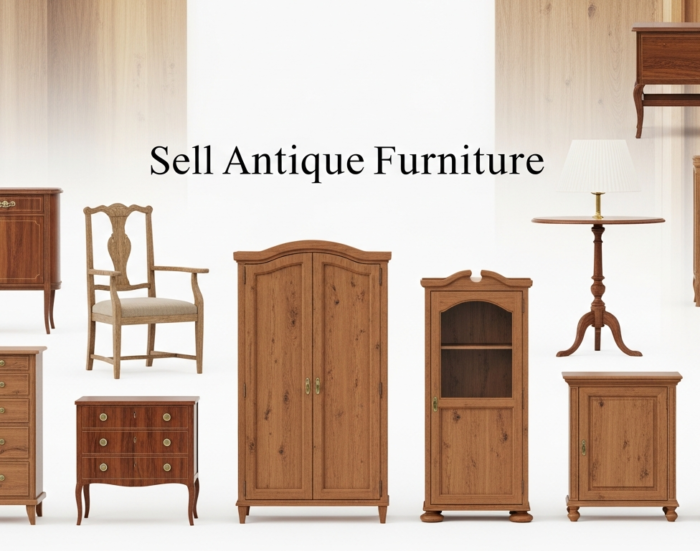
Where to sell antique furniture Locally for quick cash?
There is a story behind every piece of antique furniture. These pieces are more than just furniture; they are historical artifacts. For example, consider a mid-century dresser that serves as the main piece of furniture in your living room or a Victorian armchair that has been passed down through generations. But sometimes things change and you need more money or room. The good news is that if you are searching where to sell antiques locally, you can sell antique furniture nearby, get a fair price, and pass it on to someone who truly values it.
Let’s look at how to do it exactly, step by step, and avoid the common mistakes.
Antique furniture that isn’t being used
A lot of us have old furniture that we don’t use frequently. It may have been inherited or bought in hopes of future value. However, storing it in a corner or storage space seems like a wasted opportunity. You know how much your furniture is worth, but it can be challenging to find the right buyer.
You might have tried online marketplaces, but you might have only dealt with buyers who weren’t trustworthy or gotten low offers. Or maybe you don’t know how much your things are really worth. It gets more and more annoying when your furniture just sits there and collects dust.
Why it can be challenging to sell old furniture
Selling an old piece of furniture is not the same as selling a regular table or chair.
There are many problems:
- Choosing the Right Buyer: Not everyone knows how much old things are worth. Some individuals may fail to recognize the value or even reject a unique item.
- Price Confusion: Age, rarity, condition, and style all affect price. If you don’t do enough research, you could end up charging too much or too little.
- Time and Effort: Listing things, taking pictures, answering messages, and setting up pickups all take a lot of time and effort.
- Challenges: Moving old furniture can be challenging because it is big and fragile.
These problems don’t have to make selling stressful.
Guide To Buying and Selling Antique Furniture in Your Area
1. Identify Your Antique Furniture
Check the type, age, and style of your antique pieces. Pay attention to the marking type and to the markings and hand-carved details of the signature.
2. Get an expert’s opinion on the signature. pinion.
Contact a local antique appraiser to learn your item’s value and confirm its authenticity and condition. opinion. For example, people who buy antique furniture in Connecticut often give free verbal appraisals.
3. Choose the Right Platform to Sell
If you are wondering where to sell antiques locally, choosing the right platform and buyer can make a big difference in getting the best value.
- Local Antique Stores: Sell unique furniture directly or let the store sell it for you.
- Antique fairs and auctions are excellent for rare or valuable things.
- Auctions attract collectors who know how valuable old furniture is.
4. Get Your Furniture Ready to Sell
- Don’t use strong chemicals to make the piece shine.
- Take clear photos from different angles.
- Focus on size, material, age, and condition. and condition.
5. Find a fair price.
- Look at similar furniture in person and online.
- Think about how much demand there is, how rare it is, how old it is, and how useful it is.
- Include any costs for delivery or pickup.
6. Put ads for your furniture
- Put up ads on community boards or in local Facebook groups.
- Use descriptive titles, like “Victorian Oak Dining Table in Great Condition.”
- To attract collectors, discuss the item’s quality, age, and origin.
7. Stay Away from Mistakes That Happen Often
- Don’t accept the first low price offer.
- Only deal with buyers who inspect the furniture and meet you in person.
- Don’t send fragile things without the right packaging.
FAQs About Selling Old Furniture
Q1: How long does it take to sell old furniture in your area?
A: It can take anywhere from a few days to a few weeks, depending on the item and the platform.
Q2: Do I need an appraisal?
A: Yes, an appraisal ensures you receive a fair price.
Q3: Is it okay to sell furniture that is broken?
A: Yes, but make sure to charge the right amount. Minor scratches can be mentioned, but major damage can lower value.
Q4: What kinds of old furniture sell the quickest?
A: Buyers frequently seek out dining tables, chairs, dressers, and rare or unique items.
In conclusion
Don’t put your old furniture away. If you search and meet the right people in your area, you can sell your furniture at a fair price. You can also sell antique furniture through estate sales, auctions, stores, or online marketplaces.
👉 Reach out to Antique Appraisers Auctioneers now to initiate a seamless and profitable sale process.
How To Make Money By Selling Antiques Online
Have you ever seen around in your attic treasures and thought, “These things might be worth more than I realize”? You might not know how much your old porcelain sculpture, vintage clocks, or silver flatware are worth. What’s the challenge? How to sell antiques online and get a fair price for them.
It could be the old mirror in your hallway or the dusty box of jewelry you’ve had for years. Each item has a story, but more importantly, it may be worth something you don’t know yet.
Let’s talk about how you can turn those hidden gems into real money without the stress and confusion that usually comes with selling antiques.
Your Antiques are Gathering Dust instead Income
Many people don’t know how much their old things could be worth. You may want to get rid of some family heirlooms or collectibles. You search for their value online, but you find conflicting information on various websites.
Furthermore, selling antiques online can be scary.
- What website can you trust?
- How can you tell if the offer is fair?
- What if you get scammed or sell something valuable for less than it’s worth?
Many people don’t even start because of these questions. Instead of making money, those beautiful old things stay in storage, where they can’t be seen and may even lose value.
Missing Out on Real Chances
The truth is that the online antique market is doing very well. Dealers and collectors all over the world are constantly looking for rare and high-quality items. There is a buyer for almost anything, from old jewelry and silver to fine art and furniture.
But if you don’t take the time to sell antiques online the right way, you could be missing out on collectors who are willing to pay top dollar.
- Reach to buyers from other countries, not just your own.
- Easy, quick sales that don’t require going to antique fairs or auctions in person.
And here’s the best part: in the right market, a small decorative items you think is worthless could be worth hundreds or even thousands of dollars. Imagine selling something you forgot about and finding out it was a hidden gem.
Why it’s better to sell antiques online than in person
You don’t have to wait for local antique fairs or rely on vintage stores to make a sale anymore. When you sell antiques online, buyers from all over the world can view your listings at any time of day or night.
- You maintain direct control over the price, the buyer, and the entire process.
- Easy and flexible: you don’t have to travel or set up a booth; you can just upload from home.
In short, selling antiques online gives you more speed, reach, and transparency, all while keeping the process completely in your hands.
A smart and easy way to sell antiques online
Now for the fun part: here’s how to sell antiques online with confidence and have fun doing it.
1. Find out what you have
Before compiling a list, please take a moment to identify the types of antiques you possess. Look for maker’s marks, hallmarks, signatures, or other design elements that are unique. These facts help figure out how real something is and how much it’s worth. If you’re not sure, take clear pictures and ask an online appraiser for help.
2. Find out how much the market value is
Now that you know what you have, it’s time to figure out how much it’s worth. Look for things that are like what you’re looking for on auction sites like eBay, LiveAuctioneers, or Ruby Lane. Don’t just look at listing prices; also look at what things sold for. This gives you a good idea of how much buyers are willing to pay.
3. Choose the Right Platform
There is no one right answer for where to sell antiques online.
- eBay, Etsy, and Facebook Marketplace are all great places to buy and sell general antiques.
- If you want to buy fine art or collectibles, look into auction sites or websites that cater to niche antique buyers.
- For high-value items: specialized online antique buyers often offer free appraisals and direct purchases.
Picking the right platform can make a big difference in how quickly your antiques get noticed and sold.
4. Present your treasures with confidence
A compelling presentation can turn an average listing into a must-buy. Take pictures from different angles that are well-lit and of excellent quality. Include close-up photos of marks or other details. Write a thoughtful, honest description—noting age, material, history (if known), and condition. Once you’re open and honest, trust builds, and it attracts serious buyers.
💡 Tip: Use words that describe your items, like “vintage,” “antique,” “collectible,” or “mid-century,” in the title and description. This makes it easier for buyers to find you online.
5. Get an appraisal
An appraisal can help you figure out how much something is worth if you’re not certain. Many honest antique buyers will give you a free or low-cost appraisal online. This step not only helps you set the right price for your item, but it also makes you feel better about not selling it too cheaply.
6. Protect Yourself from Scams
Sadly, not every online buyer is real. Always use safe ways to pay, never give out personal information, and be careful of deals that seem “too good to be true.” The safest thing to do is to buy antiques from trusted sellers and verified marketplaces.
7. Close the Deal with Confidence
Once you find the right buyer, make sure to connect properly, pack your item carefully, and get delivery insurance if it’s worth a lot. Keep all of your records until the deal is done. You’ll have cash in hand and more room in your home before you know it.
Frequently Asked Questions
1. How can I tell if my old thing is worth something?
Check for the maker’s mark, the item’s age, how rare it is, and how well it is kept. The best way to find out how much something is worth is to hire an expert.
2. Where are the safest places to sell antiques online?
eBay, Etsy, Ruby Lane, and specialized buyers like Antique Appraisers Auctioneers are all excellent places to buy antiques.
3. Sell antiques that are broken?
Yes, but you should always tell people about any problems and include clear pictures. Some collectors like pieces that are old or can be fixed.
4. How can I stay away from scams when I sell?
Use only trusted payment methods, don’t send items before you get paid, and only do business with well-known buyers or marketplaces.
Why It’s Worth It to Sell Antiques Online
Learning how to sell antiques online gives you many options. You can reach more people, get better deals, and feel good about knowing that your most valued items are going to people who will really appreciate them. Plus, it’s one of the best ways to get rid of things you don’t need and make money at the same time.
Every piece, whether it’s an old clock, a vintage brooch, or a painting, has a story and a market ready to buy it.
Make Money From Your Treasures Today.
What are you waiting for? You might not think much of those “just old things” lying around your house, but they could be worth a lot. You can sell antiques online safely, confidently, and for a fair price if you do some research, find the right listing, and get help from an expert.
💰 Antique Appraisers Auctioneers is a well-known name that helps sellers find out how much their treasures are worth and turn them into cash quickly. Start your journey today.
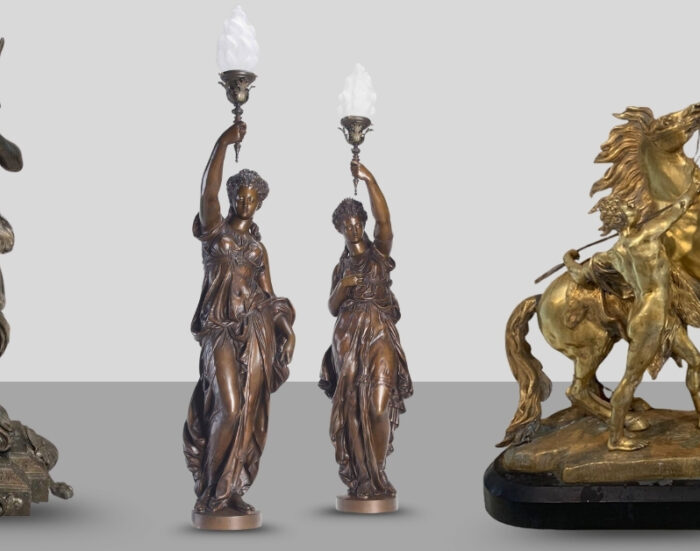
Where to Sell Bronze Statues: How to Find Antique Bronze Sculpture Buyers and Maximize Value
Bronze statues have long attracted collectors and historians—especially in New York, Connecticut, and New Hampshire, where art and history are part of daily life. Wander through any local market or estate sale in these areas, and you’ll spot bronze statues with rich patinas and intricate details. Whether you’ve inherited an old bronze statue or found a bronze statue antique in a quirky shop, understanding how much a bronze statue is worth and knowing where to sell bronze statues can transform your experience. The journey from attic to auction when selling bronze statues can be rewarding.
This guide covers how to determine your bronze statue’s value, find reputable buyers, and navigate the selling process with confidence.
Understanding the Value of Bronze Statues
A common question is, “How much is a bronze statue worth?” Several factors influence its value:
- Age: The age of bronze plays a crucial role in determining its value. Antique bronze statues, especially those from notable periods or renowned bronze statue makers, tend to command higher prices.
- Condition: An old bronze statue in excellent condition will be more valuable than one with visible damage or repairs.
- Provenance: Statues with a documented history, especially if linked to renowned bronze statue makers or prominent collections, can fetch premium prices.
- Artistry and Maker: The reputation of bronze statue makers and the quality of craftsmanship significantly impact value.
- Material: Genuine bronze statues are more valuable than spelter figurines, which are often mistaken for bronze but made from a less valuable metal.
If you are unsure what your statue might be worth, seek a qualified appraiser who specializes in antique bronze sculptures. A professional familiar with the local market can provide an accurate valuation.
Where to Sell Bronze Statues (and Antique Bronze Sculptures)
Selecting the right venue is essential when selling bronze statues. Whether you’re wondering where to sell bronze statues locally or online, or searching for antique bronze sculpture buyers, consider these effective options:
Auction Houses
Reputable auction houses—like Doyle in New York or Northeast Auctions in Portsmouth—attract serious collectors and antique bronze sculpture buyers. They provide appraisals and access to global bidders. If your bronze statue antique or old bronze statue has significant value or provenance, an auction house is often your best option. Always mention if your item is genuine bronze rather than a spelter figurine. Some auction houses feature dedicated sections for antique bronze statues and antique bronze sculptures, targeting the right audience.
Antique Dealers and Galleries
Antique shops and galleries in New York, Connecticut, and New Hampshire regularly handle antique bronze statues and antique bronze sculptures, attracting both seasoned collectors and newcomers. Partnering with a knowledgeable dealer opens doors to buyers who appreciate bronze artistry, including antique bronze sculpture and bronze statue makers. Local art fairs or antique shows are also excellent places to find someone who buys bronze statues.
Specialized Bronze Statue Makers and Restorers
Sometimes, the best home for an old bronze statue is with a bronze statue maker or restorer—someone who sees beyond the tarnish and can restore its value. Reach out to local artisans or bronze statue makers; their passion for antique bronze sculptures helps preserve these works.
How to Prepare Your Bronze Statue for Sale
Take these steps before listing your bronze statue to maximize its value:
- Clean Carefully: Wipe your statue gently with a soft cloth. Avoid harsh chemicals that can damage the patina.
- Document Everything: Gather any paperwork, provenance, or receipts related to the statue. Detailed documentation can significantly boost buyer confidence.
- Photograph Thoroughly: Take clear photos from all angles, showing details and any flaws. Honest images build buyer trust.
- Get an Appraisal: If you’re unsure about value or authenticity, seek a professional appraiser, especially for antique bronze sculptures.
Antique Bronze Statues vs. Spelter Figurines
Spelter figurines, made from a zinc alloy, were popular as affordable alternatives to bronze but are less valuable and less durable than genuine bronze statues. Always accurately describe your item when selling bronze statues.
Who Buys Bronze Statues and Antique Bronze Sculptures?
The market for bronze statues is broad and lively. Antique bronze sculpture buyers include:
- Art collectors seeking rare or unique pieces
- Museums interested in expanding their collections
- Interior designers sourcing statement art for clients
- Bronze statue makers and restorers who specialize in the age of bronze and antique bronze sculptures
- Investors looking for appreciating assets
Reach out through auction houses, antique shops, or social media groups to increase your chances of selling bronze statues or finding who buys bronze statues. The right approach helps you find the best buyer.
Frequently Asked Questions
Q: How do I know if my bronze statue is antique?
A: Look for signs of age such as patina, maker’s marks, and historical documentation. Consult with experts if needed.
Q: Can I sell a damaged or restored bronze statue?
A: Yes, but disclose all repairs or damage. Honest representation builds trust with buyers.
Q: How do I find reputable antique bronze sculpture buyers?
A: Research credentials, ask for references, and check reviews. Auction houses, well-known antique dealers, and established online platforms are good places to start.
Conclusion
Selling bronze statues or antique bronze sculptures is about preserving art and history. Whether your bronze statue is a masterpiece, a bronze sculpture, or simply meaningful, knowing where to sell bronze statues, how much a bronze statue is worth, and how to connect with reputable antique bronze sculpture buyers will help you succeed. With the right strategy, your statue will find the right home and its legacy will continue.

The Golden Age of Coin Collecting: Navigating the 2026 Precious Metals Market
Remember when your grandpa’s dusty coin collection seemed like nothing more than a quirky hobby? Well, grab your loupe and polish your monocle, because 2026 is shaping up to be a numismatist’s dream come true. Whether you’re a seasoned collector or just dipping your toes into the glittering world of precious metals, this guide will help you navigate the ins and outs of gold and silver coins, bullion appraisals, and everything in between.
Riding the Silver Tsunami
Hold onto your hats, folks, because silver is about to make waves. Analysts are predicting a stellar year for this lustrous metal, with prices potentially soaring between $28 and $40 per ounce in 2026. What’s driving this silver surge, you ask? A perfect storm of industrial demand (think green tech and electric vehicles), expected central bank rate cuts, and a growing appetite for silver investments from both big-time institutions and everyday Joes like us.
But wait, there’s more! The silver market is expected to face its fifth consecutive year of supply deficit in 2026. In layman’s terms, that means demand is outstripping supply, which is music to the ears of silver stackers everywhere.
Gold: Still the King of Bling
Not to be outdone by its shinier cousin, gold is also set to dazzle in 2026. Forecasts suggest bullion prices could hit a whopping $2,750 to $2,810 per ounce. Central banks are gobbling up gold like it’s going out of style, and demand from Eastern markets is showing no signs of slowing down.
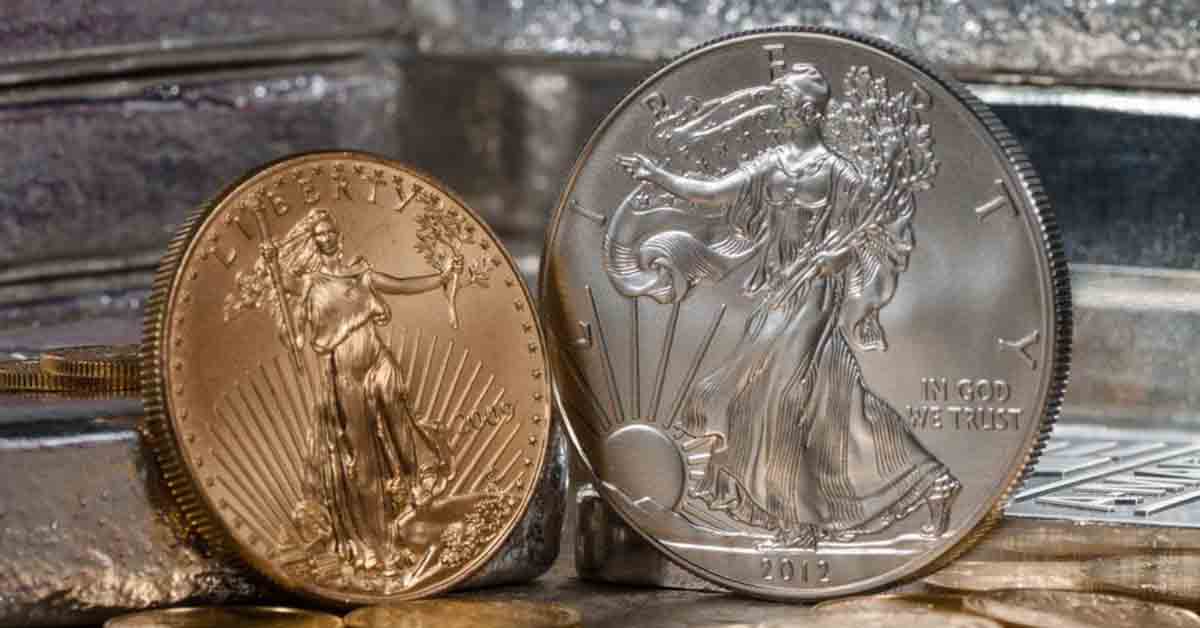
Gold and silver: The dynamic duo of precious metals – source
Gold and Silver Coins Buyers: Choosing Your Champion
So, you’ve decided to cash in on your coin collection or part with some precious metals. But where do you turn? In the battle of local vs. online buyers, each has its merits:
- Local Heroes: Selling to a local buyer in 2026 offers some serious perks. You’ll get personalized service, quick appraisals, and cold, hard cash in your hand faster than you can say “numismatic.” Plus, local buyers often have their finger on the pulse of regional market trends, potentially leading to better offers.
- Online Options: Platforms like antiqueappraisersauctioneers.com offer the convenience of online appraisals for everything from gold coins to old paper money. It’s like having a team of experts in your pocket, minus the uncomfortable bulge.
The Art of the Appraisal: Gold and Silver Bullion Appraisals
Getting an accurate appraisal is crucial, especially when dealing with numismatic or antique coins that might be worth more than their weight in gold (literally). Here’s what you need to know:
- Professional Appraisals: Don’t trust your valuable coins to just anyone with a scale and a calculator. Seek out reputable appraisers who know their stuff.
- Online Convenience: Services like antiqueappraisersauctioneers.com offer online appraisals, perfect for when you can’t be bothered to put on pants and leave the house.
- Numismatic vs. Bullion: Remember, not all coins are created equal. Bullion is valued primarily for its metal content, while numismatic coins can command premium prices for their rarity, condition, and historical significance.
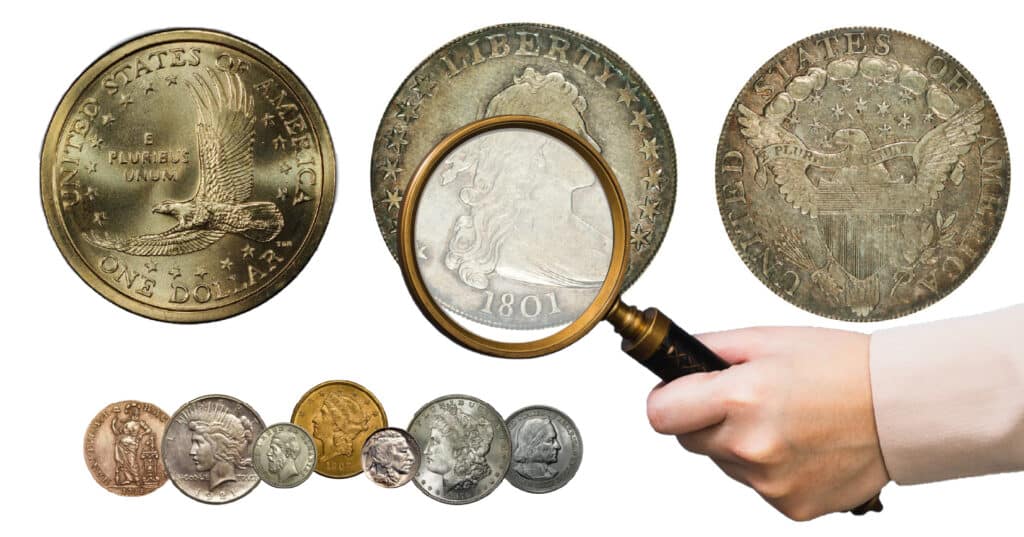
Examining the details: The key to accurate coin appraisal – source
Silver Coin Appraisal Online: The Future is Now
Gone are the days of schlepping your silver coins to a dingy pawn shop. Online silver coin appraisals are revolutionizing the game, offering expert opinions at the click of a button. Just snap some high-quality photos, provide detailed descriptions, and voila! You’ll have a professional appraisal faster than you can polish a Morgan dollar.
Gold Coin Appraisal Online: All That Glitters
Not to be left behind, gold coin appraisals have also entered the digital age. Whether you’re sitting on a stack of American Gold Eagles or a rare Byzantine solidus, online appraisal services can help you determine their true value. Just remember, when it comes to gold coins, condition is king. A tiny scratch can mean the difference between a good payday and a great one.
Certified Coins: The Cream of the Crop
In the world of coin collecting, certification is like a VIP pass to the hottest club in town. Certified coins often fetch higher prices and are in high demand among serious collectors. If you’re lucky enough to own certified coins, make sure to highlight this fact when selling. It’s like having a gold star on your numismatic report card.
Old Paper Money: Not Just for Monopoly Anymore
Don’t forget about those dusty old bills tucked away in your great-aunt’s attic. Old paper money can be surprisingly valuable, and many appraisal services now offer valuations for these historical treasures. Who knows? That crumpled $2 bill might just be your ticket to a numismatic jackpot.
The Ethics of Bling: A New Frontier
In 2026, it’s not just about the shininess of your coins or the purity of your bullion. Ethical sourcing is becoming increasingly important to buyers, who are willing to pay a premium for metals with a clean conscience. If your coins or bullion come with documentation proving their ethical origins, you might just hit the numismatic lottery.
Wrapping Up: Your Roadmap to Numismatic Success
As we navigate the exciting world of precious metals in 2026, keep these key points in mind:
- Silver and gold prices are expected to shine bright, with silver potentially hitting $40/oz and gold reaching $2,810/oz.
- Choose between local and online buyers based on your needs for personalized service or convenience.
- Get professional appraisals, especially for numismatic or antique coins.
- Don’t overlook the value of certification and ethical sourcing documentation.
- Stay informed about market trends to time your sales for maximum value.
Whether you’re a seasoned collector or a curious newcomer, the world of gold and silver coins has never been more exciting. So polish up those precious metals, do your homework, and get ready to ride the golden wave of 2026. Happy collecting, and may your coins always be certified and your bullion ethically sourced!
Ready to turn your coin collection into real value? Trust Antique Appraisers Auctioneers—your coin-collecting experts offering accurate appraisals, seamless auctions, and top offers for both gold and silver bullion in 2026.
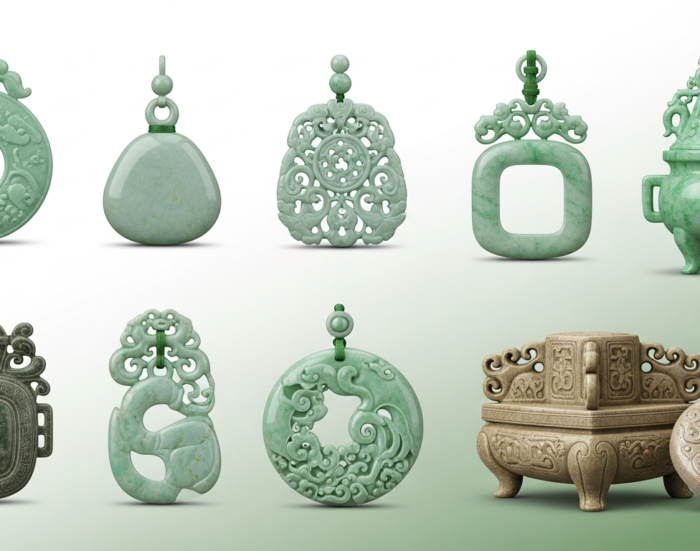
Antique Jade: A Buyer’s Guide
Jade, the enigmatic gemstone that has captivated civilizations for millennia, continues to bewitch collectors and enthusiasts alike. Whether you’re a seasoned jade buyer or a curious newcomer, this guide will illuminate the fascinating world of antique jade, from its ancient origins to its modern-day allure.
What is Jade? More Than Meets the Eye
Contrary to popular belief, jade isn’t a single stone but a term encompassing two distinct minerals: nephrite and jadeite. These tough, ornamental stones have been prized for their beauty and durability since time immemorial.
Nephrite, a calcium magnesium iron silicate, is the OG of jade. It’s been the go-to material for tools, ornaments, and ceremonial objects in ancient cultures, particularly in China. On the other hand, jadeite, a sodium aluminum silicate, is the flashy newcomer, bursting onto the scene in the late 1700s and quickly becoming the darling of the jade world due to its vibrant colors and translucency.
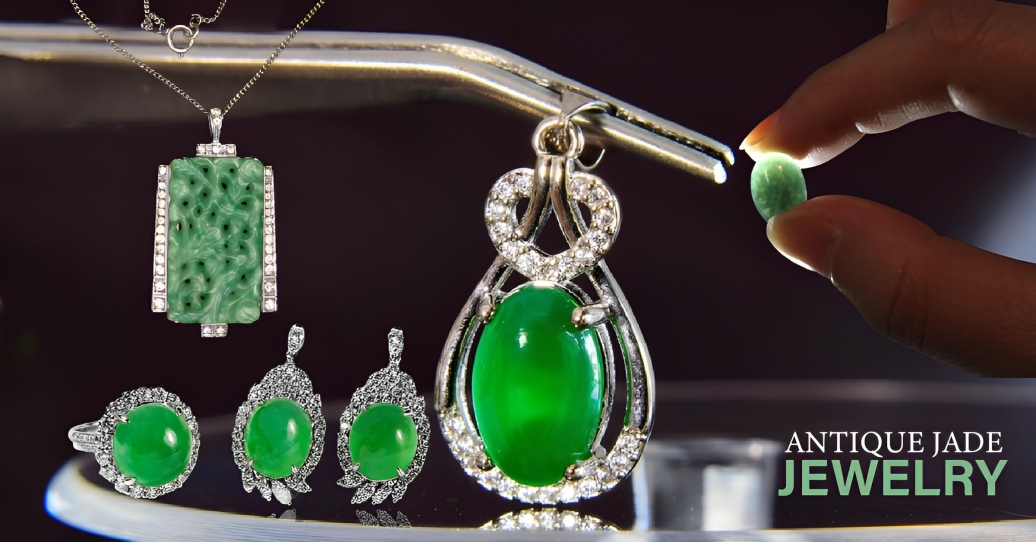
How Old is Antique Jade? A Journey Through Time
When we talk about antique jade, we’re not just talking about your grandmother’s jewelry. We’re diving deep into the annals of human history. The earliest jade artifacts date back to the Neolithic period, circa 3500–2070 BCE. That’s right, while our ancestors were still figuring out agriculture, they were already carving jade.
In fact, jade production in China began over 7,000 years ago, around 5000 BCE. To put that in perspective, that’s before the invention of the wheel, writing, or even beer (gasp!). The evolution of jade carving is a testament to human ingenuity, spanning multiple Chinese dynasties and reflecting cultural and technological advancements over millennia.
The Crème de la Crème: Most Valuable Antique Jade Types
- Nephrite jade: The classic choice, often found in older artifacts from ancient China.
- Jadeite jade: The rare beauty, imported from Burma (Myanmar) and prized for its vivid colors.
- Imperial Jade: The crème de la crème, a translucent emerald-green jadeite that can fetch astronomical prices.
The most valuable antique jade pieces are those that combine exceptional craftsmanship, historical significance, and high-quality material. Pieces from renowned periods such as the Qing Dynasty or earlier Chinese dynasties are particularly sought after.
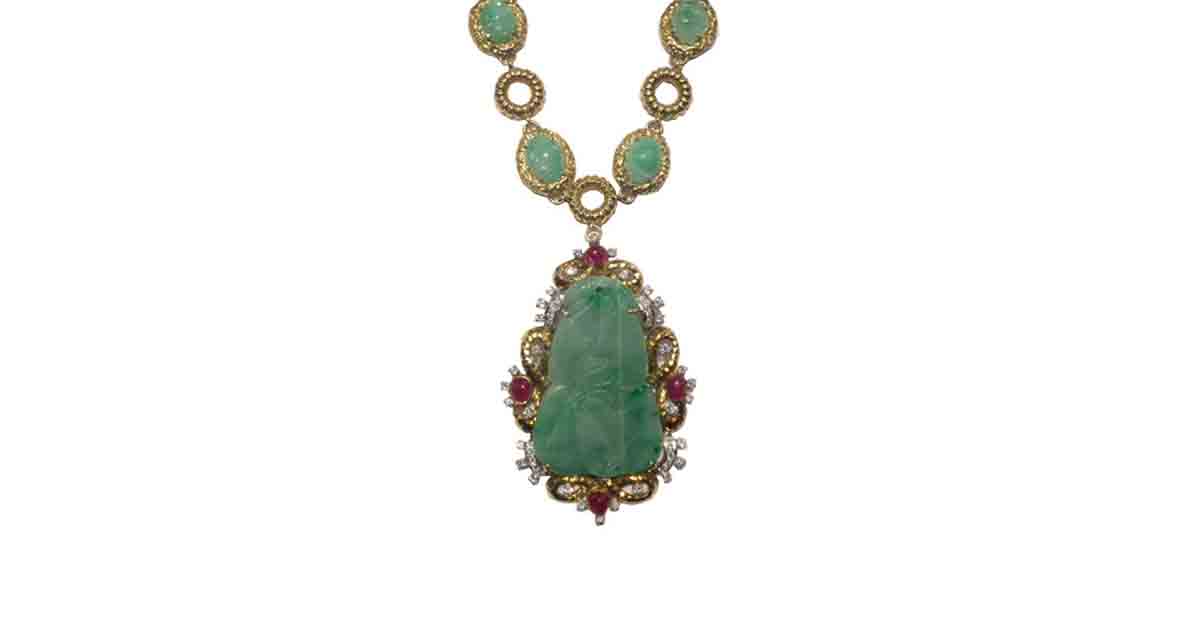
Spotting the Real Deal: How to Identify Antique Jade
- Material type: Distinguishing nephrite from jadeite requires gemological tests.
- Craftsmanship: Look for hand-carved details, signs of age, and traditional techniques like piercing and inlay.
- Patina and wear: Genuine antique jade typically has a natural surface patina from age and handling.
- Provenance and style: Consider the historical context and stylistic features consistent with known periods and cultures.
- Advanced testing: When in doubt, spectroscopy and refractive index tests can confirm authenticity.
Remember, if it looks too good to be true (or too cheap), it probably is. Authentic antique jade is rare and valuable, so be wary of suspiciously low-priced “antiques.”
Old vs. New: Antique vs. New Jade Value
While new jade can be valuable, especially high-quality jadeite, it generally can’t hold a candle to antique pieces in terms of market value. Antique jade commands higher prices due to its rarity, historical significance, and often superior craftsmanship.
The market values jade based on a combination of factors:
- Age
- Quality of the stone
- Rarity
- Artistic merit
So while that modern jade bangle might be beautiful, it’s unlikely to appreciate in value like a genuine antique piece.
The Building Blocks: What is Jade Made Of?
At its core, jade is a testament to the beauty of geology. Let’s break it down:
- Nephrite: A fibrous, microcrystalline variety of the amphibole mineral actinolite-tremolite.
- Jadeite: A pyroxene mineral composed of sodium and aluminum silicate.
Both types are incredibly tough, which is why our ancestors found them so useful for tools and ornaments. This toughness is also why jade artifacts have survived for thousands of years, allowing us to admire and study them today.
More Than Just a Pretty Stone: Jade Symbolism
In many cultures, particularly Chinese, jade is more than just a gemstone—it’s a symbol laden with meaning. Here’s a quick rundown of jade symbolism:
- Purity and clarity of mind
- Virtues: benevolence, wisdom, courage, and justice
- Happiness: Often represented by a bat motif
- Long life: Symbolized by butterflies
- Power and prosperity: Represented by dragons
- Immortality: Depicted through peach motifs
- Heaven: Symbolized by the Bi disk
Jade has been called the “royal gem” in China, associated with status, health, and spirituality. It’s not just a stone; it’s a cultural touchstone.
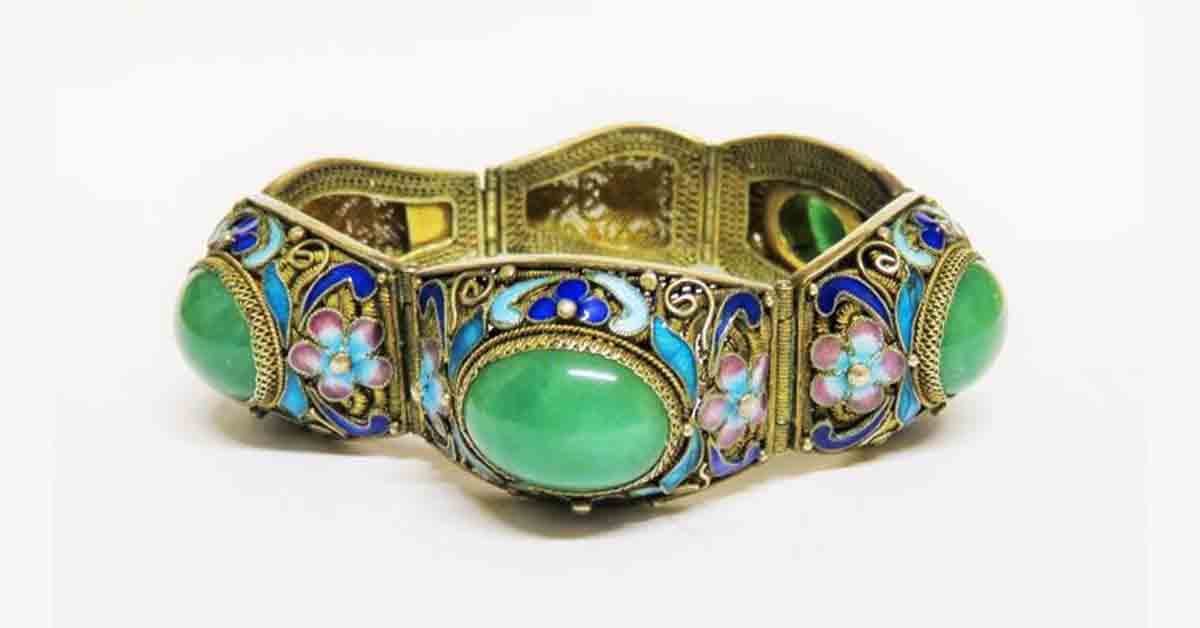
The Many Faces of Jade: Types of Jade
While we’ve mainly discussed nephrite and jadeite, it’s worth noting that jade comes in various forms and colors. Here’s a quick comparison:
| Type | Composition | Characteristics | Historical Use |
|---|---|---|---|
| Nephrite | Calcium magnesium iron silicate | Usually creamy white to greenish, tough and dense | Used extensively in ancient China for tools, ritual objects, and jewelry |
| Jadeite | Sodium aluminum silicate | More vibrant colors (green, lavender, white), rarer and more valuable | Became prominent in China from late 1700s, prized for jewelry and carvings |

Wrapping Up: The Enduring Allure of Antique Jade
From Neolithic tools to imperial treasures, jade has been a constant companion in human history. For jade buyers and antique enthusiasts, understanding the depth and breadth of this remarkable stone opens up a world of beauty, history, and investment potential.
Whether you’re looking to start a collection, find that perfect piece, or simply appreciate the artistry of ancient craftsmen, antique jade offers a tangible connection to our past. So the next time you encounter a piece of jade, take a moment to consider its journey—it might just be older than civilization itself.
