


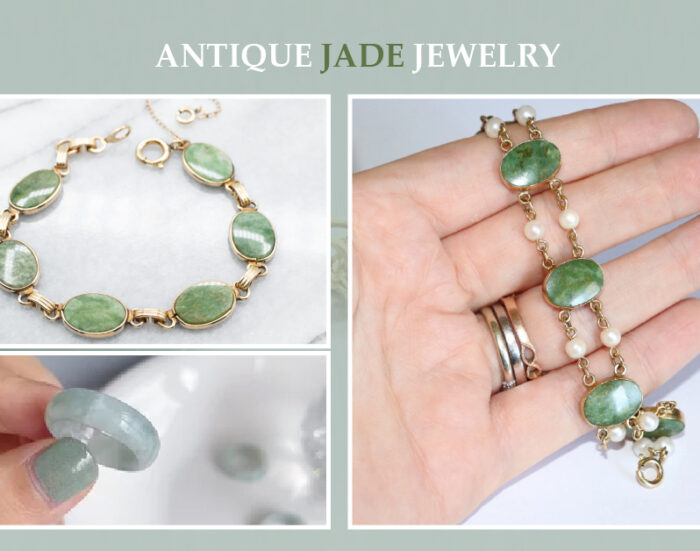
How To Clean and Protect Antique Jade Jewelry
Antique jade is a highly precious gemstone that is categorized into two primary types: jadeite and nephrite. These beautiful stones are most commonly recognized for their vibrant green color, although jade can naturally appear in several other shades as well. Throughout history, jade has been admired for both its beauty and durability. In ancient times, it was widely used for tools, weapons, carvings, and decorative objects, while today it remains one of the most desired gemstones for fine jewelry and collectibles. Many collectors of Chinese jade jewelry and antique jade jewelry appreciate jade not only for its appearance but also for its cultural and historical significance.
No matter how vivid or valuable antique jade jewelry may be, proper care and maintenance are essential to preserving its beauty and long-term value. Learning how to clean jade correctly can help protect the surface of the stone and maintain its natural shine for generations. Whether you own antique pendants, rings, necklaces, or a cherished jade bracelet, gentle cleaning and safe storage practices are extremely important.
If you are searching for information on how to clean jade jewelry or how to safely maintain antique jade pieces, the following professional care tips can help you avoid unnecessary damage while keeping your jewelry looking elegant and polished.
Proven Tips To Clean And Protect Chinese Antique Jade
Treated or untreated jade antiques can generally be cleaned using the same gentle cleaning process. Some treated jade pieces go through enhancement methods such as dyeing or polymer impregnation to improve brightness and translucency. Because of this, harsh cleaning methods should always be avoided. Understanding how to clean jade stone properly is important, especially for antique and collectible pieces that may be more delicate due to age.
Without taking too much of your time, below are several simple and effective methods for cleaning and protecting your Chinese jade items safely at home.
Cleaning Tips For Jade Jewelry
1. Prepare A Gentle Cleaning Solution
Take a bowl of warm water and mix in a mild soap solution. Avoid using strong detergents, bleach, ammonia, or chemical jewelry cleaners, as these may damage the jade surface over time.
2. Soak The Jewelry Carefully
Place the loose jade stone, jade pendant, necklace, ring, or jade bracelet into the warm soap solution and allow it to soak for approximately 5–10 minutes. This helps loosen surface dirt and oils naturally.
3. Use A Soft Brush For Cleaning
Take a soft-bristled brush and gently scrub the stone. If necessary, a toothpick or cotton swab may be carefully used to remove dirt trapped in small crevices or detailed carvings. This method is especially helpful for people researching how to clean jade jewelry without scratching delicate antique settings.
4. Rinse With Clean Water
Wash the jewelry thoroughly with fresh running water to remove any remaining soap residue. Make sure no cleaning solution is left behind, particularly around metal settings or decorative details.
5. Dry And Polish Properly
Pat dry using a soft cotton cloth or towel. Some collectors lightly polish jade using a small amount of canola oil to enhance brilliance and shine. After polishing, wipe away all excess oil with a lint-free cloth to prevent dust, dirt, or grease buildup.
These simple methods can help safely clean jadeite jewelry while maintaining the natural beauty and luster of the gemstone. Whether you are learning how to clean jade stone surfaces or maintain antique carved pendants, gentle care is always the safest approach.
Important Tips To Protect Antique Jade Jewelry
Cleaning is only one part of preserving antique jade. Proper handling and storage also play a major role in protecting your jewelry collection.
- Never use harsh chemicals or ultrasonic cleaners on jade jewelry.
- Avoid exposing jade necklaces or bracelets to chlorine while swimming.
- Store jade jewelry separately in a soft jewelry box wrapped in cotton or fabric.
- Keep antique jade away from excessive heat and direct sunlight for long periods.
- Remove jade jewelry before heavy physical activities to prevent accidental cracks or chips.
These protection tips are especially important for collectors of antique jade jewelry, as older pieces may contain delicate carvings, settings, or natural age-related wear.
How To Tell If Chinese Jade Jewelry Is Real
Many people inherit or purchase jade items without knowing whether the piece is genuine jadeite, nephrite, treated jade, or imitation stone. Authentic Chinese jade jewelry can carry significant collectible and historical value depending on its age, craftsmanship, and quality. Understanding authenticity is also important for collectors researching how to sell jade and determine its fair market value.
We are experienced Chinese jade buyers in Connecticut known for trusted antique appraisal services and evaluations. Our expert appraisers can help determine whether your jade jewelry is authentic while also evaluating the rarity, quality, craftsmanship, and market value of the piece.
Whether you own antique pendants, carved jade sculptures, rings, or vintage bracelets, professional evaluations can help you better understand the history and value behind your jade collection. This can also help collectors who are searching for how to sell jade safely through trusted antique buyers and appraisal experts.
Therefore, we hope these jade cleaning and protection tips were useful and informative. By understanding how to clean jade safely and how to protect antique jewelry properly, you can preserve the beauty and elegance of your treasured gemstones for years to come.
Beautify yourself with dazzling jade jewelry.
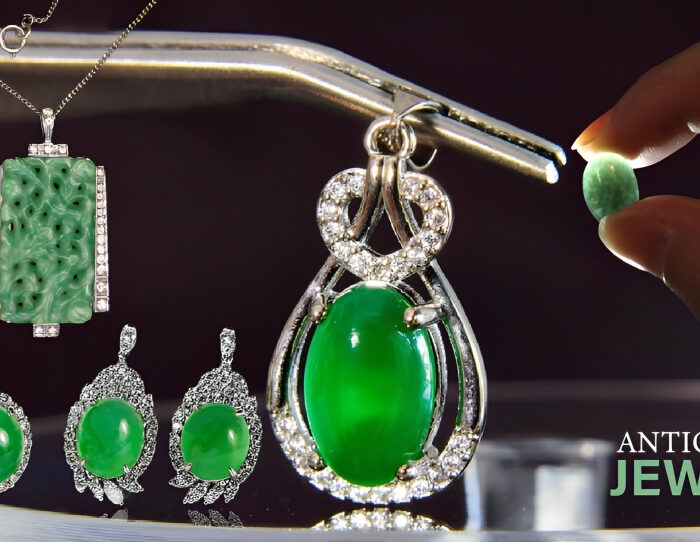
The Timeless Allure of Vintage & Rare Asian Green Jade
Vintage and Rare Asian Green Jade
Jade, the enigmatic green stone that has captivated hearts and minds for millennia, continues to enchant collectors, healers, and art enthusiasts alike. From its deep-rooted cultural significance to its purported healing properties, jade—particularly the rare and coveted Asian green variety—stands as a testament to nature’s artistry and human fascination.
A Stone of Imperial Proportions
When we speak of jade, we’re not just talking about any ordinary green gemstone. In Chinese culture, jade holds a status so revered that the character for ‘jade’ in Chinese writing is nearly indistinguishable from that of ’emperor’. This linguistic quirk is no coincidence—it reflects the stone’s paramount importance in Asian heritage.
For almost 8,000 years, jade has been an integral part of Chinese civilization. Initially, nephrite jade was the primary type used, prized for its smooth texture and subtle hues. However, the late 18th century saw a game-changer: the introduction of jadeite from Burma (modern-day Myanmar). This new variety, with its vibrant green color, quickly became the darling of the imperial court and the wealthy elite.
Not All Jade is Created Equal
Here’s a little secret for the uninitiated: when someone mentions “jade,” they could be referring to one of two distinct minerals—nephrite or jadeite. While both are spectacular in their own right, it’s jadeite that typically steals the spotlight in the world of vintage and rare Asian green jade.
Among jadeite enthusiasts, the holy grail is undoubtedly imperial jadeite. This specific shade of green is so highly prized that it can fetch prices rivaling those of the finest diamonds. But let’s not forget its colorful cousins: kingfisher jade, apple jade, and the poetically named moss-in-snow jade, each with its unique charm and value.
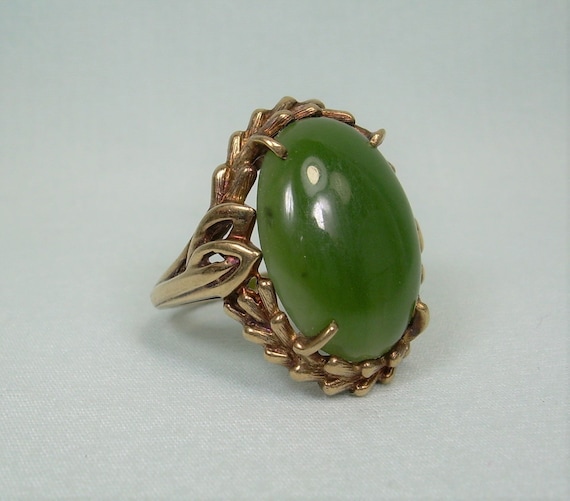
The Jade Trail: From Earth to Auction
If you’re wondering where to start your quest for the perfect piece of imperial green jade, all roads lead to Myanmar. The ‘Jade Tract’ in Myanmar’s Kachin State is the primary source of the world’s finest jadeite. While deposits exist in other countries like the USA, New Zealand, and Italy, Myanmar remains the undisputed champion of high-quality jadeite production.
But acquiring jade isn’t as simple as walking into a store and pointing at a pretty green rock. The buying and selling of imperial green jade often involve ancient rituals shrouded in secrecy. Picture this: bidders huddled around a table, hands concealed under a cloth, secretly signaling their bids. It’s not a scene from a spy movie—it’s just another day in the jade market.
More Than Just a Pretty Face: The Healing Side of Jade
While its beauty is undeniable, jade’s appeal extends far beyond the aesthetic. In the realm of alternative medicine and crystal healing, jade is a superstar. Believers tout its ability to cleanse the body of toxins, aid in physical healing, and balance bodily fluids.
Jade is often credited with supporting the kidneys and spleen, making it a favorite among those seeking natural remedies for filtration and elimination issues. It’s not uncommon to see jade incorporated into jewelry like energy bracelets and necklaces, worn by those hoping to harness its purported healing energy.
From Imperial Courts to Olympic Medals
Jade’s versatility is truly remarkable. In Asian art, particularly Chinese, you’ll find jade in various forms—jewelry, ornaments, figurines, and even everyday items like chopsticks and writing desk accessories. Its use as a decorative inlay in gilded bronze or gold jewelry showcases the stone’s ability to elevate any piece it adorns.

In a beautiful nod to tradition, the 2008 Olympic Games in Beijing featured jade in their medals, blending ancient symbolism with modern achievement.
Caring for Your Jade: A Labor of Love
If you’re fortunate enough to possess a piece of vintage or rare Asian green jade, proper care is crucial. To maintain its luster and supposed healing properties, clean your jade gently with a soft, damp cloth. Avoid harsh chemicals or abrasive materials that could damage the stone’s surface.
When not in use, store your jade in a cool, dry place away from direct sunlight. This precaution helps prevent fading or cracking, ensuring your precious stone remains as vibrant as the day it was carved.
More Than a Gemstone: A Symbol of Fortune
In many cultures, jade is more than just a beautiful stone—it’s a powerful symbol of abundance, prosperity, and good luck. Many believe that wearing or keeping jade nearby can ward off negative energy and attract fortune. Whether you’re a firm believer in crystal energy or simply appreciate the stone’s beauty, there’s no denying the positive vibes a piece of jade can bring to your life or space.

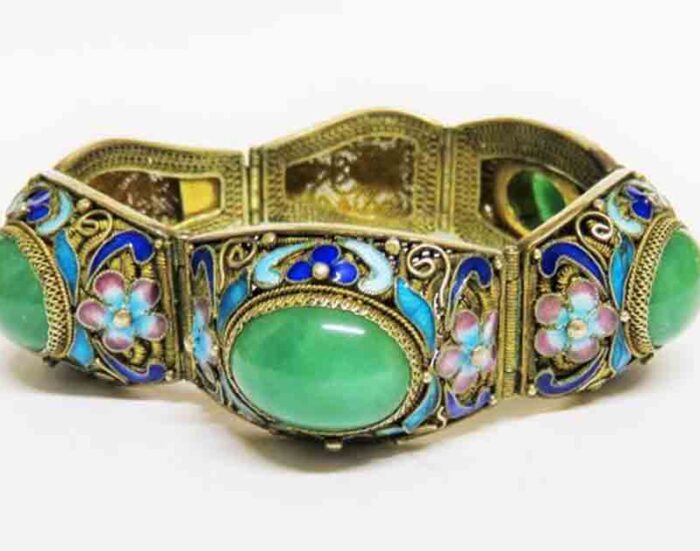
Exploring Exquisite Finds: Vintage & Rare Asian Green Jade
When you think of Jade, you likely conjure images of intricately carved oriental sculptures in antique emerald green. In recent years, vintage jade jewelry has become famous for its shiny and smooth bangles, earrings, and necklaces.
Jade is one of the oldest known gemstones and is a testament to nature’s artistry. Its unique qualities, including toughness, strength, and ultimate charm, make it a rare and precious find. For thousands of years, it has been sculpted into everything from vintage jade jewelry to tools, with each piece serving as a testament to its timeless allure.
Are you ready to impress your loved one with a Green Jade Jewelry?
Green Jade Jewelry can make a wonderful gift for your loved one. Jade is a popular gemstone for centuries due to its beauty and durability. It is believed to bring the wearer good luck, prosperity, and happiness. Green Jade, in particular, is associated with serenity, balance, and harmony. It looks stunning in various jewelry pieces, such as necklaces, bracelets, and earrings. Whether you are looking for a birthday present, an anniversary gift, or a token of affection, a piece of green jade jewelry can be a thoughtful and meaningful choice. For those who possess vintage pieces, an antique jade jewelry appraisal can provide insight into the item’s value and history, ensuring that it is cherished for its full worth.
Timeless Asian Jewelry- Jade Goes Beyond the Color of Green
In the early ages, Jade was considered a supreme material for tools and weapons production. As Jade has spectacular qualities of yielding different colors and could be effortlessly polished to bring out a brilliant glow, people began to carve Jade into ornamental objects & antique jade jewelry. This jewelry, often imbued with cultural significance, became treasured heirlooms. Jade is deeply integrated into several cultures, including the Asian culture; Asians believe that green Jade is an offering worthy of ancestors and Gods due to its medicinal properties. Jade was considered to possess five distinct virtues:
- Benevolence
- Bravery
- Clean and honest
- Righteousness
- Wisdom
In the early 3000 B.C., Jade was revered as a “Royal gem” in China—much like diamonds and gold, valued in Western countries. According to Chinese feng shui practice, Jade possesses a light, nourishing, and sweet energy with a soothing purity. Jade was worshiped as the most appreciated gemstone used to make good luck charms, attract friends, protect and support loving hearts, or create wealth.
Have you ever wondered what Estate Jewelry really means? What sets it apart and makes it truly antique? Let’s delve into the fascinating world of Estate Jewelry and discover its allure.
When you think about Estate vintage jewelry, it has to be pristine and should be acquired from estates. Estate jewelry may be antique (as old as or over a century old) or vintage (at least two decades old).
Estate antique and vintage jewelry pieces are stunning for day and night events.
Art Deco Era
The geometric, streamlined, stylized, and symmetrical jewelry of the Art Deco Era depicts the modern age and often involves involves diamonds, emeralds, rubies, and sapphires.
Art Nouveau Era
Although short-lived, the Art Nouveau Era left its mark with its curving, dynamic, flowing, and rippling features. Today, they are one of the most sought-after vintage jewelry.
Victorian Era
Renowned for its sense of romance and sentimentality, Victorian-era estate jewelry depicts the life (youth, courtship, and marriage) of Queen Victoria, coupled with natural designs etched in gold. Estate jewelry of this era may include brooches and lockets. While gemstones were readily affordable in this dispensation, diamonds, gold, platinum, and silver became integral parts of the craftsmanship of the Victorian era.
Professional Antique Auctioneer at Antique Appraisers Auctioneers
Antique Auctioneering defines the sale of antique jewelry by skilled professional auctioneers. By taking bids and selling several items in an auction, professional antique auctioneers are equipped to ensure the smooth transfer of antique jewelry to new owners.
Typically, a catalog listing the items for sale is available to all attendees at the auction’s beginning. In addition to becoming a specialist in antique jewelry and a shrewd businessperson, a professional antique auctioneer must be appreciative and knowledgeable about antique jewelry pieces. They must also be ready to examine them to evaluate their age, condition, origin, and quality, confer with experts and historians, assure the authenticity and proof of ownership of each piece, and keep detailed records of all pieces.
Estate Jewelry Buyers in Connecticut, New York
Be it antique or vintage jewelry, for estate jewelry buyers, in addition to the attraction to the history of each piece of jewelry, there is the thrill of sharing its history. Also, possessing estate jewelry is a means of honoring the craftsmanship and talent of that era while being simultaneously transported to that time and place to share in the special moment when that piece of jewelry meant something special to its original owner.
At Antique Appraisers Auctioneers, we pride ourselves on being the oldest antique buyers in New York and Connecticut. Our team of experts is ready to handle your queries online. Simply send us photos with a detailed description, and our experts will provide a free quote, ensuring you have all the information you need to make an informed purchase.
