



Where to Sell Antiques Locally for Cash in Connecticut & New York
Do you have valuable antiques, collectibles, or family heirlooms you’re ready to sell? If you’re wondering where to sell antiques locally for cash in Connecticut & New York, finding the right buyer is essential to getting the best value for your items. Whether you’re downsizing, settling an estate, decluttering your home, or simply looking to turn antiques into cash, knowing where to sell antiques locally can help you avoid low offers and connect with experienced buyers. From antique dealers and auction houses to professional appraisers, there are several options available throughout Connecticut and New York. In this guide, we’ll explore the best places to sell antiques locally, how to maximize your item’s value, and what to expect during the selling process so you can make an informed decision with confidence.
1. Local Antique Shops: The Traditional Route
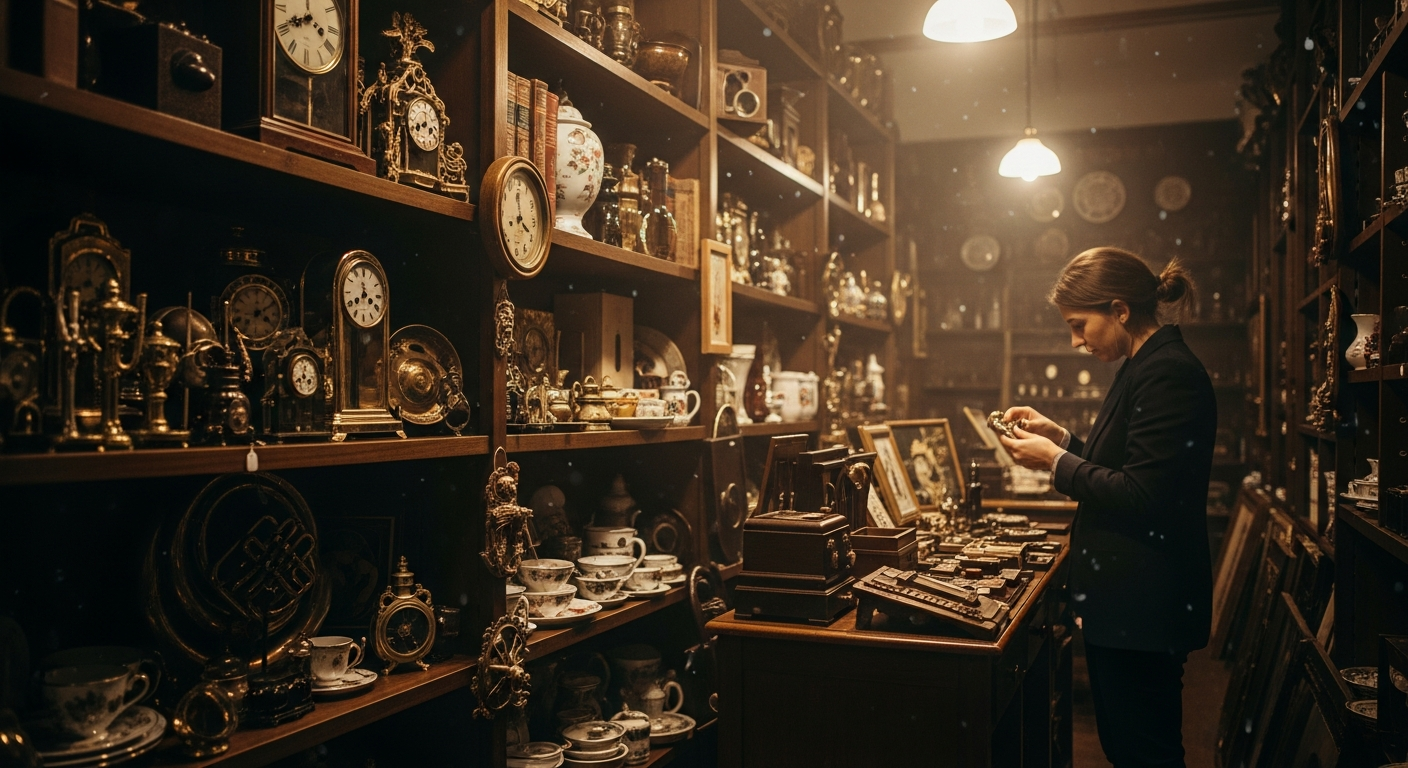
Antique shops are a common first stop for selling vintage items. Local shop owners usually know the market well and can quickly tell you what your antiques are worth. The process is simple: bring in your items, get them appraised, and receive an offer. Some shops buy items right away, while others offer consignment. With consignment, the shop displays your antiques and pays you only if they sell, taking a commission of 30% to 50%. If your items don’t sell in the agreed time, you may need to pick them up or discuss new terms. Knowing these details can help you decide if consignment is right for you.
Pros:
-
Immediate, face-to-face interaction
-
Professional appraisals on the spot
-
Potential for ongoing relationships with dealers
Cons:
-
Offers may be lower because dealers need to resell at a profit.
-
Not all shops accept every type of antique.
2. Antique Appraisers and Auctioneers: Expert Valuation and Exposure
If you want a professional and reliable way to sell, working with antique appraisers and auctioneers is a good option. Companies like Antique Appraisers Auctioneers focus on evaluating, marketing, and selling a wide range of antiques. Their experience helps you get a fair price, and their network connects you with serious buyers.

Benefits of Using an Auctioneer/Appraiser:
-
Accurate, honest appraisals
-
Access to a wide buyer network
-
Potential for competitive bidding at auctions
-
Guidance on how to present your items for maximum value
If you’re not sure about the value or authenticity of your antiques, it’s important to start with a professional appraisal. These experts can also help you choose the best way to sell, whether that’s a private sale, auction, or consignment.
3. Local Flea Markets and Antique Fairs
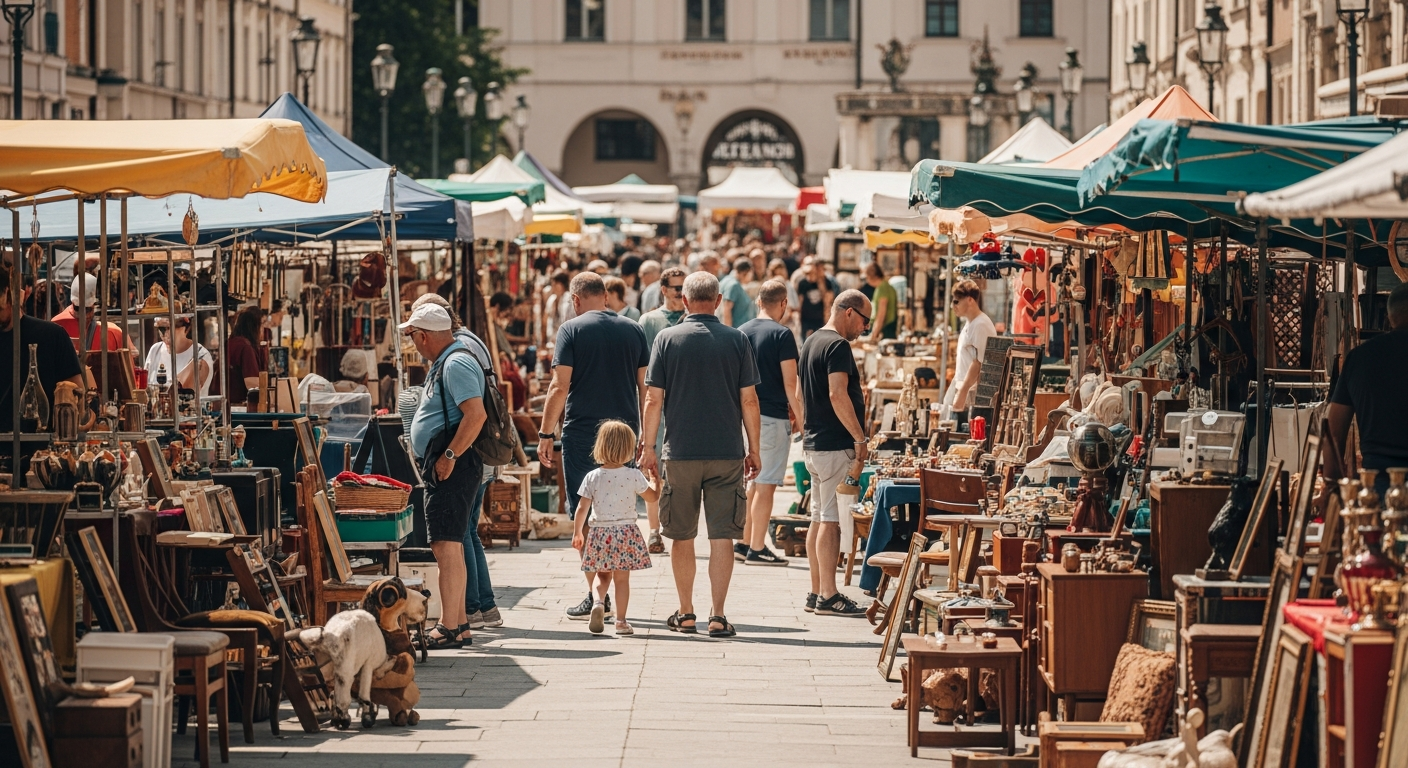
Flea markets and antique fairs are vibrant community events that attract collectors and casual buyers alike. Renting a booth or partnering with a vendor allows you to showcase your antiques to a wide audience. These venues are perfect for selling smaller items, collectibles, or pieces with broad appeal.
Tips for Success:
-
Present your items attractively.
-
Be prepared to negotiate.
-
Research pricing beforehand to set fair, competitive prices.
4. Estate Sales and Garage Sales
If you have multiple antiques or an entire collection, hosting an estate or garage sale can be an efficient way to sell locally. Estate sale companies can handle everything from pricing and marketing to managing the sale itself. This approach works best if you’re moving or liquidating a household.
Advantages:
-
Sell multiple items at once
-
Attract local buyers interested in antiques.
-
Less need for transport and logistics
5. Community Boards and Local Online Marketplaces
If you’re researching where to sell antiques locally, online marketplaces such as Facebook Marketplace, Craigslist, and neighborhood apps like Nextdoor can help connect you with buyers in your area. These platforms may work well for common collectibles and lower-value antiques, but they often require you to handle pricing, negotiations, and meeting buyers yourself. For valuable antiques, rare collectibles, estate pieces, or family heirlooms, many sellers in Connecticut and New York prefer working with experienced antique buyers, appraisers, or auction professionals who can provide a fair evaluation and help determine the true market value of an item. Regardless of which option you choose, always prioritize safety by meeting in secure public locations and using trusted payment methods.

Safety Tips:
-
Meet in public places.
-
Accept secure forms of payment.
-
Be cautious with high-value transactions.
6. Consignment Stores
Consignment stores give your antiques a professional display and help with selling. Your items are shown in the store, and you get a share of the sale price when they sell. This hands-off method is good if you don’t want to handle the selling process yourself.
Considerations:
-
Store takes a commission, typically 30-50%
-
Items may take time to sell
Why Choose Antique Appraisers Auctioneers?
If you’re searching for a trustworthy local partner, Antique Appraisers Auctioneers is an excellent choice. With decades of experience, they provide personalized service, accurate appraisals, and a transparent selling process. Whether you have fine art, jewelry, furniture, or rare collectibles, their team can guide you every step of the way.
Here’s what sets them apart:
-
Free verbal appraisals
-
Confidential, no-obligation consultations
-
Estate liquidation services
-
Decades of experience in the antique market
Final Thoughts
Selling antiques locally means finding the right place and trusted people who will value and appreciate your items. Start with an appraisal, then choose between shops, fairs, estate sales, or online marketplaces. Research each option to see what fits your needs best. With good planning and expert help, your antiques can find new owners and create new opportunities in areas like Connecticut & New York, where antique markets are highly active.
Visit Antique Appraisers Auctioneers to schedule your free professional appraisal and start selling your antiques locally with expert help. For the best valuation, bring clear photos, any background information, and details like age, maker, and previous owners. Being prepared helps your treasures get the right assessment. Let your antiques work for you!
How Can I Sell My Antiques Fast?
Do you have a collection of special antiques just sitting around, waiting for a new home? Whether you’re trying to clear some space, raise money, downsize your collection, or pass on your treasures to a new generation, selling antiques doesn’t have to be a big hassle. Many people often ask questions like how can I sell my antiques fast, how do I sell my antiques, or where to sell antiques locally. The good news is that there are several easy and effective ways to find the right buyers.
In this guide, we’ll look at simple and effective ways to sell your antiques quickly, from finding the best places to sell to creating attractive listings and getting the right price for your valuable pieces.
1. Where to Sell Antiques: Finding the Perfect Place
The first step in selling my antiques successfully is choosing the right place to reach serious buyers. Different selling options work better for different types of antiques.
1A. Online Antique Markets
Websites like eBay, Etsy, and Ruby Lane give you access to a large audience of collectors and antique enthusiasts. These platforms are excellent if you’re wondering how to sell your antiques online and reach buyers outside your local area.
You can connect with people around the world who are actively looking for unique vintage and antique items. Make sure your listings include:
- Clear, high-quality photos
- Detailed descriptions
- Measurements and condition details
- A little history or background about your antiques
Well-written listings can help your antiques sell faster and attract more serious buyers.
1B. Local Antique Shops and Dealers
If you are searching for where to sell antiques locally, local antique shops and experienced dealers can be a great option. This works especially well for rare, valuable, or collectible items.
Visit nearby antique stores, introduce yourself to dealers, and ask whether they are interested in buying your antiques outright or selling them on consignment. Building relationships with local antique buyers can make future sales much easier.
1C. Consignment Shops and Auction Houses
Consignment shops and auction houses are another smart option for people asking how to sell my antiques quickly and professionally. These experts understand market trends and often already have networks of interested buyers.
While they may charge a commission, their experience, marketing reach, and ability to attract collectors can often help you get better offers for valuable antiques.
2. Where to Get Antiques Appraised Near Me: Finding the Experts
Before selling, it’s important to understand the true value of your antiques. Proper appraisals help you avoid underpricing valuable pieces and give buyers confidence.
2A. Local Appraisal Services
Look for professionals who specialize in the type of antiques you own. Search online directories, contact local antique associations, or read customer reviews to find trusted appraisal experts near you.
Professional appraisals are especially helpful if you’re planning on selling antiques online or through auction houses.
2B. Recommendations from Antique Enthusiasts
Connect with antique collectors and enthusiasts through online forums, Facebook groups, social media communities, or antique events. They can often recommend reliable appraisers and local antique buyers with strong reputations.
2C. Antique Shows and Appraisal Events
Attend antique shows, flea markets, and appraisal events in your area whenever possible. Many of these events feature experts who can evaluate your antiques on the spot.
This can also be a great opportunity to meet collectors and people interested in buying antiques locally.
3. How to Sell Antiques: A Step-by-Step Guide
Now that you’ve found the right place and learned the value of your items, let’s go over the steps for selling antiques quickly and successfully.
3A. Understanding the Value
Use information from your appraisal along with your own market research to determine fair pricing. Consider:
- Current demand
- Historical significance
- Condition
- Rarity
- Comparable recent sales
Understanding these factors will help you price your antiques competitively.
3B. Creating Great Listings
Whether you’re selling online, posting on marketplaces, or creating flyers for local antique shops, presentation matters.
Use bright, detailed photos that highlight the uniqueness and craftsmanship of your antiques. Write descriptions that explain:
- The history of the item
- Important markings or signatures
- Age and condition
- Why the piece is collectible or valuable
Strong listings help build trust and increase buyer interest.
3C. Pricing to Sell
If your goal is a quick sale, pricing strategically is important. Many people searching how can I sell my antiques fast find that competitive pricing attracts more buyers and faster offers.
You can also:
- Offer bundle deals
- Provide discounts for multiple purchases
- Be open to reasonable negotiations
Finding the right balance between fair value and buyer interest can speed up the selling process.
Final Thoughts
Selling antiques doesn’t have to feel overwhelming. Whether you’re selling a single family heirloom or an entire collection, understanding how to sell my antiques the right way can make the process smoother and more profitable.
From online marketplaces and auction houses to local antique dealers and appraisal events, there are many options available depending on your goals. If you’ve been wondering where to sell antiques locally or how do I sell my antiques fast, the key is choosing the right platform, presenting your items professionally, and pricing them wisely.
With patience, research, and the right strategy, your antiques can quickly find the perfect new home.
