


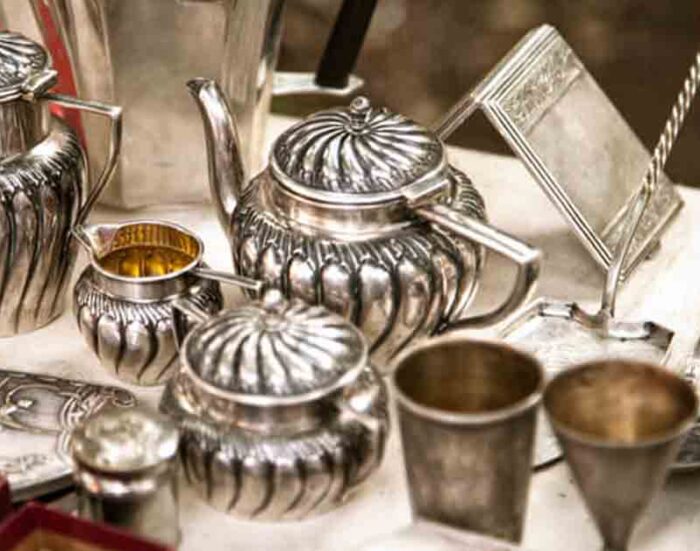
Where to Sell Rare Antique Items and Get the Most for Them
Rare antiques can be worth a pretty penny and many make a small fortune from selling them. Unless you know where to sell them, you may lose out altogether. Here are some tips on how to sell your antique treasures.
Know Your Stuff
The more you know about your rare antique item, the better.
Places to Sell Antiques
Local antique dealers are experts at buying and selling vintage items. They know how to spot and appreciate rare antique items and are generally willing to pay a fair price for them. Plus, you will be doing business face-to-face which eliminates some risks posed when you cannot see your buyer.
Be sure to deal with only reputable antique dealers though. Don’t be afraid to thoroughly check each one out. Find out how long they’ve been in business. Get local feedback. See if they have an online presence and if there are any verifiable reviews from past customers. Ask for credentials. A reputable local antique dealer will be delighted to share their accomplishments and references while shady ones will try to make you feel guilty for asking them for information. Remember, the goods are yours and you have every right to ask.
Sell Your Rare Item Online
When it comes to selling your rare antique online, you have several ways you can go. One is through an online antique buyer. Online buyers are often able to give you the price you want immediately. It’s a quick process because that is what they do – they buy antiques. Do be certain to check the credentials of the online buying site. Read their reviews and see how long they’ve been around. It’s very easy to get taken when doing business online.
You can sell your rare antique on your own online too. To do so, you can go through a platform, like Craigslist, Ebay, or Etsy. There are many more online selling spots too. Simply run a search and then read the requirements of each. Again, be sure you check for credentials and reputation.
When selling rare antiques on a platform, go over the details of their requirements. Some charge a listing fee. Most charge a selling fee too. Then you’ll need to consider shipping cost. Who pays that? If it’s you, you will want to price your item accordingly. Going over the details with a fine tooth comb will help prevent an unpleasant surprise when your items sells.
Where to Sell Chinese Antiques
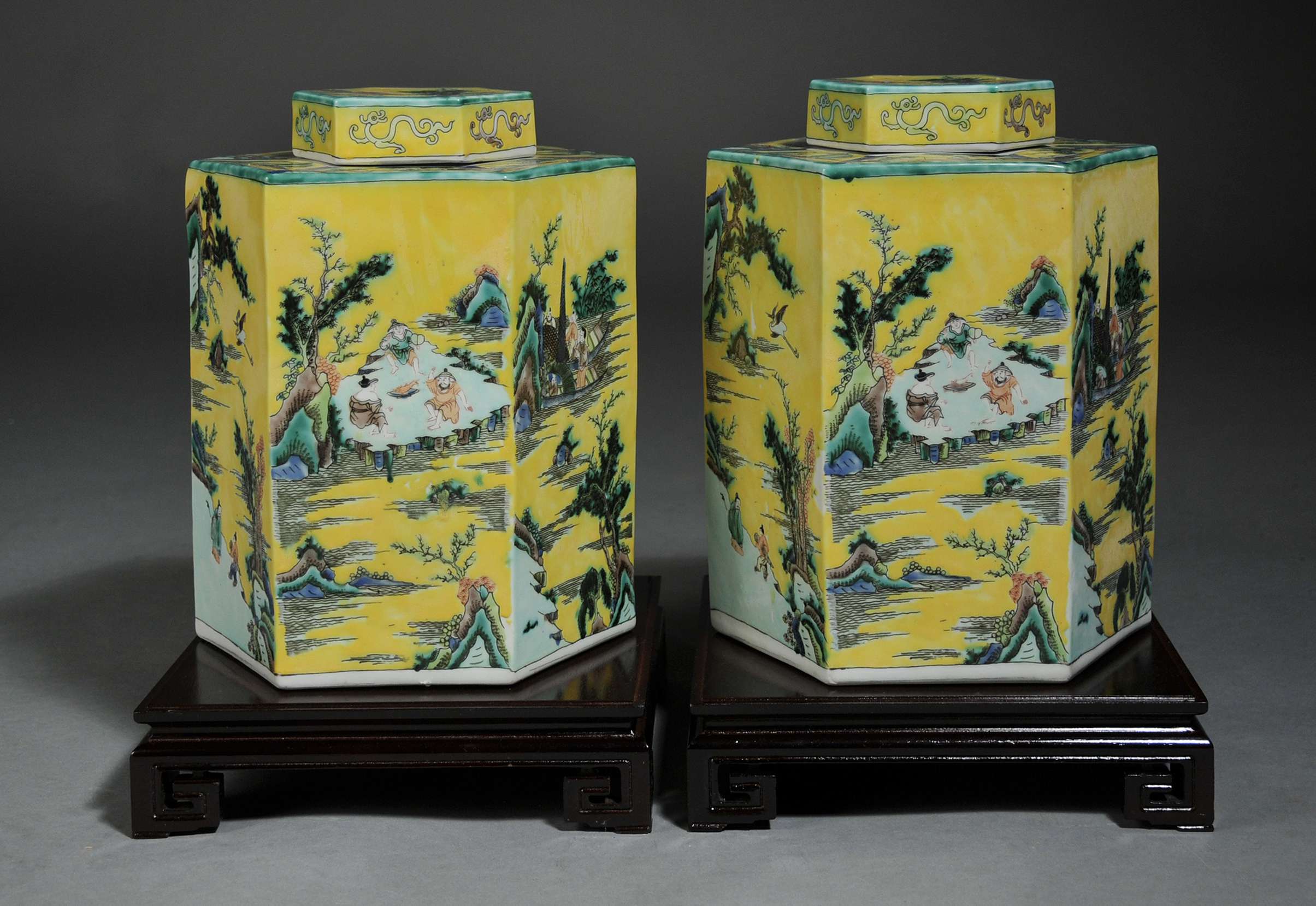
If you are looking for where to sell Chinese antiques, Chinese antique buyers are typically the best to go to. They are familiar with Chinese antiques, even the rare ones while an antique buyer who isn’t up-to-date on Chinese antiques might not realize the full value of your piece or pieces. You will always come out better going to an expert in the line that you are selling.
Flea Markets
Flea markets are good places to sell rare antiques if the setting is right and if you have multiple items. Some flea markets are geared for people who want something for nothing, basically. Avoid those as you’ll never get a fair price for your valuable, rare antiques.
Flea markets require planning. Along with being sure the type of consumer you want will be shopping at the location, you’ll need to take a table and chair and all your wares. Consider the look and feel of your booth. Make sure it is neat and welcoming and that your spot doesn’t look bare. Check the weather and dress accordingly. Don’t forget to bring business cards if you will be selling more. Looking professional is priceless because you’ll want to build trust and project stability. Bring plenty of snacks and drinks. If you feel you’ll be overwhelmed with business or setting your booth up, bring help. Get there early so you can be well-prepared. Stay late and rub shoulders with other vendors. You can learn a lot from the seasoned experts.
No matter how or where you sell your rare antiques, the ball is in your court when you follow the advice and suggestions above. Remember, it’s your items and…your show!
Estate Jewelry: Assessing Value, Finding Buyers, and Maximizing Profit
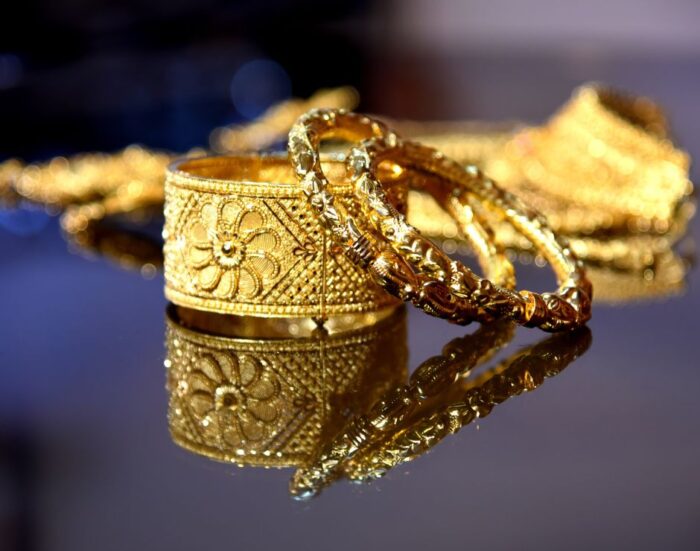
Estate jewelry holds significant value, both sentimentally and financially. Whether you’ve inherited estate jewelry from a loved one or acquired it yourself, understanding its true worth and how to get estate jewelry appraised effectively is paramount. This comprehensive guide provides invaluable insights into the appraisal process, buyer identification, and strategies for maximizing profitability. Whether you’re seeking to sell your estate jewelry or simply curious about its value, this guide will expertly navigate you through the process, ensuring you achieve the best possible outcome.
What is Estate Jewelry?
Estate jewelry is a term used to describe any jewelry that has been owned by someone else before. This can include jewelry items such as engagement rings, brooches, and anything in between. The value of estate jewelry depends on its rarity, age, and condition, and can range from antique to vintage or simply used.
How to Appraise Estate Jewelry?
Before selling your estate jewelry, it’s essential to have it appraised by a professional to understand how to determine the value of estate jewelry. An appraisal will accurately assess its value and help you determine a fair asking price. Look for a reputable appraiser with a good track record in estate jewelry.
During the appraisal, the appraiser will examine your jewelry’s metal content, gemstones, and overall condition. They’ll also consider its history, provenance, market trends, and demand. After the appraisal, you’ll receive a detailed report with a value estimate.
Where to Find Estate Jewelry Buyers?
Once your estate jewelry is appraised, it’s time to find a buyer. There are several options to consider, including:
Local jewelry stores: Many jewelry stores buy estate jewelry, especially if it’s in good condition and has a high resale value. Look for stores specializing in vintage or antique jewelry, as they may be more interested in buying estate pieces.
Online marketplaces: Websites like eBay and Etsy are popular platforms for selling estate jewelry. They allow you to reach a wider audience and set your prices, but you’ll need to handle shipping and handling.
Auction houses: High-end estate jewelry can be sold at Christie’s and Sotheby’s auction houses. However, this option is typically reserved for rare and valuable pieces, and you’ll need to pay a commission fee to the auction house.
Tips for Selling Estate Jewelry
Selling estate jewelry can be a complex process, but there are a few things you can do to make it easier:
Clean and repair your jewelry: Before selling your estate jewelry, ensure it’s clean and in good condition. Minor repairs and touch-ups can also increase its value.
Research comparable pieces: Look for similar estate jewelry that has sold recently and see what prices it fetched. This will give you an idea of what to expect.
Be realistic with your asking price: Don’t set your asking price too high or too low. Consider the appraised value, market demand, and any fees or commissions you must pay.
Get multiple offers: Don’t settle for the first offer you receive. Shop around and get multiple offers from buyers to ensure a fair deal.
Selling estate jewelry can be profitable if you approach it with the proper knowledge and resources. By getting your jewelry appraised, finding the right buyer, and following these tips, you can ensure a successful sale and a good return on your investment.
