

Antique Bronze Sculptures: History, Patina, Value & Interesting Facts
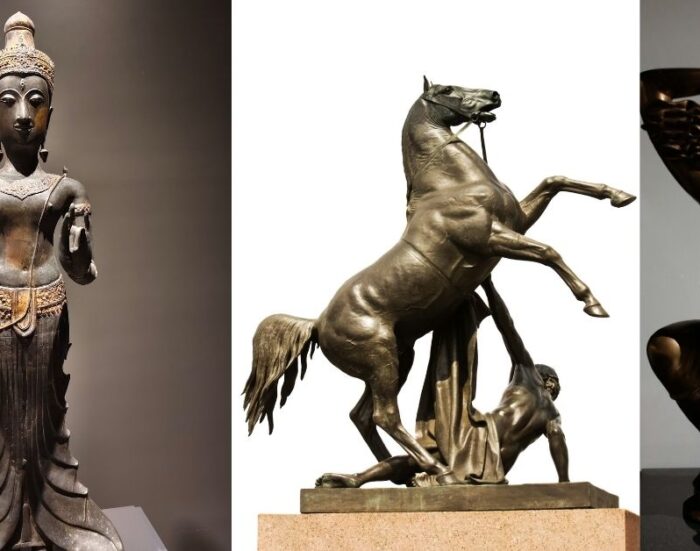
Find the history of antique bronze sculptures, how they are made, how patina develops, what influences their value, and how to care for these historic works of art. Antique bronze sculptures have been admired for centuries for their beauty, durability, craftsmanship, and ability to capture fine detail. From ancient statues and religious figures to decorative objects and monuments, bronze has played an important role in artistic traditions around the world.
Many antique bronze objects also tell stories about the people, cultures, beliefs, and artistic styles of their time. Their surfaces, casting techniques, designs, and provenance can provide valuable clues about when, where, and how they were created.
Whether you are an art collector, have inherited a bronze sculpture, or simply want to learn more about these fascinating works of art, understanding their history and distinctive characteristics can help you appreciate them more fully.
In this guide, we explore the history of bronze sculpture, how bronze sculptures are made, interesting facts about bronze, the importance of patina, factors that may influence value, and proper care for antique bronze sculptures.
What Are Antique Bronze Sculptures?
An antique bronze sculpture is an older work of art made primarily from bronze. Bronze is an alloy traditionally composed mainly of copper and tin, although its exact composition can vary.
Bronze is durable and particularly well suited to casting intricate forms and fine details. These qualities have made it an important material for artists and craftspeople for thousands of years.
Bronze has been used to create many types of objects, including:
- Human figures and portraits
- Animals
- Religious and mythological figures
- Decorative objects
- Figurines
- Busts
- Monuments
- Large outdoor statues
The age, artist, craftsmanship, style, condition, rarity, provenance, and history of a bronze sculpture can all contribute to its importance and potential value.
History of Bronze Sculpture
The history of bronze sculpture stretches back thousands of years. Ancient civilizations used bronze to create sculptures, ceremonial objects, tools, weapons, vessels, and decorative items.
Early craftspeople discovered that bronze could be melted and poured into molds, allowing them to create complex forms and details that could be difficult to achieve with some other materials.
As casting techniques developed, bronze became one of the most important materials in sculpture.
Bronze in Ancient Greece and Rome
Bronze sculpture played an important role in the art of Ancient Greece and Rome.
Greek artists produced bronze statues depicting gods, athletes, warriors, political figures, and scenes from mythology. Bronze allowed artists to create dynamic poses and detailed representations of the human body.
Roman artists continued and expanded the tradition, producing portraits, monuments, religious figures, and interpretations of earlier Greek works.
Not all ancient bronze sculptures survived. Because bronze was valuable and could be melted down and reused, many ancient works were eventually recast into weapons, coins, tools, or other objects.
As a result, some famous ancient bronze sculptures are known today primarily through later copies, historical descriptions, or other surviving records.
Bronze Traditions in Asia
Bronze also played an important role in Asian art.
China has a particularly long and influential history of bronze casting. Ancient Chinese bronze objects were created for ceremonial, religious, royal, and practical purposes, with many examples featuring highly detailed decoration and inscriptions.
India also developed an important tradition of bronze sculpture, particularly for religious figures associated with Hindu, Buddhist, and Jain traditions.
In Japan, bronze was used for Buddhist figures, temple objects, decorative works, and other forms of sculpture.
The durability of bronze and its ability to hold fine details made it especially suitable for religious and ceremonial artwork.
Bronze Sculpture from the Renaissance to the Modern Era
Bronze remained an important artistic material throughout the Renaissance and later European periods.
Artists used bronze to create statues, busts, small decorative figures, equestrian monuments, fountains, memorials, and other works of art.
Bronze continues to be widely used today by artists working in both traditional and contemporary styles.
How Are Bronze Sculptures Made?
Bronze sculptures can be produced using several casting techniques. One of the best-known traditional methods is lost-wax casting.
In a simplified version of the process, an artist first creates a model of the sculpture. A mold is then produced from the model, and a wax version may be created as part of the casting process.
The wax form is surrounded by a heat-resistant material. When heated, the wax melts away, leaving a cavity into which molten bronze can be poured.
After the bronze cools and hardens, the surrounding mold material is removed.
The artist or foundry can then refine the surface, correct small imperfections, finish details, and apply the desired surface treatment or patina.
Depending on the size, design, period, and casting technique, bronze sculptures may be cast as solid or hollow objects. Large sculptures are often produced in separate sections that are later joined together.
The versatility of bronze casting allows artists to create everything from small decorative figurines to monumental outdoor sculptures.
Interesting Facts About Bronze Sculptures
Bronze has several distinctive qualities that have made it an important sculptural material for thousands of years.
Bronze Is Strong and Durable
One of the major reasons bronze became popular for sculpture is its durability.
When properly cared for and preserved, bronze sculptures can survive for centuries and even thousands of years.
This durability is one reason so many historic bronze objects remain important to museums, collectors, scholars, and art enthusiasts today.
Bronze Can Capture Fine Details
Bronze casting can reproduce intricate details in faces, clothing, hair, textures, animals, decorative patterns, and other elements of a sculpture.
This gives artists considerable freedom to create highly detailed and expressive works.
Bronze Can Be Used Outdoors
Bronze has frequently been used for outdoor statues, memorials, fountains, and monuments.
Although exposure to air, moisture, pollution, and changing weather conditions can alter its surface over time, properly maintained bronze can remain durable in outdoor environments.
Many Ancient Bronzes Were Melted Down
Not all bronze sculptures from antiquity survived. Because bronze could be melted and reused, sculptures were sometimes recast into new artworks, weapons, coins, tools, and other useful objects.
This makes surviving ancient bronzes especially important for understanding the artistic techniques and cultures of earlier civilizations.
What Is Patina on a Bronze Sculpture?
Patina is the color and surface appearance that can develop on bronze over time or be intentionally created by an artist or foundry. Natural patina develops as the metal reacts with air, moisture, and other environmental elements.
Depending on the composition of the bronze and the conditions to which it has been exposed, a patina may appear:
- Brown
- Dark brown
- Black
- Green
- Blue-green
- Reddish brown
- A combination of different tones
Why Does Bronze Develop Patina?
Bronze gradually changes at the surface when exposed to its surrounding environment.
Outdoor sculptures may develop visible surface changes because they are continually exposed to air, rain, humidity, pollutants, and temperature variations.
However, not every patina develops naturally with age.
Artists and foundries can also use chemical treatments and controlled processes to produce specific colors and finishes on bronze sculptures.
For that reason, patina alone should not be used to determine the age or authenticity of a bronze sculpture.
Is Patina Important?
Patina can be an important part of a bronze sculpture’s appearance and character.
On antique examples, an older surface may provide information about the object’s history, treatment, and condition. Collectors can sometimes value an original or historically significant surface.
However, the importance of a patina depends on the individual sculpture.
Aggressive polishing, cleaning, or refinishing can alter an antique bronze sculpture’s surface and potentially remove historically important characteristics.
If you are unsure about the surface of an antique bronze, it is generally best to seek professional advice before attempting extensive cleaning or restoration.
What Makes an Antique Bronze Sculpture Valuable?
There is no single factor that determines the value of an antique bronze sculpture.
Several characteristics may influence its desirability and market value, including age, artist, condition, craftsmanship, provenance, rarity, and current collector demand.
If you are looking into a bronze sculpture you own, be aware that asking prices on the web don’t necessarily represent the value of the object in the marketplace. Read our guide on how to research the value of antiques online explains why professional appraisal and comparable market information can give a more reliable picture of value.
Age and History
Age can contribute to the historical interest of a sculpture, particularly when its period and origin can be established.
However, age alone does not determine value. The quality, rarity, artist, provenance, subject matter, condition, and market demand may be equally or more important.
Artist, Period, and Style
The artist or workshop associated with a bronze can have a significant impact on collector interest.
Sculptures connected to recognized artists, important artistic periods, influential schools, or desirable styles may attract greater attention.
Signatures, foundry marks, inscriptions, and other identifying features can sometimes help with attribution, although they should always be evaluated carefully.
Condition
Condition is an important consideration when evaluating antique bronze sculptures.
Factors that may affect condition include:
- Cracks or structural damage
- Missing parts
- Previous repairs
- Alterations
- Surface wear
- Corrosion
- Damaged bases
- Excessive polishing or cleaning
A sculpture’s original surface and evidence of appropriate aging may also be important when assessing its condition.
Craftsmanship
The quality of the casting and finishing can significantly influence a sculpture’s appeal. Collectors often pay close attention to details such as facial features, textures, anatomy, drapery, surface finishing, and the overall quality of the casting.
Fine craftsmanship can help distinguish a carefully executed bronze from a lower-quality reproduction.
Provenance
Provenance refers to the documented history of ownership of an artwork or antique. Reliable provenance can help establish where an object came from and may provide important information about its history.
Useful provenance records can include:
- Previous sales records
- Auction catalogues
- Purchase receipts
- Old photographs
- Exhibition records
- Collection labels
- Estate inventories
- Letters or other historical documents
Strong provenance can increase confidence in an object’s history and may contribute to its desirability.
Rarity and Market Demand
Rarity can also influence value. A rare model, limited casting, unusual subject, desirable artist, or historically important example may receive more attention from collectors.
At the same time, market demand changes. A sculpture’s potential value depends not only on its characteristics but also on current collector interest and comparable sales.
Owners who are considering selling a piece can learn more about valuation, potential buyers, and different sales options in our guide to where to sell bronze statues and find antique bronze sculpture buyers.
How to Care for Antique Bronze Sculptures
Proper care can help preserve an antique bronze sculpture and its surface.
For indoor pieces, avoid excessive moisture and harsh cleaning products. Dust can generally be removed carefully using a soft, dry cloth or suitable soft brush.
Avoid aggressively polishing, scrubbing, or applying household metal cleaners to an antique bronze unless you fully understand its surface and finish.
The patina may be an intentional, original, or historically important part of the artwork.
Over-cleaning can permanently change the appearance of the bronze and may reduce some of its historical character.
For an important, fragile, or potentially valuable sculpture, consider consulting a qualified professional conservator before carrying out major cleaning, polishing, repair, or restoration.
If you plan to sell the sculpture, do not make significant changes just to improve its appearance. Collectors sometimes look for condition and original surfaces. If you are thinking about restoration, a professional evaluation can help you make a more informed decision.
Final Thoughts on Antique Bronze Sculptures
Antique bronze sculptures are more than decorative objects. They can reflect the artistic skills, technologies, beliefs, tastes, and cultures of earlier periods.
From ancient ceremonial figures to European decorative bronzes and monumental sculpture, these works demonstrate why bronze has remained such an important artistic material for thousands of years.
Understanding a bronze sculpture’s history, casting technique, patina, condition, craftsmanship, and provenance can help collectors and art enthusiasts appreciate both its artistic importance and its potential value.
If you own or have inherited a bronze sculpture, researching its marks, history, condition, and provenance is a useful starting point. Before selling a potentially important piece, you may also want to read our expert advice on how to sell antiques to understand the importance of valuation and choosing an appropriate buyer or sales method.
Have an Antique Bronze Sculpture?
If you own or have inherited an antique bronze sculpture and would like to learn more about its age, artist, history, or potential value, Antique Appraisers Auctioneers can help.
Our team can assist in evaluating antique and fine art objects and help you better understand whether your bronze sculpture may be suitable for appraisal, sale, or auction.
If you are specifically looking to sell, you can also learn more about our antique bronze sculpture buyers and the types of bronze objects we evaluate.
The Story in the Stamp: How to Identify and Value Reed and Barton Silverware
Open an old flatware chest, and you may find more than knives, forks, and spoons. You may be looking at wedding gifts, holiday traditions, and family history. Reed and Barton silverware often carries that emotional weight. It can also have real market value, but determining what you own takes more than spotting a familiar name on the back of a handle.
The material, pattern, age, condition, and completeness of a set all matter. Fortunately, the small marks stamped on each piece give you a sensible place to begin.
An American Silver Name With a Long History
The business that became Reed & Barton began in Taunton, Massachusetts, in 1824. Its earliest products included pewter and Britannia ware before the company expanded into silver-plated goods and, later, sterling silver. Over time, it produced flatware, tea and coffee services, trays, trophies, decorative objects, and elaborate presentation pieces.
The company’s history also reflects changing American tastes. Highly decorated traditional patterns eventually shared the catalog with cleaner, more modern designs, while formal silver services became popular wedding and household gifts. The original Taunton operation closed in 2015, but Reed & Barton continues as a tableware and giftware brand under Lenox.
Sterling or Silver Plate? Begin With the Metal
When examining Reed and Barton silverware, first determine whether the piece is sterling silver or silver plate. The two may look almost identical in a photograph, yet their composition and potential value are very different.
Reed and Barton sterling silver is generally identified by the word “STERLING” or another recognized silver-quality mark. Sterling is an alloy containing 92.5 percent silver, with other metals added to improve strength and durability. On knives and some serving utensils, the handle may be sterling while the blade or working end is steel, so the total weight does not necessarily represent its silver content.
Reed and Barton silver plate: Reed and Barton silver plate consists of a base-metal object covered with a thin layer of silver. A plated piece may carry the company name, a trademark, and a pattern or model number, but it should not be stamped “STERLING.” The absence of a sterling-quality mark is an important clue, although unclear or unusual pieces deserve professional examination before a final decision on Hallmarks.
The phrase Reed and Barton hallmarks is widely used by collectors, although American silver usually carries maker’s marks and quality stamps rather than the formal assay hallmarks found on British silver.
Begin by inspecting the back of each flatware handle. On bowls, trays, teapots, candlesticks, trophies, and serving pieces, look carefully at the underside or base. Large objects may have several stamps grouped together, while a small spoon may have only a maker’s name and metal mark.
Known Reed and Barton silver marks include the company name and a pictorial trademark featuring an eagle, the letter “R,” and a lion. Because the marks changed during the company’s long history, consider the lettering style, symbols, quality stamps, and nearby numbers as a complete group.
How to Read Reed and Barton Silver Marks Correctly
Do not assume every number is a date. A number may refer to a pattern, model, size, or factory reference. Correct identification often requires comparing both marks and physical design with reliable catalog information. Bowls on hollowware from 1928 through 1957. When one of these symbols is clear and correctly matched to a dependable reference chart, it may reveal the year in which a piece was produced. These date symbols should not be confused with decoration, scratched owner’s marks, inventory numbers, or later retailer engravings.
Use bright, indirect light when examining a stamp. Tilt the object slowly and photograph the mark from several angles. A phone’s macro setting often reveals worn lines hard to see with the naked eye. Avoid deciding from one blurred character; the complete group of Reed and Barton silver marks is more useful than a single letter or number.
Patterns Can Be as Important as the Mark
Collectors do not value every pattern equally. Some designs remained in production for decades and are still easy to find. Others were made for shorter periods or attract a smaller but highly enthusiastic group of buyers.
Francis I is one of the best-known Reed & Barton patterns, admired for its rich, sculptural decoration. Pointed Antique became part of the company’s offerings after Reed & Barton acquired Dominick & Haff in 1928. At the other end of the design spectrum, the streamlined Diamond pattern was developed through work involving Italian architect Gio Ponti and Reed & Barton designers. It debuted in 1958.
A complete service in a desirable pattern may attract more interest than a mixed group of unrelated pieces. Unusual serving utensils, large hollowware, and rare pattern pieces can also be significant.
Identify the pattern from the silver itself rather than relying on its storage chest. Families sometimes moved flatware into replacement boxes, combined sets, or added new pieces over the years.
What Determines the Value of Reed and Barton Silverware?
Metal content is only one part of valuation. Reed and Barton sterling silver has intrinsic precious-metal value, but an attractive, scarce, or historically interesting piece may be worth more as an antique than as scrap.
The value of Reed and Barton silver plate depends more on design, condition, rarity, usefulness, and collector demand because most of the object is base metal.
A well-preserved plated tea service may still be appealing, but its value should not be calculated as if it were solid silver.
Condition deserves close attention. Fine surface scratches are normal on tableware that was used and enjoyed. Deep dents, splits, bent tines, loose handles, worn plating, obvious repairs, and missing components can reduce buyer interest.
A monogram does not automatically make a piece undesirable. Tasteful period engraving may add character, though highly personal initials or modern inscriptions can narrow the number of interested buyers.
Completeness also matters. Count place settings and serving pieces separately, and check whether knives, forks, and spoons match in pattern, length, and mark. A large group should not be called a complete set until every piece has been examined.e Careful Before Cleaning or Selling.
It is tempting to polish dark silver immediately, especially when preparing it for photographs. However, heavy polishing, abrasive compounds, and aggressive chemical dips can soften engraved detail or wear through the silver layer on plated objects. Conservation guidance warns that tarnish removal can be especially damaging to silver-plated and highly decorated pieces.
If cleaning is necessary, use mild soap with warm water and a soft cloth to gently wipe the surface, avoiding scrubbing or rough materials. Avoid soaking pieces with hollow handles or delicate attachments. For stubborn spots or valuable items, it is safest to consult a professional conservator or silver specialist before cleaning.
A gentle surface cleaning may be appropriate, but unfamiliar or potentially valuable items are best left as found until assessed.
Research Recent Silverware Sale Prices
It is important not to rely on online asking prices alone. An asking price shows what a seller hopes to receive, not what a comparable item has sold for. For a realistic estimate of your silverware’s value, check completed sale prices from trustworthy sources.
Look for auction house results, such as those published by Heritage Auctions or Sotheby’s, as well as online auction platforms like eBay’s ‘Sold Listings’ section. Silver collector forums and specialized price guides can also provide current market information. Condition, current demand, the selling method, commissions, and shipping costs can all influence the final return.
Preparing Your Silverware for a Professional Appraisal
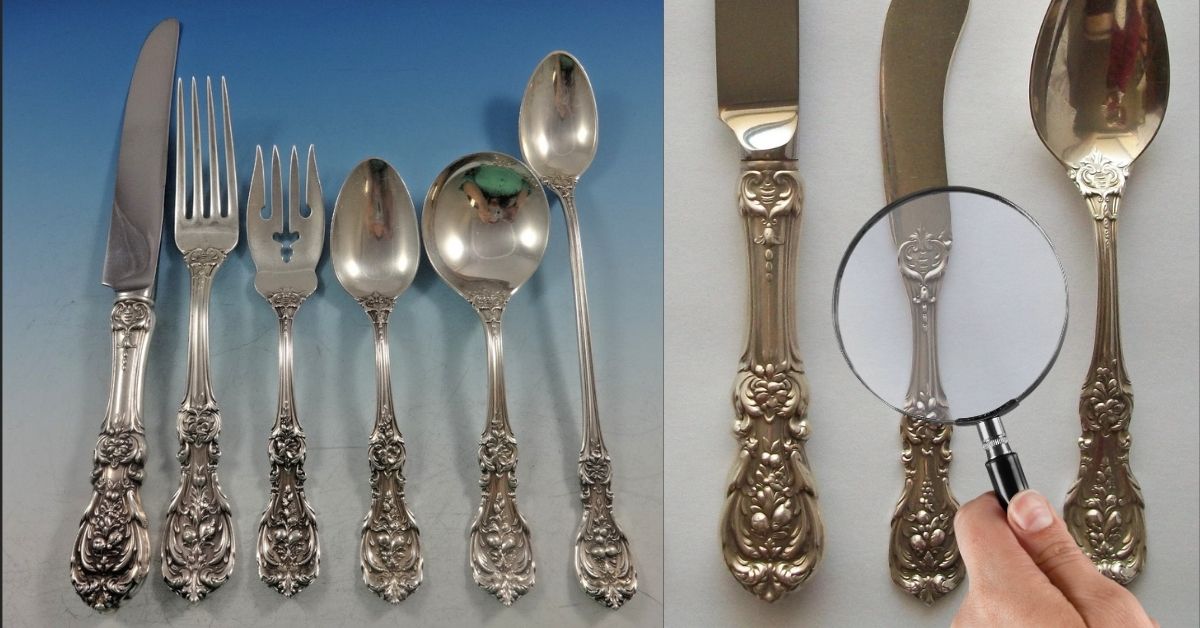
Good photographs make the appraisal process easier. Take one image of the full collection, several pictures of representative pieces, close-ups of the decoration, and sharp photographs of every visible mark.
Record the number of place settings and list the serving utensils separately. Mention dents, repairs, loose parts, worn plating, missing pieces, and any known family history. Include photographs of the chest when it appears original, but photograph the silver outside the box as well.
A professional evaluation is especially useful when a set has been inherited, the marks are difficult to read, the pattern seems unusual, or you are deciding between a private sale and an auction. When selecting an appraiser or auction house, look for specialists in antique silver or decorative arts, and check whether they are accredited by recognized professional associations such as the American Society of Appraisers (ASA) or the International Society of Appraisers (ISA). Reputable appraisers should be willing to explain their experience, provide references upon request, and clearly outline their fees and appraisal process.
Avoid anyone who pressures you to sell immediately or charges based on a percentage of the item’s value rather than a flat fee for the appraisal. For auction houses, review recent auction results in similar categories, inquire about their terms, and ensure they offer photography and marketing appropriate to your collection. Antique Appraisers Auctioneers provides appraisal and auction services for antique silver and states complimentary auction estimates are available for qualifying items valued at $500 or more.
Let the Details Tell the Full Story
The appeal of Reed and Barton silverware lies in more than its shine. Each piece brings together craftsmanship, changing design tastes, family use, and American manufacturing history.
Start with the metal-quality mark. Study the maker’s stamp, identify the pattern, and assess the condition and completeness of the entire group. Most importantly, do not try to value a collection from one photograph or one stamped number.
A careful reading of Reed and Barton hallmarks, supported by pattern research and professional market knowledge, gives you a much clearer picture of what is sitting inside the silver chest.
