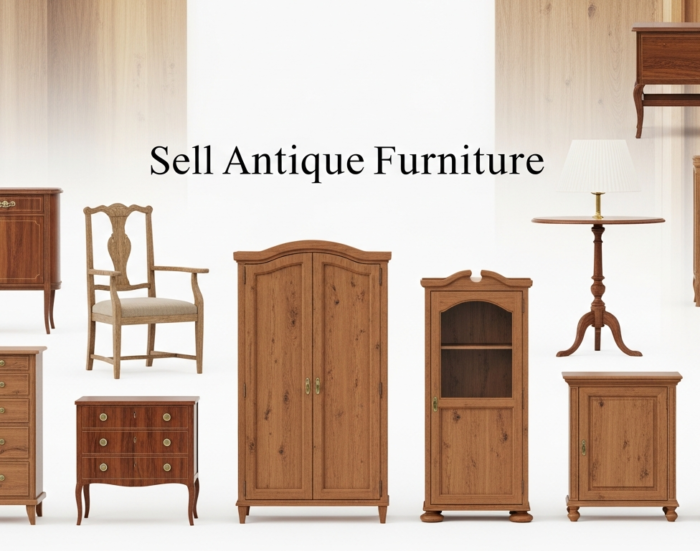
Where to sell antique furniture Locally for quick cash?
There is a story behind every piece of antique furniture. These pieces are more than just furniture; they are historical artifacts. For example, consider a mid-century dresser that serves as the main piece of furniture in your living room or a Victorian armchair that has been passed down through generations. But sometimes things change and you need more money or room. The good news is that you can sell antique furniture locally, get a fair price, and pass it on to someone who truly values it.
Let’s look at how to do it exactly, step by step, and avoid the common mistakes.
Antique furniture that isn’t being used
A lot of us have old furniture that we don’t use frequently. It may have been inherited or bought in hopes of future value. However, storing it in a corner or storage space seems like a wasted opportunity. You know how much your furniture is worth, but it can be challenging to find the right buyer.
You might have tried online marketplaces, but you might have only dealt with buyers who weren’t trustworthy or gotten low offers. Or maybe you don’t know how much your things are really worth. It gets more and more annoying when your furniture just sits there and collects dust.
Why it can be challenging to sell old furniture
Selling an old piece of furniture is not the same as selling a regular table or chair.
There are many problems:
- Choosing the Right Buyer: Not everyone knows how much old things are worth. Some individuals may fail to recognize the value or even reject a unique item.
- Price Confusion: Age, rarity, condition, and style all affect price. If you don’t do enough research, you could end up charging too much or too little.
- Time and Effort: Listing things, taking pictures, answering messages, and setting up pickups all take a lot of time and effort.
- Challenges: Moving old furniture can be challenging because it is big and fragile.
These problems don’t have to make selling stressful.
Guide To Buying and Selling Antique Furniture in Your Area
1. Identify Your Antique Furniture
Check the type, age, and style of your antique pieces. Pay attention to the marking type and to the markings and hand-carved details of the signature.
2. Get an expert’s opinion on the signature. pinion.
Contact a local antique appraiser to learn your item’s value and confirm its authenticity and condition. opinion. For example, people who buy antique furniture in Connecticut often give free verbal appraisals.
3. Choose the Right Platform to Sell
- Local Antique Stores: Sell unique furniture directly or let the store sell it for you.
- Antique fairs and auctions are excellent for rare or valuable things.
- Auctions attract collectors who know how valuable old furniture is.
4. Get Your Furniture Ready to Sell
- Don’t use strong chemicals to make the piece shine.
- Take clear photos from different angles.
- Focus on size, material, age, and condition. and condition.
5. Find a fair price.
- Look at similar furniture in person and online.
- Think about how much demand there is, how rare it is, how old it is, and how useful it is.
- Include any costs for delivery or pickup.
6. Put ads for your furniture
- Put up ads on community boards or in local Facebook groups.
- Use descriptive titles, like “Victorian Oak Dining Table in Great Condition.”
- To attract collectors, discuss the item’s quality, age, and origin.
7. Stay Away from Mistakes That Happen Often
- Don’t accept the first low price offer.
- Only deal with buyers who inspect the furniture and meet you in person.
- Don’t send fragile things without the right packaging.
FAQs About Selling Old Furniture
Q1: How long does it take to sell old furniture in your area?
A: It can take anywhere from a few days to a few weeks, depending on the item and the platform.
Q2: Do I need an appraisal?
A: Yes, an appraisal ensures you receive a fair price.
Q3: Is it okay to sell furniture that is broken?
A: Yes, but make sure to charge the right amount. Minor scratches can be mentioned, but major damage can lower value.
Q4: What kinds of old furniture sell the quickest?
A: Buyers frequently seek out dining tables, chairs, dressers, and rare or unique items.
In conclusion
Don’t put your old furniture away. If you search and meet the right people in your area, you can sell your furniture at a fair price. You can also sell antique furniture through estate sales, auctions, stores, or online marketplaces.
👉 Reach out to local antique buyers or appraisers now to initiate a seamless and profitable sale process.
Where can you find the best deals on real Chinese Ming porcelain?
It can be hard to tell real Chinese Ming porcelain from fake. In the last few years, it has become very popular in modern jewelry, home design, and decor. People love old and vintage things, but the market is full of fakes, from cheap tourist copies to very good modern copies. A lot of them look “almost the same,” which makes it hard for people who are new to tell them apart.
Prices can also be completely unique. Some sellers ask museum-level prices for copies, while others don’t really know what they have and still charge a lot. In both cases, it’s very easy for buyers to pay too much without knowing it. An expert must also look at real Ming porcelain because real pieces have certain features, like the texture of the glaze, kiln marks, shape, and style of decoration. It takes experience and, in some cases, even scientific testing to figure out these things.
Real Ming pieces can be found in a lot of different places, like auction houses, specialist dealers, private collections, and online marketplaces, which makes things even more confusing. Because of this, buyers often have a challenging time figuring out which sellers they can really trust.
Can I Buy Ming Porcelain on My Own?
You can try to buy Chinese Ming porcelain on your own, but it’s risky to do so without help. Here’s why you should be careful and what you can do to lower those risks.
1. You might lose a lot of money.
Chinese Ming porcelain is costly, and it’s easy to spend thousands on a fake without expert help, especially since high-quality copies look a lot like real pieces.
What you can do: Before you buy, compare prices from several well-known dealers or auction houses, look up similar items, and don’t buy things on a whim from sellers you don’t know.
2. Your money could lose all its value.
Fake items don’t sell for much, if anything. When you try to sell them, professional appraisers will quickly see that they are copies, and you may not get anything back.
What you can do: Before you buy something that costs a lot of money, get an independent appraisal or at least a second opinion from an expert in Asian ceramics.
3. You might miss out on things that are really worth a lot.
Fear of scams can also prevent you from acquiring genuine treasures at reasonable prices. A lot of collectors miss out on great chances because they don’t know what to look for.
You can do this: Learn the basic signs of real Ming porcelain, like the quality of the glaze, the style of painting, the kiln marks, and where it came from. While you’re still learning, start by buying from reputable dealers or auction houses.
How to Buy Real Chinese Ming Porcelain [Real Life]
Here’s how collectors and dealers really buy real Ming porcelain today, if you’re serious about it.
1. Begin with antique dealers you can trust.
In real life, most safe purchases start with experienced dealers in Asian art who look at things like glaze tone, brushwork, kiln marks, shape, and natural age wear—small details that are almost impossible for beginners to judge correctly. A reliable dealer will let you touch or closely inspect the item (or give you obvious, close-up photos if you are buying online), tell you where it came from (provenance), how they got it, and put their reputation behind it, usually with a written invoice that says “Ming dynasty” or a certificate of authenticity.
You can usually find these dealers through long-established antique galleries, recognized dealer associations, specialist trade fairs, and Asian art shops in big cities or at big antique shows. These places have built up their reputations over time and are more accountable.
2. Use big auction houses for important items.
Serious buyers of more expensive Ming porcelain often go to big auction houses because their in-house experts carefully check items before they are listed. There is a written description, price estimate, and condition report for each lot. The final hammer price is a “market-tested” value that shows what collectors are eager to pay. In this setting, being open and having specialized knowledge greatly lowers the chance of buying fake or misattributed items compared to informal or unvetted channels.
In real life, a smart buyer will look through the online catalog weeks before the sale to make a list of the best items. Then, they will either attend the viewing days or request more photos and condition reports to see any cracks, repairs, or other quality issues before bidding. Setting a maximum bid for each item ahead of time and sticking to it during the auction is also common. This procedure helps you avoid spending too much because of emotions and keeps the purchase in line with current market levels and your own budget.
3. Be extra careful when using online marketplaces.
Fakes are mostly sold online, but there are also some really good pieces there. The key is to choose carefully. Most fake items are sold online, but there are also some really good ones there. The key is to be careful when you choose.
Here are some things to keep in mind when using online marketplaces to protect your investment:
- Look at the seller. Check out the seller’s reputation and history before you buy. Check out what other people have said about the product. It is usually safer to buy from established sellers who have a history of making real sales.
- Ask for Clear Pictures Always ask for high-quality pictures of the piece from different angles. Look closely at the glaze, markings, and any flaws or areas of concern.
- Know the Return Policies Be aware of the marketplace’s and the seller’s return policies. Ensure a buyer protection plan allows returns if the item is a copy or not as described.
- Follow Your Gut If something seems wrong, like the prices, the way the seller talks, or the pictures, trust your gut. It’s better to walk away from a deal than to make a mistake that costs you money.
- Think about getting a third party to check it out. Some websites offer services that verify your identity. If you can, think about using these services to make sure the piece is real before you buy it.
You can increase your chances of getting a real piece of Chinese Ming porcelain without getting scammed by being careful and learning as much as you can. Being well-informed is the best way to avoid making expensive mistakes when you go to auction houses, trusted dealers, or online marketplaces. Have fun collecting!
How To Make Money By Selling Antiques Online
Have you ever seen around in your attic treasures and thought, “These things might be worth more than I realize”? You might not know how much your old porcelain sculpture, vintage clocks, or silver flatware are worth. What’s the challenge? How to sell antiques online and get a fair price for them.
It could be the old mirror in your hallway or the dusty box of jewelry you’ve had for years. Each item has a story, but more importantly, it may be worth something you don’t know yet.
Let’s talk about how you can turn those hidden gems into real money without the stress and confusion that usually comes with selling antiques.
Your Antiques are Gathering Dust instead Income
Many people don’t know how much their old things could be worth. You may want to get rid of some family heirlooms or collectibles. You search for their value online, but you find conflicting information on various websites.
Furthermore, selling antiques online can be scary.
- What website can you trust?
- How can you tell if the offer is fair?
- What if you get scammed or sell something valuable for less than it’s worth?
Many people don’t even start because of these questions. Instead of making money, those beautiful old things stay in storage, where they can’t be seen and may even lose value.
Missing Out on Real Chances
The truth is that the online antique market is doing very well. Dealers and collectors all over the world are constantly looking for rare and high-quality items. There is a buyer for almost anything, from old jewelry and silver to fine art and furniture.
But if you don’t take the time to sell antiques online the right way, you could be missing out on collectors who are willing to pay top dollar.
- Reach to buyers from other countries, not just your own.
- Easy, quick sales that don’t require going to antique fairs or auctions in person.
And here’s the best part: in the right market, a small decorative items you think is worthless could be worth hundreds or even thousands of dollars. Imagine selling something you forgot about and finding out it was a hidden gem.
Why it’s better to sell antiques online than in person
You don’t have to wait for local antique fairs or rely on vintage stores to make a sale anymore. When you sell antiques online, buyers from all over the world can view your listings at any time of day or night.
- You maintain direct control over the price, the buyer, and the entire process.
- Easy and flexible: you don’t have to travel or set up a booth; you can just upload from home.
In short, selling antiques online gives you more speed, reach, and transparency, all while keeping the process completely in your hands.
A smart and easy way to sell antiques online
Now for the fun part: here’s how to sell antiques online with confidence and have fun doing it.
1. Find out what you have
Before compiling a list, please take a moment to identify the types of antiques you possess. Look for maker’s marks, hallmarks, signatures, or other design elements that are unique. These facts help figure out how real something is and how much it’s worth. If you’re not sure, take clear pictures and ask an online appraiser for help.
2. Find out how much the market value is
Now that you know what you have, it’s time to figure out how much it’s worth. Look for things that are like what you’re looking for on auction sites like eBay, LiveAuctioneers, or Ruby Lane. Don’t just look at listing prices; also look at what things sold for. This gives you a good idea of how much buyers are willing to pay.
3. Choose the Right Platform
There is no one right answer for where to sell antiques online.
- eBay, Etsy, and Facebook Marketplace are all great places to buy and sell general antiques.
- If you want to buy fine art or collectibles, look into auction sites or websites that cater to niche antique buyers.
- For high-value items: specialized online antique buyers often offer free appraisals and direct purchases.
Picking the right platform can make a big difference in how quickly your antiques get noticed and sold.
4. Present your treasures with confidence
A compelling presentation can turn an average listing into a must-buy. Take pictures from different angles that are well-lit and of excellent quality. Include close-up photos of marks or other details. Write a thoughtful, honest description—noting age, material, history (if known), and condition. Once you’re open and honest, trust builds, and it attracts serious buyers.
💡 Tip: Use words that describe your items, like “vintage,” “antique,” “collectible,” or “mid-century,” in the title and description. This makes it easier for buyers to find you online.
5. Get an appraisal
An appraisal can help you figure out how much something is worth if you’re not certain. Many honest antique buyers will give you a free or low-cost appraisal online. This step not only helps you set the right price for your item, but it also makes you feel better about not selling it too cheaply.
6. Protect Yourself from Scams
Sadly, not every online buyer is real. Always use safe ways to pay, never give out personal information, and be careful of deals that seem “too good to be true.” The safest thing to do is to buy antiques from trusted sellers and verified marketplaces.
7. Close the Deal with Confidence
Once you find the right buyer, make sure to connect properly, pack your item carefully, and get delivery insurance if it’s worth a lot. Keep all of your records until the deal is done. You’ll have cash in hand and more room in your home before you know it.
Frequently Asked Questions
1. How can I tell if my old thing is worth something?
Check for the maker’s mark, the item’s age, how rare it is, and how well it is kept. The best way to find out how much something is worth is to hire an expert.
2. Where are the safest places to sell antiques online?
eBay, Etsy, Ruby Lane, and specialized buyers like Antique Appraisers Auctioneers are all excellent places to buy antiques.
3. Sell antiques that are broken?
Yes, but you should always tell people about any problems and include clear pictures. Some collectors like pieces that are old or can be fixed.
4. How can I stay away from scams when I sell?
Use only trusted payment methods, don’t send items before you get paid, and only do business with well-known buyers or marketplaces.
Why It’s Worth It to Sell Antiques Online
Learning how to sell antiques online gives you many options. You can reach more people, get better deals, and feel good about knowing that your most valued items are going to people who will really appreciate them. Plus, it’s one of the best ways to get rid of things you don’t need and make money at the same time.
Every piece, whether it’s an old clock, a vintage brooch, or a painting, has a story and a market ready to buy it.
Make Money From Your Treasures Today.
What are you waiting for? You might not think much of those “just old things” lying around your house, but they could be worth a lot. You can sell antiques online safely, confidently, and for a fair price if you do some research, find the right listing, and get help from an expert.
💰 Antique Appraisers Auctioneers is a well-known name that helps sellers find out how much their treasures are worth and turn them into cash quickly. Start your journey today.

The Timeless Allure of Ming Dynasty Porcelain: A Collector’s Dream
When it comes to antique porcelain, few treasures captivate collectors and historians quite like the exquisite pieces from China’s Ming dynasty. These precious artifacts, crafted between 1368 and 1644 CE, represent the pinnacle of ceramic artistry and continue to mesmerize enthusiasts worldwide. Let’s dive into the fascinating world of Ming porcelain and discover why these items remain some of the most sought-after antiques in existence.
The Birth of a Porcelain Empire
Picture this: It’s the 15th century, and China is experiencing an economic boom. The Ming dynasty is in full swing, and with prosperity comes an insatiable appetite for luxury goods. Enter Ming porcelain – the crown jewel of Chinese craftsmanship.
Fun fact: The word “china” became synonymous with porcelain due to China’s dominance in ceramic production during this era.
The heart of this porcelain revolution beat in Jingdezhen, a city in Jiangxi province. This bustling hub became the epicenter of imperial porcelain production, churning out masterpieces that would grace the tables of emperors and find their way to distant shores.
The Blue and White Wonder
If Ming porcelain were a rockstar, its signature hit would undoubtedly be the iconic blue and white designs. These pieces, with their striking cobalt blue decorations on a pristine white background, became the dynasty’s calling card.
But here’s the kicker: that vibrant blue? It wasn’t even from China! The cobalt pigment was primarily imported from Central Asia, particularly Iran. Talk about an international collaboration before it was cool.
Beyond Blue: A Kaleidoscope of Colors
While blue and white may have stolen the show, Ming artisans weren’t content with a one-hit wonder. As the dynasty progressed, they expanded their palette, introducing a symphony of colors that would make even a rainbow jealous.
By the 15th and 16th centuries, Ming porcelain was flaunting reds, yellows, greens, and blues in intricate, multi-colored scenes. These pieces often depicted elaborately robed figures, proving that fashion was just as important then as it is now.
But wait, there’s more! The Xuande Emperor’s reign (1425-1435) saw the development of the ultra-rare jihong (blood-red) glaze. With fewer than 100 surviving examples worldwide, these pieces are the Holy Grail for serious collectors.
Craftsmanship That Stands the Test of Time
What sets Ming porcelain apart isn’t just its good looks – it’s the mind-boggling skill that went into creating each piece. The techniques developed during this period were so advanced that they influenced ceramic production worldwide for centuries to come.
Take the doucai (contrasting colors) technique, for instance. This method involved multiple firings at different temperatures to achieve vibrant enamel effects. It’s like the ceramic equivalent of a complex magic trick – impressive, mysterious, and leaving everyone wondering, “How did they do that?”
From Imperial Courts to Global Phenomenon
Ming porcelain wasn’t content to stay within China’s borders. These precious items became hot commodities in international trade, finding their way to Japan, Europe, and the Middle East.
In a twist of historical irony, Chinese porcelain was often exchanged for Spanish silver arriving via Manila. It seems that even in the 15th century, the allure of a good trade deal was universal.
This global demand had a significant impact on the evolution of Ming porcelain designs. Early pieces often featured intricate floral and abstract patterns that catered to Arab tastes. Later, the style shifted towards more delicate and restrained designs, emphasizing natural motifs like birds and flowers.
The Legacy Lives On
Fast forward to today, and Ming porcelain continues to captivate collectors and museums alike. These pieces aren’t just beautiful – they’re windows into a golden age of Chinese artistry and craftsmanship.
For collectors lucky enough to own authentic Ming pieces, especially those with imperial marks or rare glazes, the value goes beyond mere monetary worth. These items are tangible links to a distant past, each one telling a story of artistic innovation and cultural exchange.

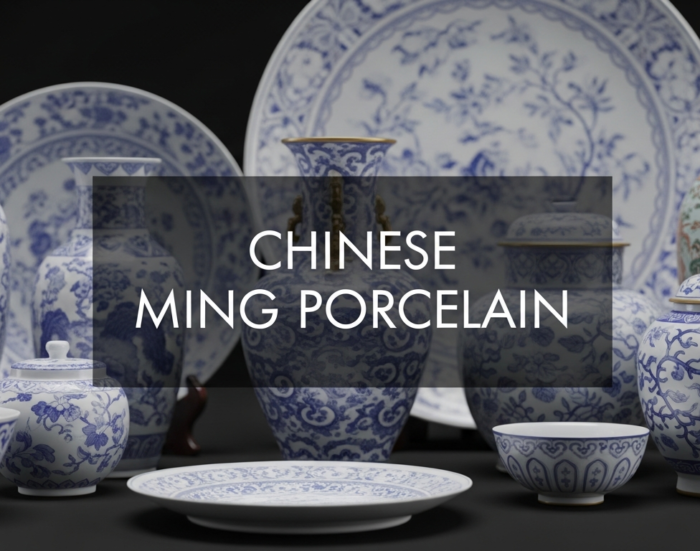
Diverse collection of Chinese antiques showcasing Ming porcelain craftsmanship – source
The Hunt for Ming Treasures
If you’re feeling inspired to start your own Ming porcelain collection (and who wouldn’t be?), it’s essential to approach the market with both enthusiasm and caution. The world of antique Chinese ceramics can be as complex as the glazes on a doucai vase.
This is where resources like antiqueappraisersauctioneers.com come in handy. Professional appraisal services can help you navigate the intricate world of Ming porcelain, ensuring that you’re making informed decisions whether you’re buying or selling.
Remember: When it comes to Ming porcelain, provenance is key. The history and documentation of a piece can significantly impact its value and authenticity.
Wrapping Up: The Enduring Charm of Ming Porcelain
From the imperial kilns of Jingdezhen to the auction houses of today, Ming porcelain has embarked on a journey spanning centuries and continents. These precious Chinese Ming items continue to enchant us with their delicate beauty, technical mastery, and rich historical significance.
Whether you’re a seasoned collector or a curious newcomer, the world of Ming porcelain offers an endless source of fascination. So the next time you come across a blue and white vase or a vibrantly colored plate, take a moment to appreciate it. You might just be looking at a piece of history – a testament to human creativity that has stood the test of time.
And who knows? With a bit of luck and a lot of research, you might find yourself the proud owner of a Ming masterpiece. Just remember to invite us over for tea when you do – we promise to sip carefully from those priceless cups!
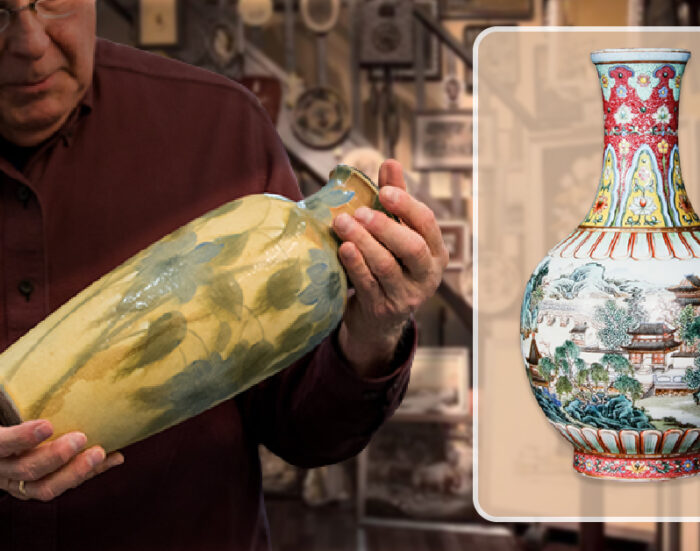
Caring for Your Antiques: Expert Advice
Antique items have a timeless charm that attracts people from all walks of life. These pieces not only serve as a connection to our past but also provide us with a glimpse into the world of craftsmanship and artistry that existed centuries ago. As the antique market continues to grow, an increasing number of individuals are becoming interested in purchasing antique items. This trend is likely due to the timeless charm and historical significance that antique items offer. Many people are drawn to the unique craftsmanship and artistry that is evident in these items, which provide a glimpse into the past. But before you make a purchase, it’s important to understand the importance of finding a trustworthy and experienced antique buyer.
Experience: The Key to Successful Antique Buying
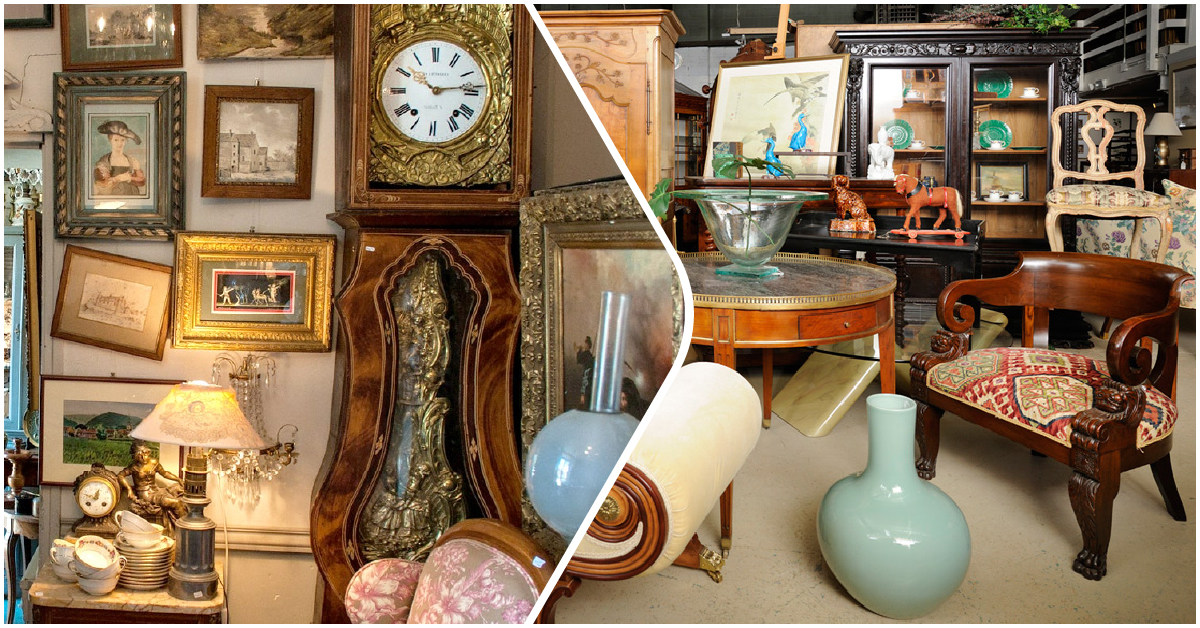
Experienced antique buyers are crucial when buying antiques. Such buyers have acquired knowledge over years of studying the details of antique items, including their history, craftsmanship, and value. With their sharp attention to detail, they can identify subtle differences that others might miss. Thanks to their experience, these buyers can accurately evaluate and price antique items, ensuring that buyers get a fair deal.
Expertise: A Deep Understanding of Antique Items
When searching for an antique buyer, it’s essential to consider their level of expertise. An antique expert possesses a comprehensive understanding of different antique categories, such as art, jewelry, furniture, and collectibles. They can provide you with valuable information on the origin and history of these items, enabling you to make an educated buying decision. Moreover, they can also advise you on how to take care of your antique purchases to ensure they remain in top-notch condition for an extended period.
Authoritativeness: Respected in the Antique Market
Experienced and knowledgeable antique buyers often earn authority in the market. They are respected for their fair and honest assessments of antique items and competitive pricing. This reputation gives buyers confidence in their purchase, as they know they are dealing with a trustworthy dealer who is recognized as an authority in the field.
Trustworthiness: Honesty and Transparency in Dealings
In order to feel confident in your antique purchase, it’s important to find a trustworthy antique buyer. A buyer who values honesty and transparency in their business dealings and takes the time to provide personalized service is someone you can rely on. With their help, you can make informed decisions and receive the assistance you need, whether it’s appraising your current collection or finding the perfect antique piece to add to it. You can trust that they will stand behind their products and prioritize your satisfaction.
Tips for Finding the Right Antique Buyer
To find a reliable antique buyer, you should conduct research to identify potential buyers in your locality and read feedback from previous clients. Seek out dealers who have a successful history of dealing with your type of antique items. It’s also crucial to select a buyer who is willing to collaborate with you and who invests the effort to comprehend your demands and inclinations.
Investing in Antiques: Maximizing Your Returns
To make a smart investment in antique items, conduct thorough market research to identify in-demand items with a history of appreciating in value. Working with an experienced antique buyer can provide valuable guidance and insights to help you make informed investment decisions. They can also help you understand the intricacies of the antique market and provide tips on how to care for and maintain your collection.
Caring for Your Antique Items: Advice from Experts
To keep your antique items in excellent condition, it’s essential to take proper care and maintenance. Collaborate with your antique buyer to develop a plan for storing, cleaning, and protecting your items. They can provide you with professional guidance on how to prevent common mistakes that may harm your items and assist you in creating a personalized plan that suits your specific requirements.
How to Sell Antiques Online: 5 Pro Tips for Making Money from Antiques
Dealing with antiques comes from the previous era, i.e., it was first started in the Renaissance period. But since there were no shops or other options to sell or buy antiques, people used to trade them independently. Previously, these antiques came mainly from Greece and Rome.
Now, it has been spread all over the world, especially in Florida, which has become the largest antique dealer in the industry of trading ancient pieces. Selling antiques has become an easy way for people to make money. People are also opting to sell their pieces through online sources too. The best thing is that these pieces are being sold at the highest price.
The main question that arises here is where to sell antiques near me or online. Who buys antiques near me or online? Should I sell my antiques on the internet or at a local antique shop? If you’ve recently discovered something important in the attic and want to sell it, these are the first few questions that come to mind. Here, we will discuss five useful tips regarding how to sell antiques online:
#1 Website for Selling Antique Collections Online
- Flea markets: Flea markets are also an excellent location to sell your antiquities. Because these markets often only deal with older items like antiques, they might be less time-consuming than charity shops and estate sales.
- Auctioneers: Auction houses are the ones in which dealers and collectors deal by auctioning for the highest price for old items. Selling to the auctioneer online can be a good option. But, also keep in mind that you should have that old piece that holds actual ancient history, plus you should have great information about its condition too. So, that the result will be in your favor, i.e., a win-win outcome.
- Ebay & Etsy Online Store: These platforms spend a lot of money to attract ready-to-buy clients to their sites, which you can then use to generate sales. Online marketplaces often offer higher transaction fees on every sale you make in return for the value. Online market stores may be the best option for selling your belongings to a large number of authorized dealers.
- Digital Stores of Antique Dealers: Where can i sell vintage items near me or online? There are a few trusted antique dealers and traders of antiquities who are willing to buy your pieces by offering expected returns and also offering appraisals through which you can easily learn about your antique history and its worth.
#2 Who are the dependable buyers, and what credentials should they possess?
- A dealer should have perfect knowledge of ancient pieces and their history.
- They should be good and experienced appraisers too.
- Every antique dealer should have a license and be certified by the Gemological Institute of America and have authorized dealer certificates too.
- Their reputation should be very good, i.e., their business should be honest and trustful in the market.
#3 Maintain a clear and descriptive image and information about antiquity.
Before selling your pieces, try to get an HD photo and also add the proper information. so that it will be easy for the buyer to know its real worth, style, and history.
Tips for Taking Photos and Including Descriptions
The best way to take a picture is to click on a white background and flash a light on the piece, which will make it perfectly clear for the buyer to understand all about the old piece. And, the description should include history, dimension, age, usefulness, and condition.
#4 Obtain Information Through Appraisal (Very Important)
It is really very crucial to know about each and every detail of your antiques, so that it will be easy for you to know about their real worth and condition. There should be a proper appraisal of your heirlooms by an experienced appraiser. This will help you to collect proper knowledge. The real question is, where to search for an appraiser? There are too many reputed appraisers in the online world too, who offer and hassle-evaluation services. It would be best for you to be updated about your valuables before selling them.
# 5 Participate in Social Media
Being active on social media like Facebook, Instagram, etc. has also become a main source of business. Many dealers are present socially and are looking for sellers to sell their collections. But before trusting them, do deep research about them and learn about their authorization and honest sales. Thoroughly, look after every credential a dealer should have to deal with antiquities.
Enjoy the Benefits of Honest Heirloom Sales in the Online World!
Simply follow these best ways to sell antiques and you’ll be a part of an easy sale as well as the online world. Get the money you deserve from your possessions without putting in any extra work. Plan the most effective marketing approach and learn everything which is to be known about your antique collection.