


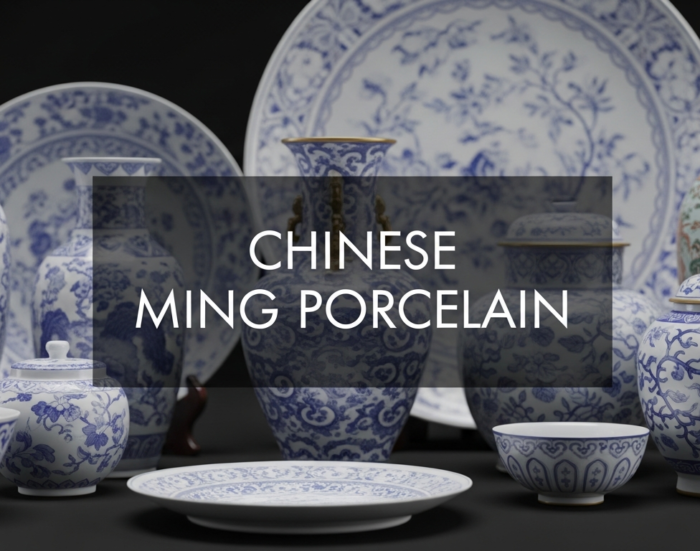
Where can you find the best deals on real Chinese Ming porcelain?
It can be hard to tell real Chinese Ming porcelain from fake. In the last few years, it has become very popular in modern jewelry, home design, and decor. People love old and vintage things, but the market is full of fakes, from cheap tourist copies to very good modern copies. A lot of them look “almost the same,” which makes it hard for people who are new to tell them apart.
Prices can also be completely unique. Some sellers ask museum-level prices for copies, while others don’t really know what they have and still charge a lot. In both cases, it’s very easy for buyers to pay too much without knowing it. An expert must also look at real Ming porcelain because real pieces have certain features, like the texture of the glaze, kiln marks, shape, and style of decoration. It takes experience and, in some cases, even scientific testing to figure out these things.
Real Ming pieces can be found in a lot of different places, like auction houses, specialist dealers, private collections, and online marketplaces, which makes things even more confusing. Because of this, buyers often have a challenging time figuring out which sellers they can really trust.
Can I Buy Ming Porcelain on My Own?
You can try to buy Chinese Ming porcelain on your own, but it’s risky to do so without help. Here’s why you should be careful and what you can do to lower those risks.
1. You might lose a lot of money.
Chinese Ming porcelain is costly, and it’s easy to spend thousands on a fake without expert help, especially since high-quality copies look a lot like real pieces.
What you can do: Before you buy, compare prices from several well-known dealers or auction houses, look up similar items, and don’t buy things on a whim from sellers you don’t know.
2. Your money could lose all its value.
Fake items don’t sell for much, if anything. When you try to sell them, professional appraisers will quickly see that they are copies, and you may not get anything back.
What you can do: Before you buy something that costs a lot of money, get an independent appraisal or at least a second opinion from an expert in Asian ceramics.
3. You might miss out on things that are really worth a lot.
Fear of scams can also prevent you from acquiring genuine treasures at reasonable prices. A lot of collectors miss out on great chances because they don’t know what to look for.
You can do this: Learn the basic signs of real Ming porcelain, like the quality of the glaze, the style of painting, the kiln marks, and where it came from. While you’re still learning, start by buying from reputable dealers or auction houses.
How to Buy Real Chinese Ming Porcelain [Real Life]
Here’s how collectors and dealers really buy real Ming porcelain today, if you’re serious about it.
1. Begin with antique dealers you can trust.
In real life, most safe purchases start with experienced dealers in Asian art who look at things like glaze tone, brushwork, kiln marks, shape, and natural age wear—small details that are almost impossible for beginners to judge correctly. A reliable dealer will let you touch or closely inspect the item (or give you obvious, close-up photos if you are buying online), tell you where it came from (provenance), how they got it, and put their reputation behind it, usually with a written invoice that says “Ming dynasty” or a certificate of authenticity.
You can usually find these dealers through long-established antique galleries, recognized dealer associations, specialist trade fairs, and Asian art shops in big cities or at big antique shows. These places have built up their reputations over time and are more accountable.
2. Use big auction houses for important items.
Serious buyers of more expensive Ming porcelain often go to big auction houses because their in-house experts carefully check items before they are listed. There is a written description, price estimate, and condition report for each lot. The final hammer price is a “market-tested” value that shows what collectors are eager to pay. In this setting, being open and having specialized knowledge greatly lowers the chance of buying fake or misattributed items compared to informal or unvetted channels.
In real life, a smart buyer will look through the online catalog weeks before the sale to make a list of the best items. Then, they will either attend the viewing days or request more photos and condition reports to see any cracks, repairs, or other quality issues before bidding. Setting a maximum bid for each item ahead of time and sticking to it during the auction is also common. This procedure helps you avoid spending too much because of emotions and keeps the purchase in line with current market levels and your own budget.
3. Be extra careful when using online marketplaces.
Fakes are mostly sold online, but there are also some really good pieces there. The key is to choose carefully. Most fake items are sold online, but there are also some really good ones there. The key is to be careful when you choose.
Here are some things to keep in mind when using online marketplaces to protect your investment:
- Look at the seller. Check out the seller’s reputation and history before you buy. Check out what other people have said about the product. It is usually safer to buy from established sellers who have a history of making real sales.
- Ask for Clear Pictures Always ask for high-quality pictures of the piece from different angles. Look closely at the glaze, markings, and any flaws or areas of concern.
- Know the Return Policies Be aware of the marketplace’s and the seller’s return policies. Ensure a buyer protection plan allows returns if the item is a copy or not as described.
- Follow Your Gut If something seems wrong, like the prices, the way the seller talks, or the pictures, trust your gut. It’s better to walk away from a deal than to make a mistake that costs you money.
- Think about getting a third party to check it out. Some websites offer services that verify your identity. If you can, think about using these services to make sure the piece is real before you buy it.
You can increase your chances of getting a real piece of Chinese Ming porcelain without getting scammed by being careful and learning as much as you can. Being well-informed is the best way to avoid making expensive mistakes when you go to auction houses, trusted dealers, or online marketplaces. Have fun collecting!
