


Local Antique Appraisers: How to Find a Reputable Antique Appraiser near Me?
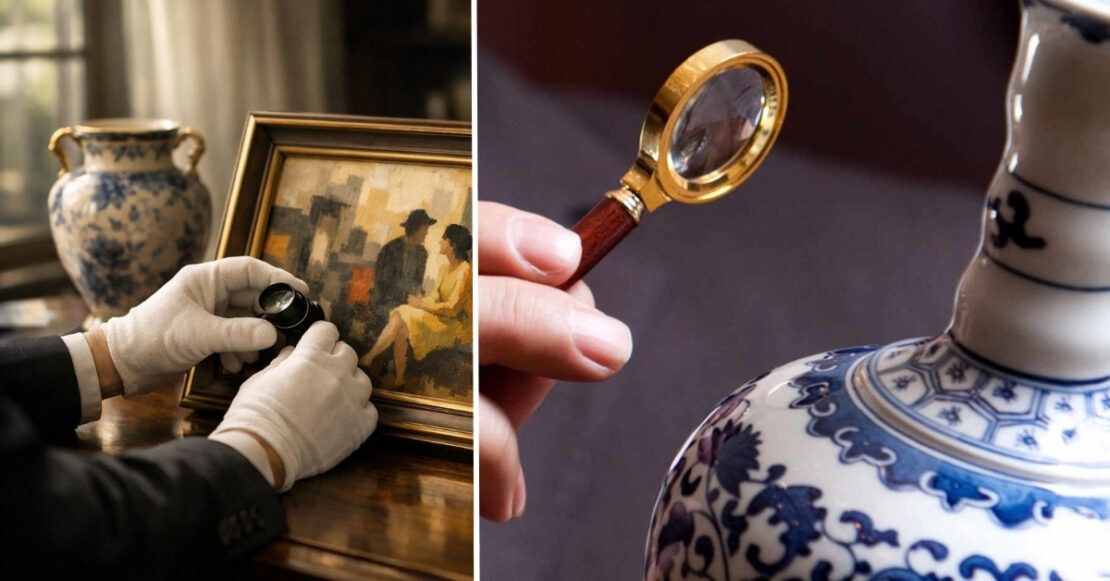
If you own an antique, knowing its true value is very important. Whether you plan to sell it, insure it, or simply learn more about your collectible, a proper appraisal makes all the difference. An accurate valuation helps you avoid confusion and low offers. While finding the right expert can feel challenging, choosing a trusted local antique appraiser makes the process easier and more reliable. Below are some simple and effective ways to find reputable antique appraisers near you.
1. Attend Local Appraisal Fairs
Antique appraisal fairs are excellent venues to meet knowledgeable professionals. These events are often hosted by local antique shops, museums, or community organizations, where appraisers offer free or discounted evaluations. By attending such fairs, you can meet appraisers face-to-face, ask questions about your item, and receive an on-the-spot estimate of its value.
Besides receiving an appraisal, fairs are also a great opportunity to network with dealers and collectors. If you plan to sell, these contacts might be helpful when finding potential buyers.
Related Blog: Selling Gold and Silver: 4 Rules for Dealing with Antique Buyers
2. Search for Appraisers Online
In today’s digital age, many reputable antique appraisers have a solid online presence. Websites such as Yelp, Google Reviews, and professional organizations (such as the International Society of Appraisers) can help you find certified appraisers with excellent track records. Be sure to read reviews, check their credentials, and explore any feedback from previous customers to get an idea of their reputation.
Online Platforms to Explore:
- ISA (International Society of Appraisers): An association with certified members, providing a directory of appraisers in various regions.
- NAJA (National Association of Jewelry Appraisers): A reputable platform for finding appraisers focused on jewelry and other high-value collectibles.
- Online Antique Communities: Websites such as Reddit or specialized antique forums often have recommendations for trustworthy appraisers in your area.
In some cases, you can send detailed photographs to an appraiser online and receive a preliminary valuation, although a physical inspection is usually necessary for a formal appraisal.
3. Contact Reputable Antique Buyers
Antique buyers often work with in-house appraisers or have long-standing relationships with independent experts. These buyers have extensive knowledge and can quickly assess an item’s value based on its historical significance, rarity, and condition. Trusted antique dealers, auction houses, and collectors are also valuable resources when looking for reputable appraisers. They can offer guidance on appraisers they have worked with before.
Some renowned auction houses like Sotheby’s or Christie’s have in-house appraisal services. These institutions handle high-end antique sales and can provide more formal and widely accepted appraisals, particularly for rare or high-value items.
4. Ask for Recommendations
Another way to find a reputable antique appraiser is through word of mouth. If you know people who collect or deal in antiques, ask them about their experiences with local appraisers. Personal recommendations from people you trust can be one of the most reliable ways to find an experienced and trustworthy appraiser.
Important Tips to Consider When Choosing an Appraiser
Antiques are valuable both financially and sentimentally, so ensuring a proper appraisal is important. Keep the following tips in mind to help you select a reliable appraiser:
- Check for Credentials: Look for certifications from well-known organizations like the International Society of Appraisers (ISA), Appraisers Association of America (AAA), or the American Society of Appraisers (ASA). These organizations require their members to follow strict ethical standards and ensure a high level of expertise.
- Experience is Key: Work with antique appraisers who have significant experience in the specific category of items you need appraised (e.g., furniture, artwork, jewelry). Ask how long they’ve been in the business and what types of items they specialize in.
- Avoid Rushed Decisions: Be wary of appraisers or dealers who rush the process or seem overly eager to make a quick deal. A reputable appraiser will take the time to thoroughly inspect your item and provide a detailed, written evaluation.
- Get a Written Appraisal: Always request a written report that details the appraisal process and the item’s value. This documentation is essential for insurance purposes, estate planning, or resale value.
Conclusion
Finding a trusted local antique appraiser may take a little time, but it’s essential for knowing the true value of your antiques. By using appraisal fairs, online research, and recommendations from dealers or collectors, you can confidently choose the expert. A qualified local antique appraiser helps you get an accurate valuation, avoid costly mistakes, and make informed decisions when buying, selling, or insuring your treasured items.
